×
- Hello
- Login or Register
- Quick Links
- Live Chat
- Track Order
- Parts Availability
- RMA
- Help Center
- Contact Us
- Shop for
- Honda Parts
- Honda Accessories

My Garage
My Account
Cart
This part fits
2009 Honda Fit (VIN: JHMGE88489S064566) 5 Door SPORT (SUZUKA PLANT); KA 5AT
Check another vehicle- Mfg.Origin: JPN
Honda 19012-PD2-004 Gasket, Drain (Toyo)
1984-2026 Honda 19012PD2004
Customer Questions & Expert Answers (2)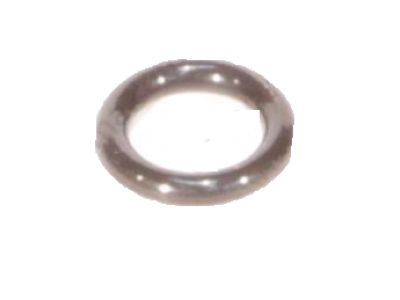
- Part DescriptionDrain Plug Gasket
- Replaces
- ManufacturerHonda
This part fits
2009 Honda Fit (VIN: JHMGE88489S064566) 5 Door SPORT (SUZUKA PLANT); KA 5AT
Check another vehicle- Mfg.Origin: JPN
$3.23 MSRP: $4.60
You Save: $1.37 (30%)
1
- Related Parts
- Specifications
- Q&A
Product Specifications
Brand Genuine Honda Manufacturer Part Number 19012-PD2-004 Part Description Drain Plug Gasket Other Names Drain Plug Seal, Drain Tube O-Ring, Radiator Cap Item Dimensions 0.4 x 0.4 x 0.1 inches Item Weight 0.10 Pounds Condition New Fitment Type Direct Replacement Replaces 19012-PV0-005 Manufacturer Honda SKU 19012-PD2-004 Warranty This genuine Honda part is guaranteed by Honda's factory warranty. Shipping & Return Shipping Policy Return Policy Warning: California's Proposition 65Customer Questions & Expert Answers
- Q:Does this fit my car? Posted by HondaPartsNow Specialist
- A:You can Select Your Vehicle to check if 19012-PD2-004 fits your vehicle.Posted by HondaPartsNow Specialist
- Installation and Repair Tips by AI Expert
- Removal steps 1. Park on level ground, set the parking brake, chock wheels, and wear eye protection and gloves. 2. If work will disturb nearby sensors or electrical connectors, disconnect the negative battery terminal first; otherwise battery disconnect is typically not required. 3. Raise and support the vehicle with jack stands or use ramps if needed to gain safe access. 4. Position an appropriate drain pan under the drain plug area. 5. Clean the area around the drain plug to keep debris out of the fluid. 6. Loosen the drain plug with the correct tool and remove it carefully so the washer and fluid drain into the pan. 7. Remove and discard the old washer; inspect the drain plug and surrounding area for damage or metal particles. 8. Allow fluid to drain until it slows, then wipe the mating surfaces clean before reinstalling anything. Installation steps 1. Confirm you have the correct replacement washer type (crush/metal/plastic) for the application; many washers are single-use. 2. Clean the drain plug threads and the mating surface on the pan before fitting the new washer. 3. Fit the new washer onto the drain plug and start the plug by hand to avoid cross-threading. 4. Tighten the drain plug snugly with the proper tool; do not overtighten and consult the factory torque spec if available. 5. Refill the system to the correct fluid type and level for the component serviced. 6. Lower the vehicle, reconnect the negative battery terminal if you previously disconnected it, then start the engine and check for leaks around the drain plug. 7. After a short run and cool down, recheck the fluid level and inspect the plug area again; if any looseness is found, tighten per manufacturer guidance. Repair tip: Always replace the washer whenever the drain plug is removed and keep used fluid for proper recycling or disposal.
- Q:
Why choose Honda Parts Now
- Dedicated Service
Your complete satisfaction is our #1 goal
- Lowest Prices
Best deals on genuine OE parts from dealerships
- Fast Delivery
Orders are processed and delivered promptly