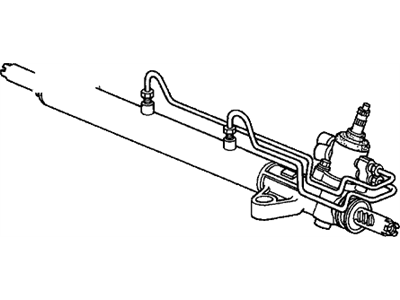
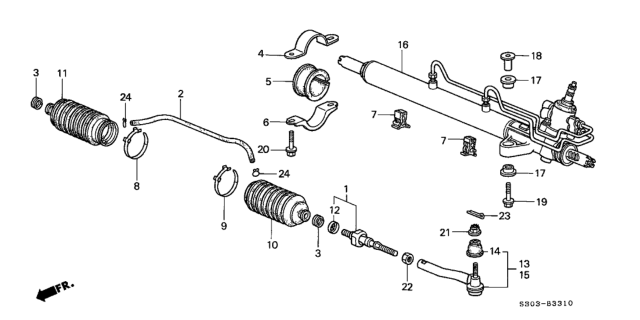
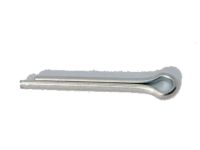
Break down the power steering system removal steps into two phases: disconnect the intake hose, and guide a tube into the hose, leading it to a drain container. Turn the steering wheel all the way in both directions while the engine is idling to let fluid drain out before shutting the engine off. First, put the front wheels directly forward with the locking steering column engaged, then attach the hose to the fluid reservoir again. First get a wrench to take off the battery lead, then take out the steering joint cover. Lastly, loosen the bolts holding up the upper and lower steering joints. Lift up the car and remove the front wheels. First, take out the small pins from the tie rod ends. Then, undo the castle nuts that keep the tie rod attached to the steering knuckle. When taking the tie rods apart, cover the threads of the ball joint stud with a 12 mm nut before using a fitting tool to detach the tie rod ends from the steering knuckles. We begin by taking off the heating unit for oxygen sensors. Next, we use special nuts to free the catalytic converter from the exhaust pipe, then arc off the exhaust pipe where it links to the intake valve section. When driving automatic-transaxle cars, take these steps to remove the shift cable from its cover. Wash out the valve body, detach the center beam of the subframe, and remove the valve body guard. Twist off the four hydraulic lines connected to the rack valve body with a flare nut wrench, and then unthread and remove the steering joint's bolt. Move the pinion shaft out of its housing. Unbolt the left and right brackets, left tie rod, and carefully drop the steering rack to pull free from the pinion shaft. After moving the steering rack all the way right, move it down and push it forward so it passes the subframe and falls out through the bottom of your car. Change all exhaust pipe gaskets and use self-locking nuts when installing, then place the steering rack and pinion shaft grommet. Take the mounting brackets and tighten all bolts according to required specifications. Put the rack ends in the center and position the air bag cable reel, then place the pinion shaft directly onto its splines until they fully fit. Join up and seal the hydraulic tubes correctly. Use the recommended torque when tightening each connection point. Also place the valve body cover and center board back on, this time bolted down with newly installed self-sealing screws. Hook up the shift cable again after replacing the automatic transaxle parts, put the new gaskets on the catalytic converter, and plug in the Heated Oxygen Sensor. Put the rack ends into tie rod ends, fit them with their knuckle parts, and bring the front wheels into place. Make sure the rack is straight down the middle, lower the car, and then put on the steering joint cap. Reconnect everything by tightening the castle nuts for the ball joint and putting the battery cable back in. Reattach the inlet line of the power steering reservoir, add Honda's own power steering fluid, let the engine run and steer while moving the wheels to remove air pockets, check fluid amount, then look for any leaks in the power steering system. Complete your service by checking and correcting the front wheel alignment.