×
- Hello
- Login or Register
- Quick Links
- Live Chat
- Track Order
- Parts Availability
- RMA
- Help Center
- Contact Us
- Shop for
- Honda Parts
- Honda Accessories

My Garage
My Account
Cart
This part fits
2015 Honda Accord (VIN: 1HGCR2F56FA139880) 4 Door SPORT
Check another vehicle- Mfg.Origin: USA
Honda 25420-5LJ-003 Strainer Assembly (Cvt)
2015-2021 Honda 254205LJ003
Customer Questions & Expert Answers (7)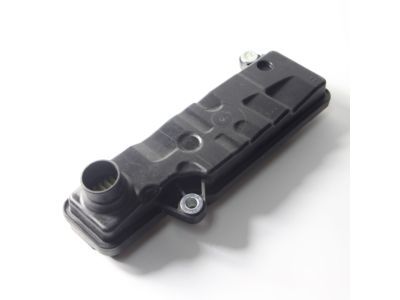
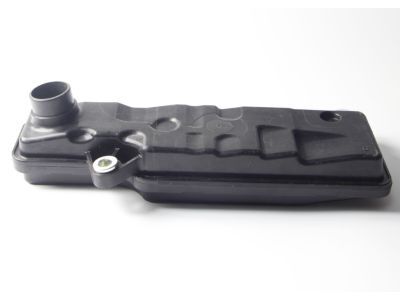
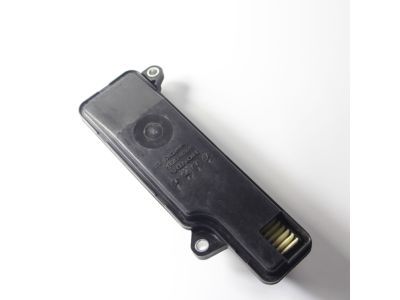
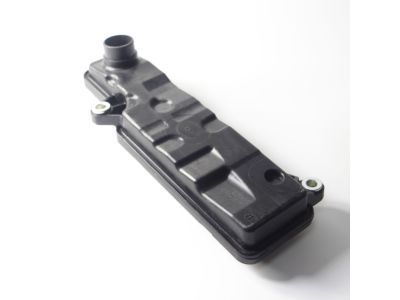
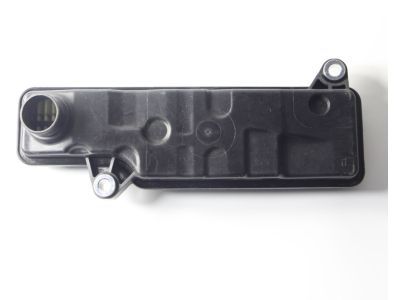
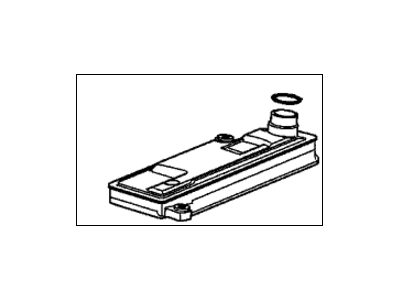
- Part DescriptionFilter
- ManufacturerHonda
This part fits
2015 Honda Accord (VIN: 1HGCR2F56FA139880) 4 Door SPORT
Check another vehicle- Mfg.Origin: USA
$22.51 MSRP: $32.06
You Save: $9.55 (30%)
1
- Related Parts
- Specifications
- Q&A
Product Specifications
Brand Genuine Honda Manufacturer Part Number 25420-5LJ-003 Part Description Filter Item Dimensions 7.3 x 5.2 x 2.7 inches Item Weight 0.50 Pounds Condition New Fitment Type Direct Replacement Manufacturer Honda SKU 25420-5LJ-003 Warranty This genuine Honda part is guaranteed by Honda's factory warranty. Shipping & Return Shipping Policy Return Policy Warning: California's Proposition 65Customer Questions & Expert Answers
- Q:I just wanted to verify fitment prior to ordering part Posted by HondaPartsNow Specialist
- A:You can Select Your Vehicle to check if 25420-5LJ-003 fits your vehicle.Posted by HondaPartsNow Specialist
- Installation and Repair Tips by AI Expert
- Removal steps 1. Park the vehicle on a level surface, engage the parking brake, chock the wheels and wear safety glasses and gloves. 2. Disconnect the negative battery terminal and isolate any related electrical connectors if needed. 3. Raise and support the vehicle securely on jack stands if undercarriage access is required; follow safe lifting practices. 4. Position a suitable drain pan under the transmission and protect surrounding areas from spills. 5. If the transmission has a drain plug, remove it to drain fluid; if not, loosen the transmission pan fasteners gradually and allow fluid to drain-be prepared for a sudden flow. 6. Lower and remove the pan once fluid flow is controlled and set the pan aside; catch remaining fluid and note any heavy metal or debris. 7. Remove the transmission filter-filters are commonly held by screws, clips, or a press fit; if the design differs, follow the applicable removal method. 8. Inspect the filter mounting area and pan magnet(s) for metal particles and clean the pan and magnet surfaces. 9. Clean the mating surface thoroughly, removing old gasket material and debris; inspect for damage before installing new parts. Installation steps 1. Fit the new transmission filter in the correct orientation and secure it using the appropriate fasteners or retention method specified by the design. 2. Install a new pan gasket or apply sealant as required by the design; ensure the gasket/sealant is properly positioned and the mating surface is clean. 3. Reinstall the transmission pan and tighten the fasteners evenly in stages to seat the gasket; follow the manufacturer's tightening sequence and specification if available. 4. Reinstall any drain plug with a new washer if applicable. 5. Lower the vehicle to the ground and reconnect the negative battery terminal. 6. Refill the transmission with the correct type and initial quantity of fluid using the proper fill point or procedure for the vehicle. 7. Start the engine, with the parking brake applied, and shift slowly through all gears to circulate fluid; check for leaks around the pan and filter area. 8. Bring the engine/transmission to operating temperature, then with the vehicle level, check and adjust the fluid level according to the manufacturer's procedure. 9. Perform a short road test, recheck for leaks and verify the final fluid level again after the drive. 10. Dispose of used transmission fluid and contaminated materials in accordance with local regulations. Repair tip: Always replace the pan gasket and filter together, clean the pan magnet for metal contamination, and keep a small sample of debris if you suspect internal wear.
- Q:Hello, I need to change the transmission filter in my 2016 CRV. I was wondering why 2 different looking filters show up as the replacement. A plastic one, and a paper filament one. Any help is appreciated, thank you.. Posted by Customer: 2016 Honda CR-V
- A:The transmission has two filters. 25420-5LJ-003 is the main filter, 25450-P4V-013 is the filter for the warmer. The pan gasket for the main filter is 21814-RJ2-003, the orings for the warmer filter are 91305-PN4-003, 25564-5LJ-A01, 25565-5LJ-A01Posted by HondaPartsNow Specialist 3/10/2025
- Q:In the IPB, part 91308-5LJ-003 (O-ring), views coming with Strainer Assembly, 25420-5LJ-003. Can you verify it physically comes with O-ring in package? Posted by Customer: 2019 Honda CR-V
- A:According to the Honda catalog, yes it looks like the o-ring comes with the strainer.Posted by HondaPartsNow Specialist 16/5/2024
- Q:Does this part include the o-ring (91308-5LJ-003) currently unavaileble? Posted by Customer: 2016 Honda Civic
- A:YES IT DOESPosted by HondaPartsNow Specialist 8/3/2024
- Q:Does the O-Ring come with this item? Posted by Customer: 2020 Honda Civic
- A:25420-5T0-003 does come with the oring- 25420-5LJ-003 is the oring.Posted by HondaPartsNow Specialist 12/1/2024
- Q:ordered this and 25450-P4V-013 filters from you and received. Are there any gaskets,seals,o-rings that are needed for correct installation of these filters? Posted by Customer: 2019 Honda Accord
- A:please refer to technician for installation needsPosted by HondaPartsNow Specialist 24/2/2022
- Q:
Why choose Honda Parts Now
- Dedicated Service
Your complete satisfaction is our #1 goal
- Lowest Prices
Best deals on genuine OE parts from dealerships
- Fast Delivery
Orders are processed and delivered promptly