×
- Hello
- Login or Register
- Quick Links
- Live Chat
- Track Order
- Parts Availability
- RMA
- Help Center
- Contact Us
- Shop for
- Honda Parts
- Honda Accessories

My Garage
My Account
Cart
Genuine Honda Civic Brake Booster
Brake Power Booster- Select Vehicle by Model
- Select Vehicle by VIN
Select Vehicle by Model
orMake
Model
Year
Select Vehicle by VIN
For the most accurate results, select vehicle by your VIN (Vehicle Identification Number).
45 Brake Boosters found
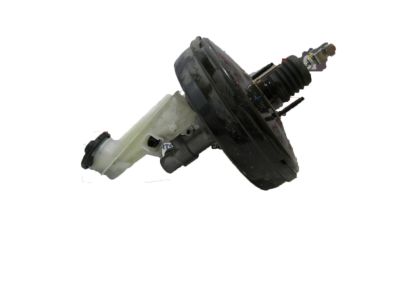
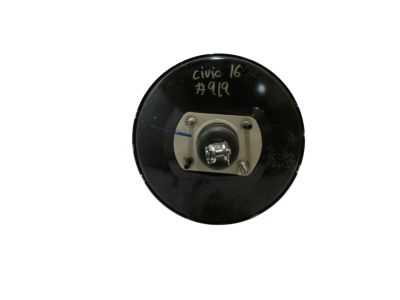
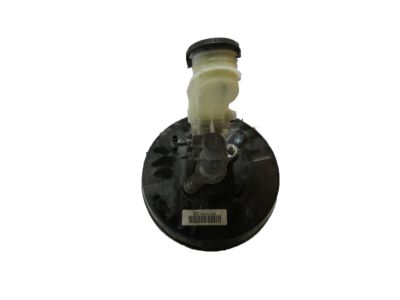
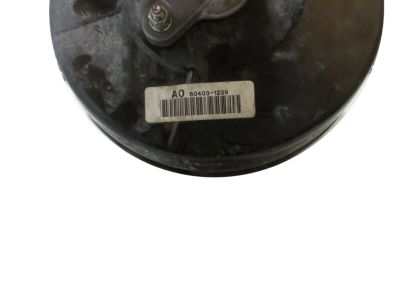
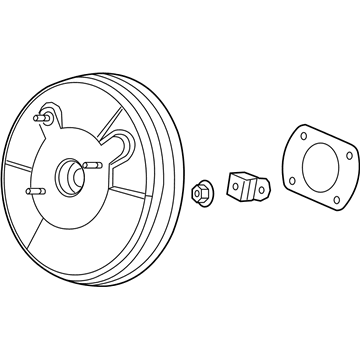
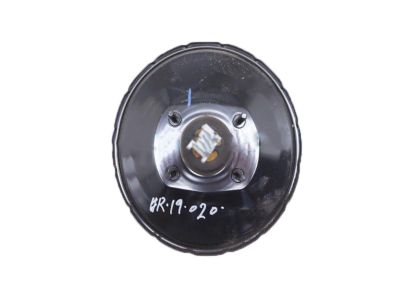
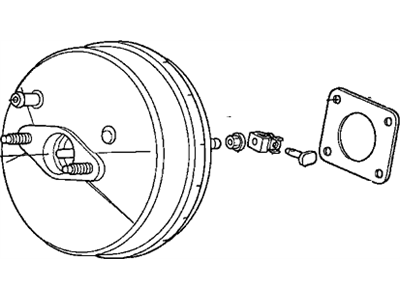
Honda Civic Power Set, Master (9")
Part Number: 01469-SNB-G00$455.40 MSRP: $665.77You Save: $210.37 (32%)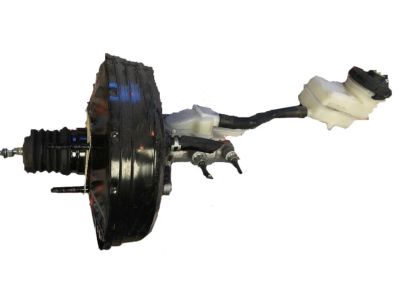
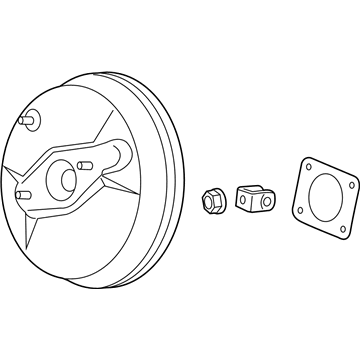
Honda Civic Power Set, Master (9")
Part Number: 01469-TR3-A50$109.95 MSRP: $155.30You Save: $45.35 (30%)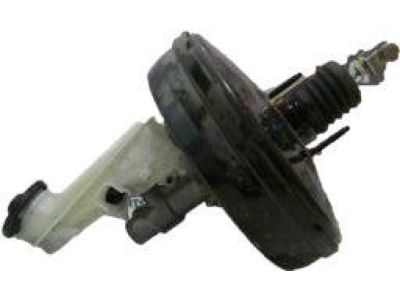
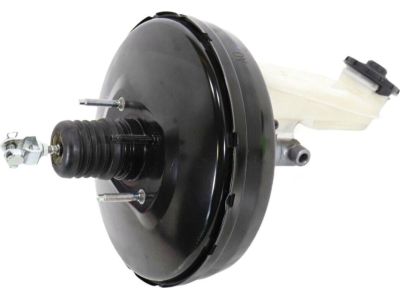
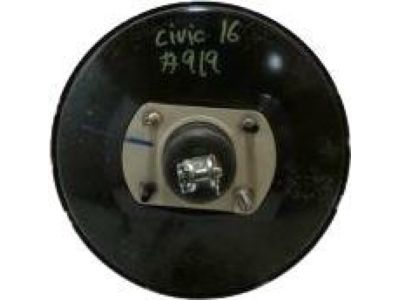
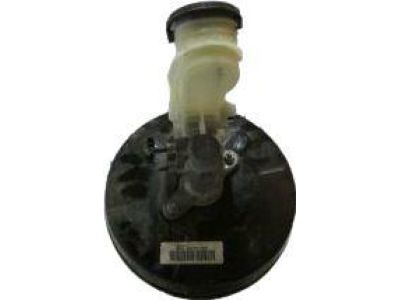
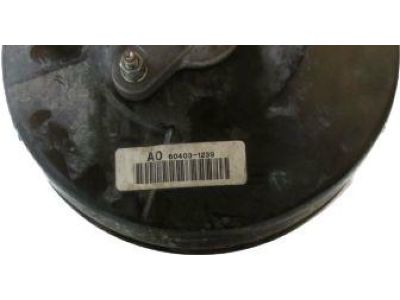
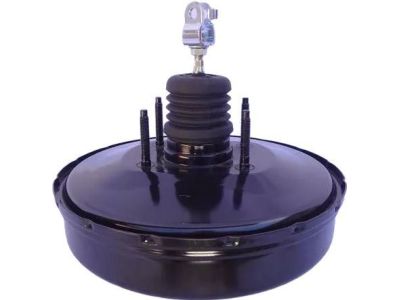
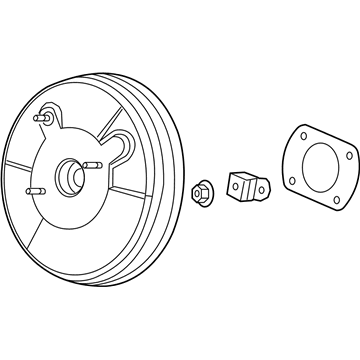
Honda Civic Power Set, Master (10")
Part Number: 01469-TEM-M00$599.86 MSRP: $876.98You Save: $277.12 (32%)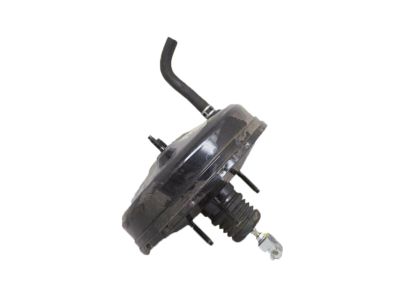
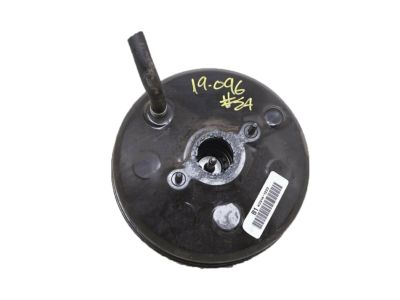
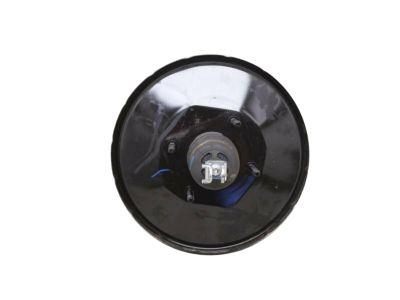
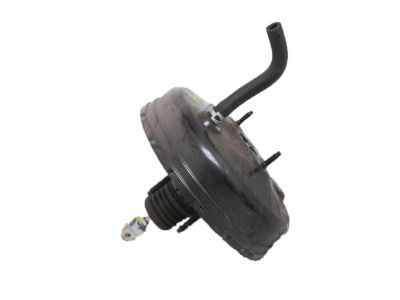
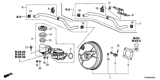
Honda Civic Power Set, Master
Part Number: 01469-TR3-A01$477.64 MSRP: $698.30You Save: $220.66 (32%)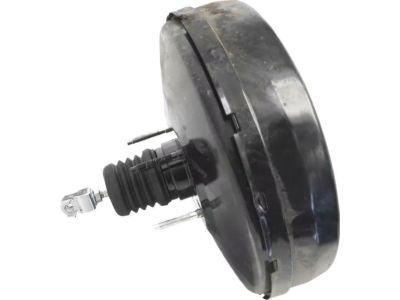
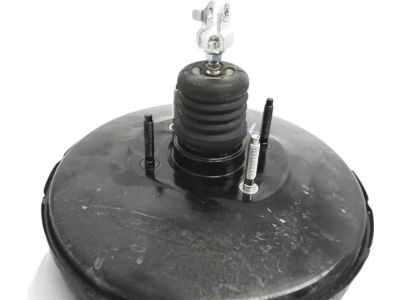
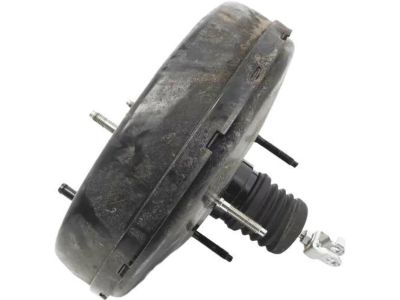
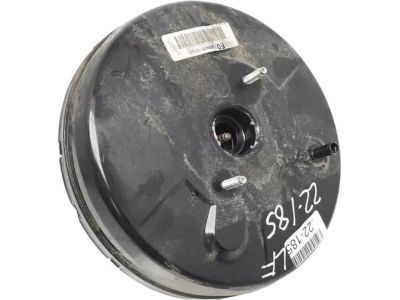
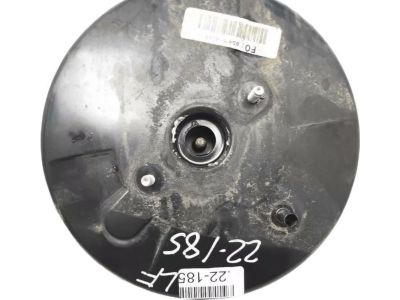
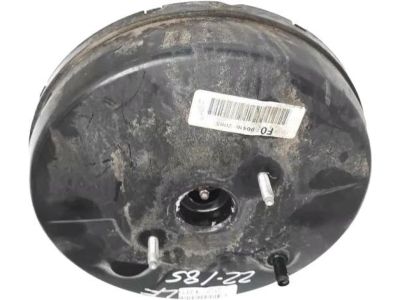
Honda Civic Power Set, Master (10")
Part Number: 01469-TBF-A00$129.05 MSRP: $187.04You Save: $57.99 (31%)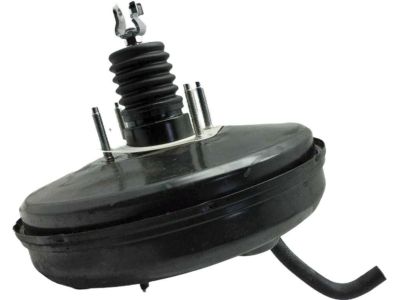
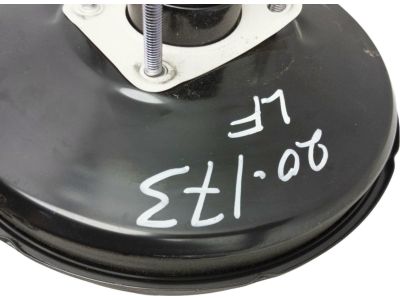
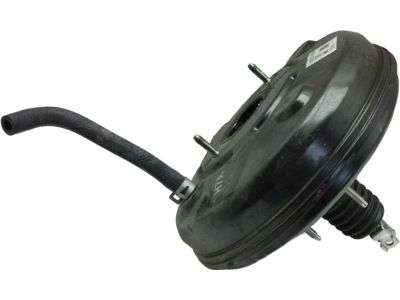
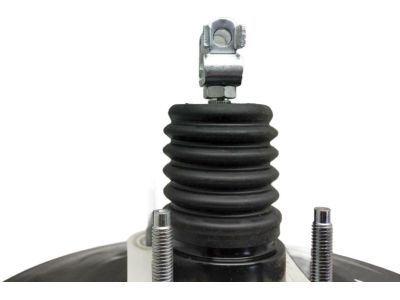
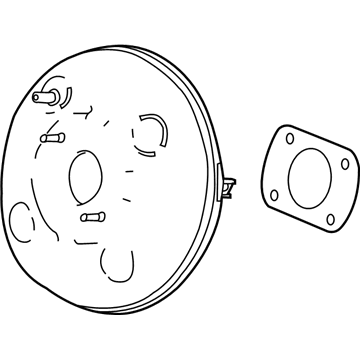
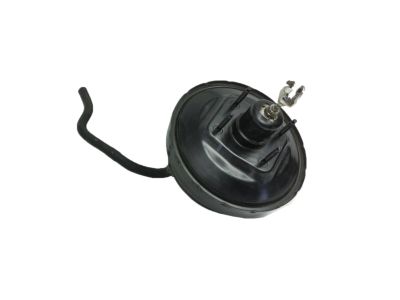
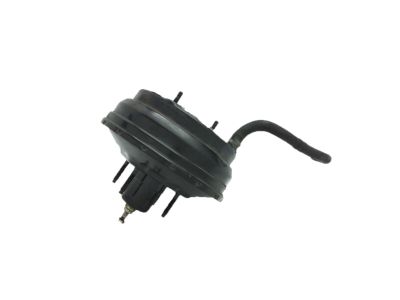
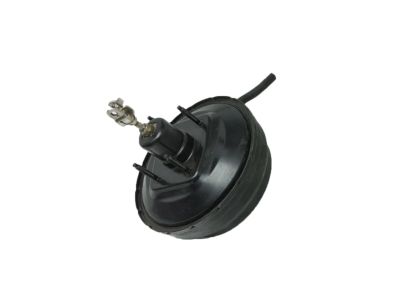
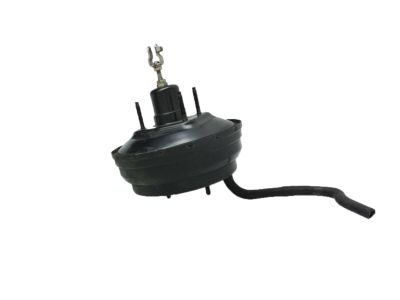
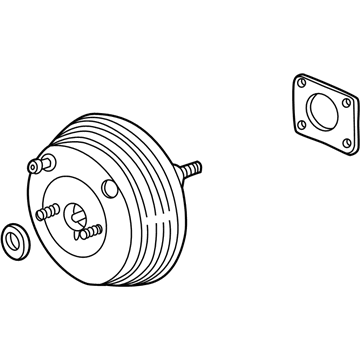
Honda Civic Power Set, Master (7"+8")
Part Number: 01469-S5D-A00$429.29 MSRP: $627.63You Save: $198.34 (32%)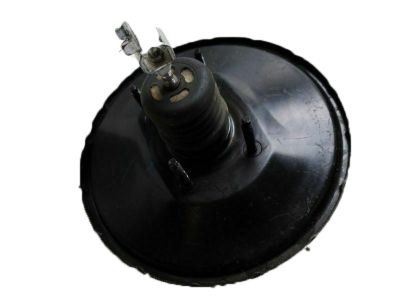
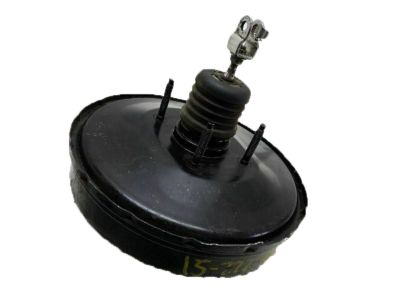
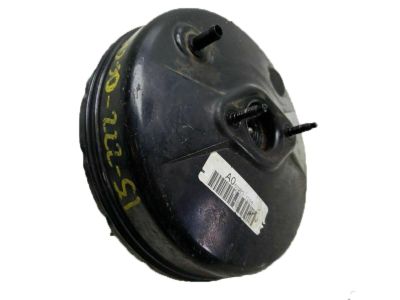
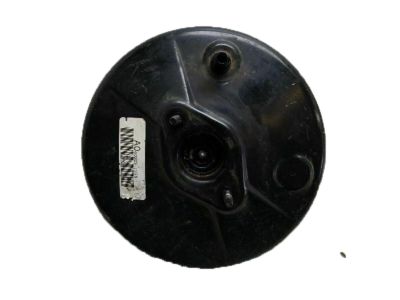
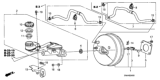
Honda Civic Power Set, Master (9")
Part Number: 01469-SNA-A00$455.40 MSRP: $665.77You Save: $210.37 (32%)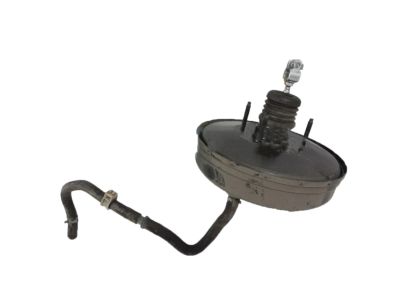
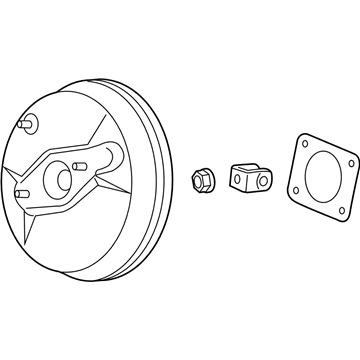
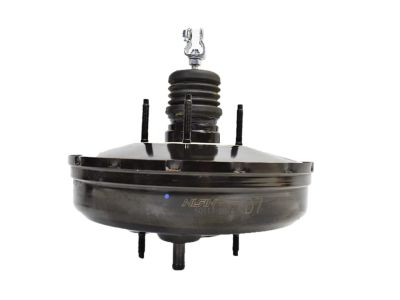
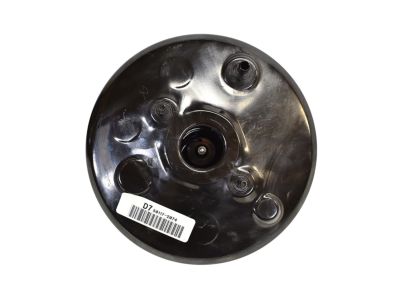
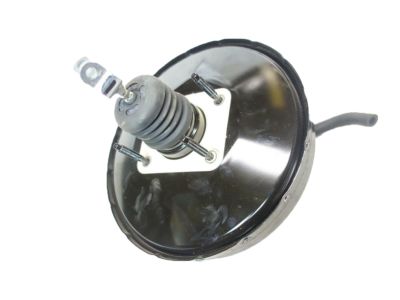
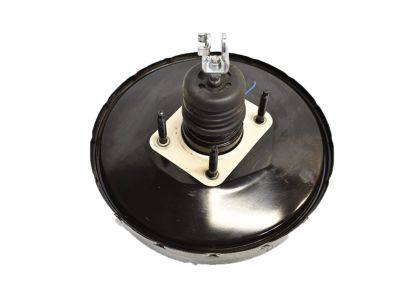
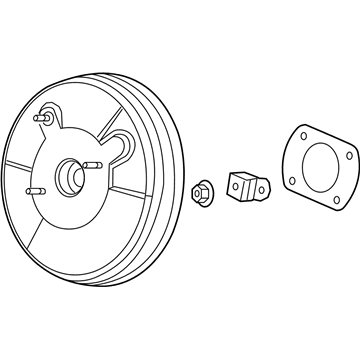
Honda Civic Power Set, Master (10")
Part Number: 01469-TED-P00$183.61 MSRP: $266.11You Save: $82.50 (31%)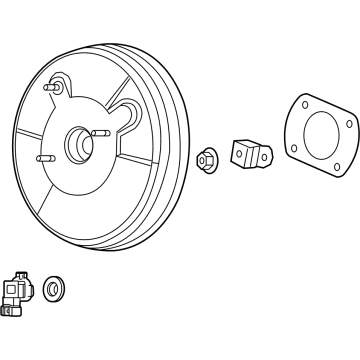
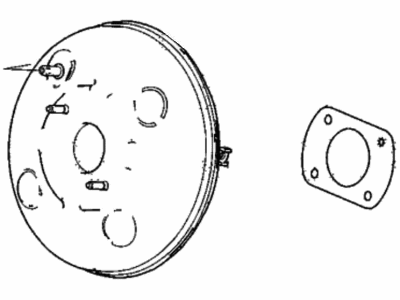
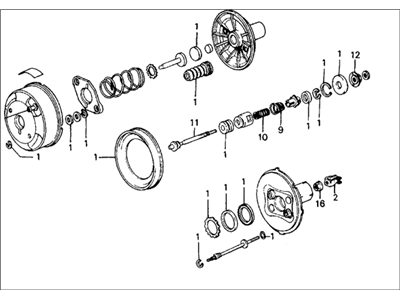
Honda Civic Power Assembly, Master (8")
Part Number: 46400-SH3-931$279.93 MSRP: $405.71You Save: $125.78 (31%)Honda Civic Power Set, Master
Part Number: 01469-TR0-A01$712.61 MSRP: $1041.83You Save: $329.22 (32%)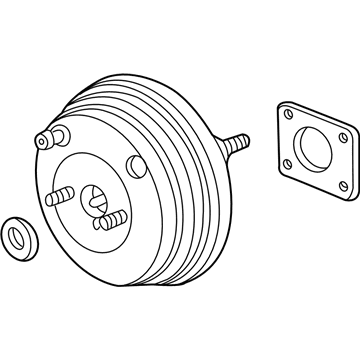
Honda Civic Power Set, Master (7"+8")
Part Number: 01469-S5B-A50$842.06 MSRP: $1231.08You Save: $389.02 (32%)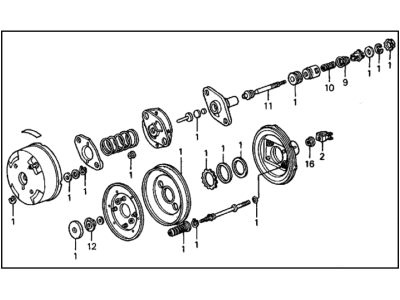
Honda Civic Power Assembly, Master (9")
Part Number: 46400-SD2-A03$311.77 MSRP: $455.81You Save: $144.04 (32%)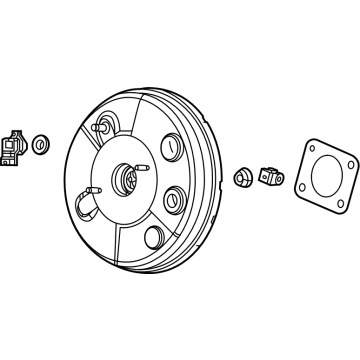

| Page 1 of 3 |Next >
1-20 of 45 Results
Honda Civic Brake Booster
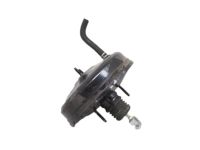
Brake Booster in Honda Civic cars is an important component in improving the operation of the brakes as it more less the amount of force applied to the brake pedal to trigger the brake operation. Thanks to the vacuum chamber, the force that is required from the driver to stop the vehicle is amplified by the Brake Booster, which in turn makes it easier and more efficient to stop the car. The hydraulic vacuum servo, also called the Brake Booster in the US, works only when the engine in engaged, and can only make several assisting movements in the absence of the engine. Although there are different generations of the Civic and different years and decades of production, the general description of Brake Booster design or style might somewhat differ, but essentially, each of them is aimed at increasing the force exerted by the driver for the purpose of smooth and efficient braking.
In search of affordable OEM Honda Civic Brake Booster? Consider browsing through our extensive inventory of genuine Honda Civic Brake Booster. Not only do we provide market-leading prices and a manufacturer's warranty, but we also pride ourselves on exceptional customer service and swift delivery.
Honda Civic Brake Booster Parts Questions & Experts Answers
- Q:How to remove and install a Power Brake Booster Unit on Honda Civic?A:Without starting the engine, push the brake pedal several times. Check if your foot needs the same space each time. Running the engine and pushing the pedal should move it just a little. That means everything is working properly. Begin with the engine off, wait one or two minutes, and then slowly press the brake pedal a few times. If the pedal traveled down far the first sequence but came back up over the following presses, that confirms a fully sealed booster. To check if the booster is airtight while driving, step on the brake pedal until you run out of reserve, then let go of the engine. If the brake pedal still takes up the same amount of distance after keeping pressure on it for 30 seconds, the booster stays sealed. We can't take a power brake booster apart because it's too complicated and too important to how brakes work; the right thing to do is get a brand new or worked-on replacement for the faulty unit. Take off the Brake Master Cylinder, cut the hose that runs from the engine to the booster, be sure to handle it well so you don't damage it, and pull out the Brake Lines from the clamp on the car's front end. Remove the clevis pin's clip and pin from where it connects the brake booster to the pedal. Then remove the pushrod clevis from the pedal itself. Slide the booster straight out from the firewall by unbolt the four nuts holding it there, then gently pull the booster, brackets, and gaskets from the engine bay. To install the booster, just do the opposite of taking it out first - tighten all mounting nuts and replace the clevis pin with a fresh cotter pin. Connect and bugcheck the master cylinder first, then finish checking and feeding pressure into the entire brake system. Regulate the brake pedal height and freeplay and make corrections when needed.
Related Honda Civic Parts
 Honda Civic Brake Disc
 Honda Civic Brake Proportioning Valve
 Honda Civic Brake Light Switch
 Honda Civic Brake Line
 Honda Civic Brake Caliper
 Honda Civic Brake Master Cylinder
 Honda Civic Brake Backing Plate
 Honda Civic Brake Drum
 Honda Civic Brake Fluid Pump
Browse by Year
2026 Brake Booster 2025 Brake Booster 2024 Brake Booster 2023 Brake Booster 2022 Brake Booster 2021 Brake Booster 2020 Brake Booster 2019 Brake Booster 2018 Brake Booster 2017 Brake Booster 2016 Brake Booster 2015 Brake Booster 2014 Brake Booster 2013 Brake Booster 2012 Brake Booster 2011 Brake Booster 2010 Brake Booster 2009 Brake Booster 2008 Brake Booster 2007 Brake Booster 2006 Brake Booster 2005 Brake Booster 2004 Brake Booster 2003 Brake Booster 2002 Brake Booster 2001 Brake Booster 2000 Brake Booster 1999 Brake Booster 1998 Brake Booster 1997 Brake Booster 1996 Brake Booster 1995 Brake Booster 1994 Brake Booster 1993 Brake Booster 1992 Brake Booster 1991 Brake Booster 1990 Brake Booster 1989 Brake Booster 1988 Brake Booster 1987 Brake Booster 1986 Brake Booster 1985 Brake Booster 1984 Brake Booster 1979 Brake Booster 1978 Brake Booster 1977 Brake Booster 1976 Brake Booster 1975 Brake Booster 1974 Brake Booster 1973 Brake Booster