×
- Hello
- Login or Register
- Quick Links
- Live Chat
- Track Order
- Parts Availability
- RMA
- Help Center
- Contact Us
- Shop for
- Honda Parts
- Honda Accessories

My Garage
My Account
Cart
Genuine Honda Odyssey Brake Master Cylinder
- Select Vehicle by Model
- Select Vehicle by VIN
Select Vehicle by Model
orMake
Model
Year
Select Vehicle by VIN
For the most accurate results, select vehicle by your VIN (Vehicle Identification Number).
8 Brake Master Cylinders found
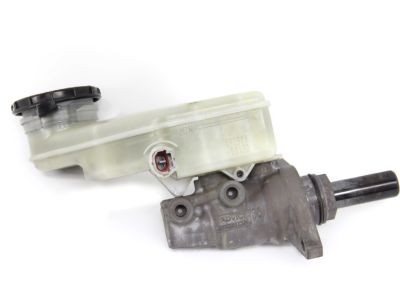
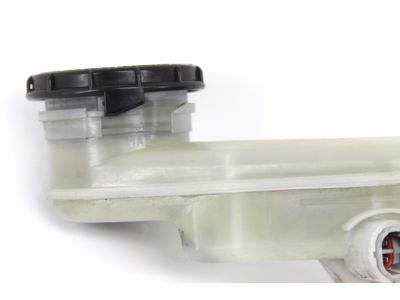
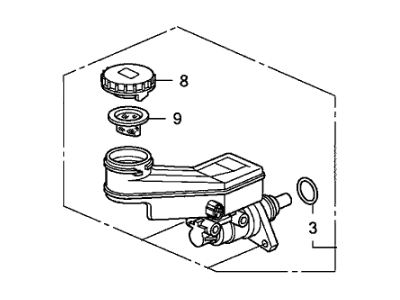
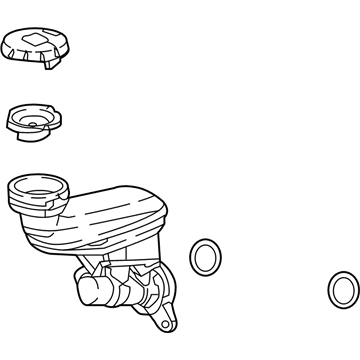
Honda Odyssey Master Cylinder Set (C00)
Part Number: 46101-SHJ-305$218.40 MSRP: $316.52You Save: $98.12 (31%)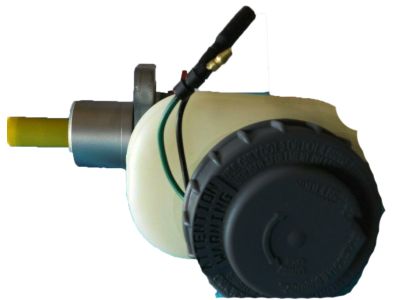
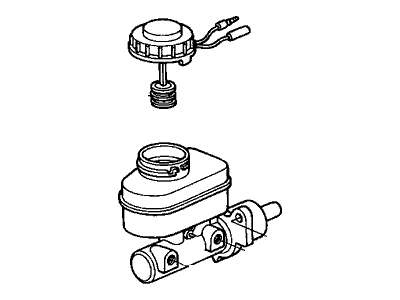
Honda Odyssey Master Cylinder Assembly (26.99Mmcv)
Part Number: 46100-S0X-952$336.85 MSRP: $437.75You Save: $100.90 (24%)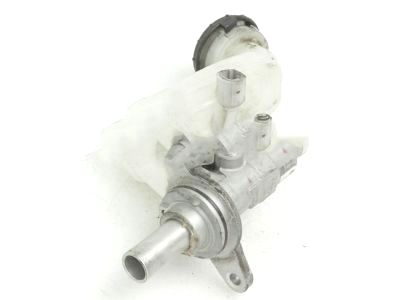
Honda Odyssey Master Cylinder Set
Part Number: 46101-THR-A01$198.42 MSRP: $287.57You Save: $89.15 (31%)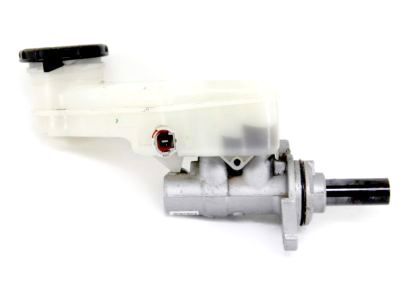
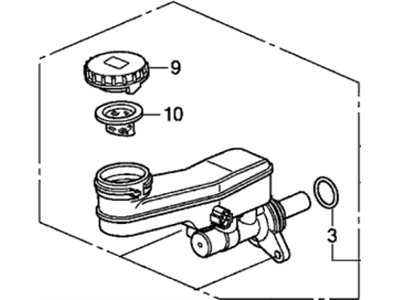
Honda Odyssey Master Cylinder Set
Part Number: 46101-TK8-A04$189.05 MSRP: $273.98You Save: $84.93 (31%)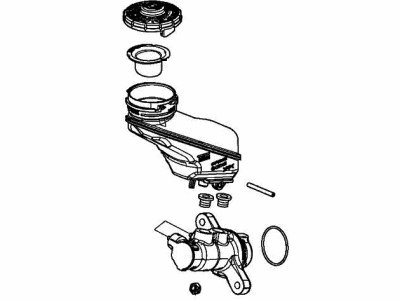
Honda Odyssey Set, M/C+Reservoir
Part Number: 46101-THR-A11$250.26 MSRP: $362.69You Save: $112.43 (31%)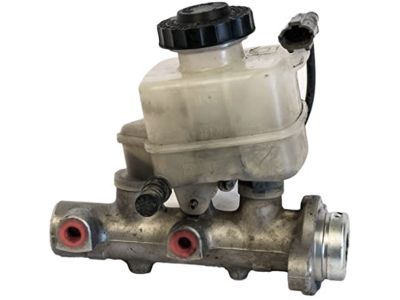
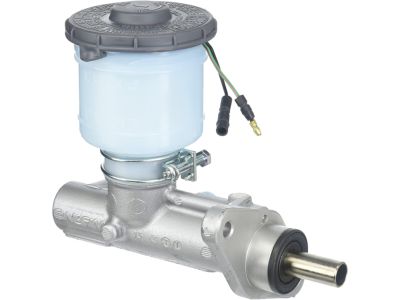
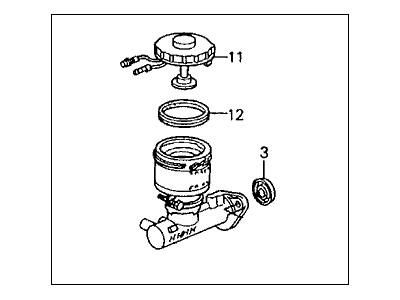
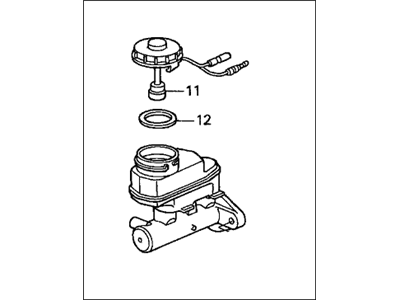
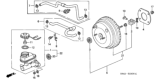
Honda Odyssey Brake Master Cylinder
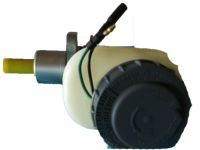
Brake Master Cylinder in Honda Odyssey vehicles is a significant component of the braking system of the vehicle, which takes the pressure of the foot of the driver and translates this pressure into hydraulic force for operating brake system slave cylinders. This works by forcing brake fluid through a hydraulic system this eventually pushes the calipers or the drum to produce the amount of friction required to halt the car. Power brake systems in Honda Odyssey models usually comprise of dual circuit master cylinders in that even if one of the circuits is not functional, then the other one will still supply the brake force. Yearly, there has been both cast iron and aluminum master cylinder for Honda Odyssey vehicles together with the differing designs of the reservoir, integral or external. An integral reservoir is a cylinder and blind end while the external reservoir is threaded on one or on both ends. In any of its kind, the Brake Master Cylinder features a set up that is capable of supplying fluid and sealing off the system so as not to allow the intrusion of air, for a reliable braking system.
In search of affordable OEM Honda Odyssey Brake Master Cylinder? Consider browsing through our extensive inventory of genuine Honda Odyssey Brake Master Cylinder. Not only do we provide market-leading prices and a manufacturer's warranty, but we also pride ourselves on exceptional customer service and swift delivery.
Honda Odyssey Brake Master Cylinder Parts Questions & Experts Answers
- Q:How to replace a Brake Master Cylinder on a Honda Odyssey?A:The Brake Master Cylinder is located in the engine compartment, mounted to the power Brake Booster. Begin by removing as much fluid as possible from the reservoir using a syringe or an old turkey baster. Place rags under the fluid fittings and prepare caps or plastic bags to cover the ends of the lines once disconnected, taking care to avoid spilling brake fluid, which can damage paint. Loosen the fittings at the ends of the Brake Lines where they enter the Brake Master Cylinder, using a flare-nut wrench to prevent rounding off the corners. Pull the brake lines slightly away from the Brake Master Cylinder and plug the ends to prevent contamination. Remove the nuts attaching the Brake Master Cylinder to the power booster, then pull the Brake Master Cylinder off the studs and out of the engine compartment, again being cautious not to spill fluid. If installing a new Brake Master Cylinder, remove the reservoir from the old one and transfer it to the new unit, ensuring to install new seals. Before installation, bench bleed the new Brake Master Cylinder by mounting it in a vise and attaching bleeder tubes to the outlet ports, filling the reservoir with the recommended brake fluid. Slowly push the pistons into the Brake Master Cylinder to expel air into the reservoir, repeating until no more air bubbles are present. After removing the bleed tubes and installing plugs in the open ports, install the reservoir cap. Position the Brake Master Cylinder over the studs on the power brake booster and tighten the attaching nuts only snugly at this stage, ensuring a new O-ring is installed into the sleeve of the Brake Master Cylinder. Thread the brake line fittings into the Brake Master Cylinder, adjusting the position slightly if needed to avoid stripping the threads. Fully tighten the mounting nuts and brake line fittings to the specified torque. Fill the Brake Master Cylinder reservoir with fluid, then bleed both the Brake Master Cylinder and the brake system by having an assistant depress the brake pedal while loosening the fitting to allow air and fluid to escape, repeating until the fluid is clear of air bubbles. Keep rags handy to catch any fluid, as brake fluid can ruin painted surfaces, and rinse the area under the Brake Master Cylinder with clean water after bleeding. Finally, test the operation of the brake system carefully before returning the vehicle to normal service.
Related Honda Odyssey Parts


Browse by Year
2026 Brake Master Cylinder 2025 Brake Master Cylinder 2024 Brake Master Cylinder 2023 Brake Master Cylinder 2022 Brake Master Cylinder 2021 Brake Master Cylinder 2020 Brake Master Cylinder 2019 Brake Master Cylinder 2018 Brake Master Cylinder 2017 Brake Master Cylinder 2016 Brake Master Cylinder 2015 Brake Master Cylinder 2014 Brake Master Cylinder 2013 Brake Master Cylinder 2012 Brake Master Cylinder 2011 Brake Master Cylinder 2010 Brake Master Cylinder 2009 Brake Master Cylinder 2008 Brake Master Cylinder 2007 Brake Master Cylinder 2006 Brake Master Cylinder 2005 Brake Master Cylinder 2004 Brake Master Cylinder 2003 Brake Master Cylinder 2002 Brake Master Cylinder 2001 Brake Master Cylinder 2000 Brake Master Cylinder 1999 Brake Master Cylinder 1998 Brake Master Cylinder 1997 Brake Master Cylinder 1996 Brake Master Cylinder 1995 Brake Master Cylinder