×
- Hello
- Login or Register
- Quick Links
- Live Chat
- Track Order
- Parts Availability
- RMA
- Help Center
- Contact Us
- Shop for
- Honda Parts
- Honda Accessories

My Garage
My Account
Cart
Genuine Honda Odyssey Thermostat
Engine Coolant Thermostat- Select Vehicle by Model
- Select Vehicle by VIN
Select Vehicle by Model
orMake
Model
Year
Select Vehicle by VIN
For the most accurate results, select vehicle by your VIN (Vehicle Identification Number).
5 Thermostats found
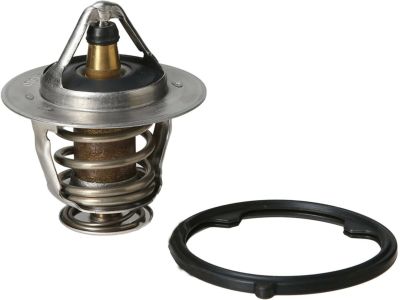
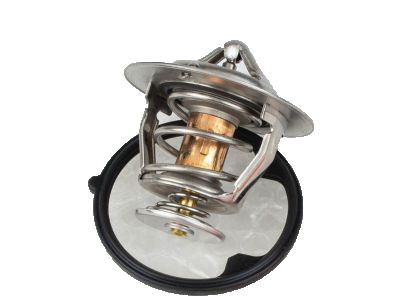
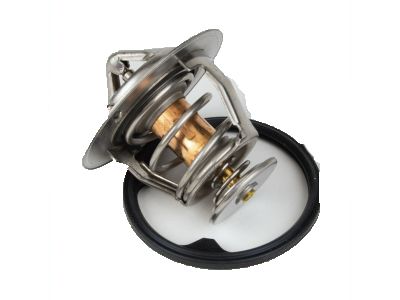
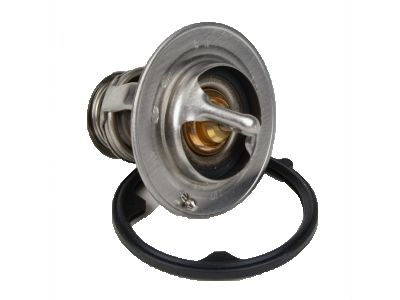
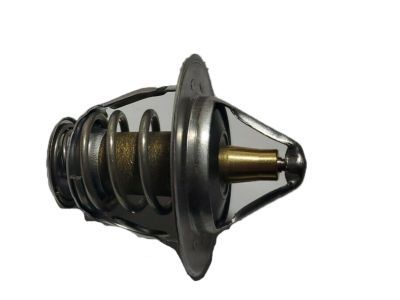
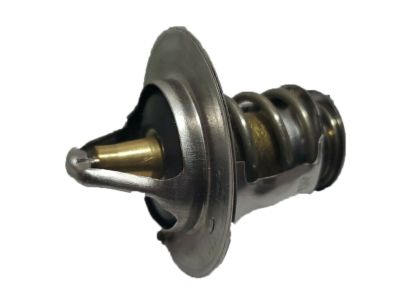
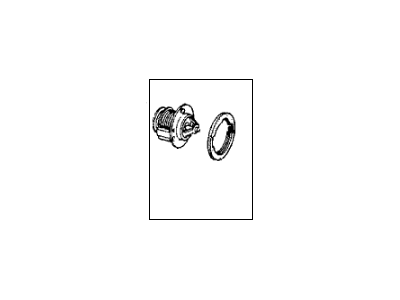
Honda Odyssey Thermostat Assembly (Nippon Thermostat)
Part Number: 19301-P8E-A10$73.97 MSRP: $107.20You Save: $33.23 (31%)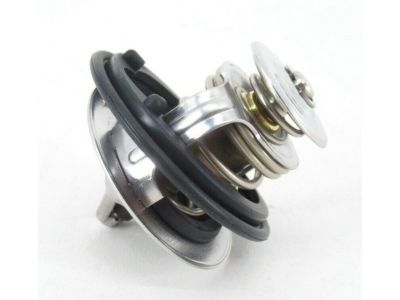
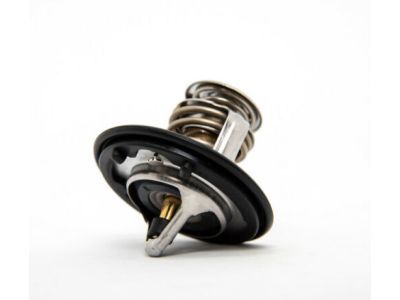
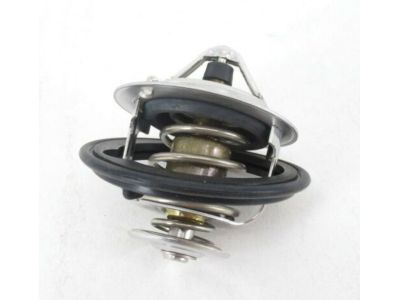
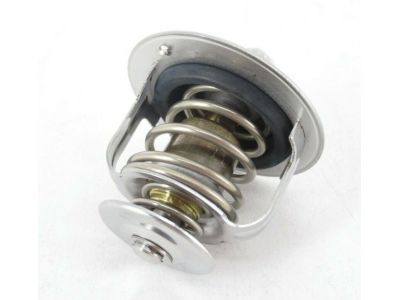
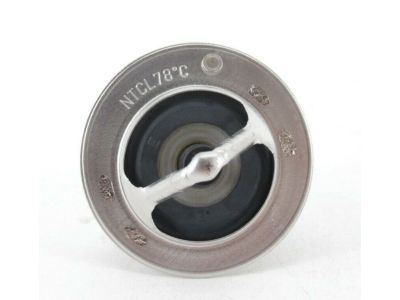
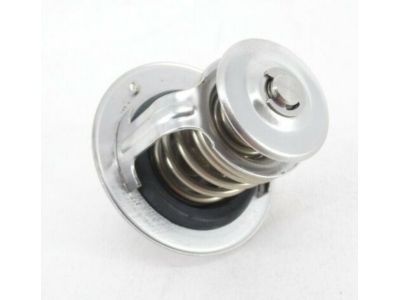
Honda Odyssey Thermostat Assembly (Nippon Thermostat)
Part Number: 19301-PAA-306$42.32 MSRP: $60.28You Save: $17.96 (30%)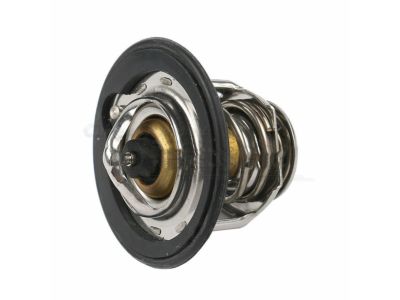
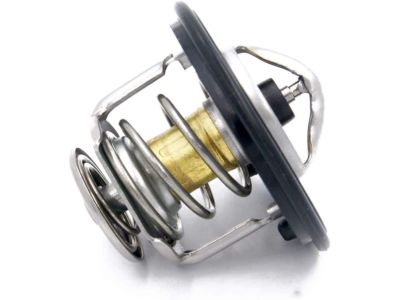
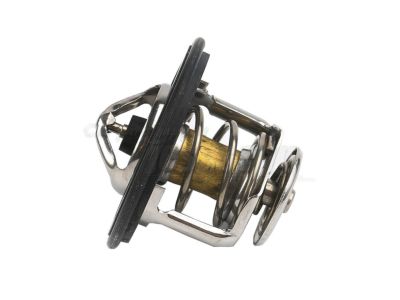
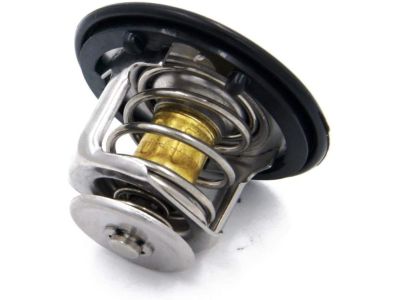
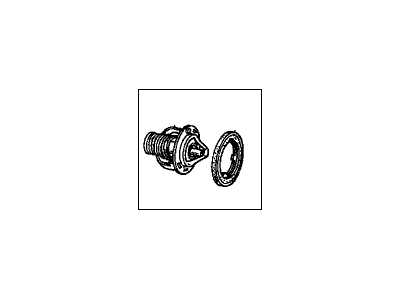
Honda Odyssey Thermostat Assembly (Nippon Thermostat)
Part Number: 19301-P08-316$42.32 MSRP: $60.28You Save: $17.96 (30%)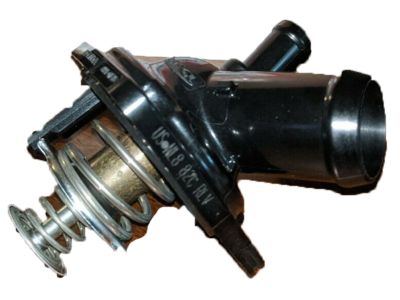
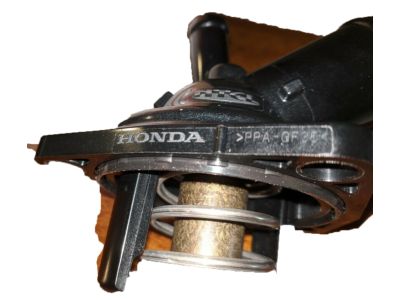
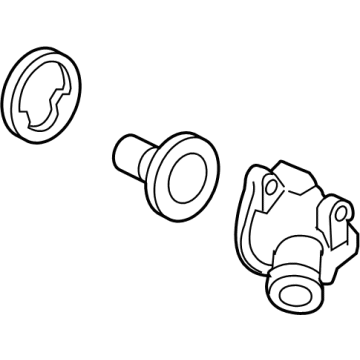
Honda Odyssey Cover Assembly, Thermostat
Part Number: 19315-RLV-A51$55.87 MSRP: $78.92You Save: $23.05 (30%)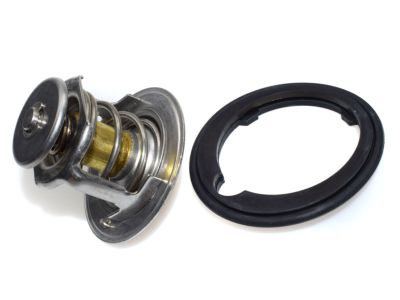
Honda Odyssey Thermostat Assembly
Part Number: 19301-P8F-A11$64.64 MSRP: $91.30You Save: $26.66 (30%)
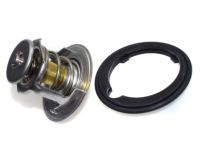
Honda Odyssey Thermostat
Generally, the Honda Odyssey Thermostat is installed around the system for cooling considering it is an important part of the heating system. Its main purpose is to control the temperature of the engine as to prevent it from reaching temperate that could hinder it's operation. Heating devices are closed-loop control gadgets that require a thermostat to measure and record the temperature in a dwelling or industrial facility. There exists different categories of thermostats over the years; for instance, the mechanical type that uses the bimetallic strips or the wax pellets and the pneumatic type that has air-filled control tubes. These have enhanced systems used in automobiles such as the Honda Odyssey to accord better thermal comfort and function effectively.
In search of affordable OEM Honda Odyssey Thermostat? Consider browsing through our extensive inventory of genuine Honda Odyssey Thermostat. Not only do we provide market-leading prices and a manufacturer's warranty, but we also pride ourselves on exceptional customer service and swift delivery.
Honda Odyssey Thermostat Parts Questions & Experts Answers
- Q:How to Check and Replace a Thermostat on Honda Odyssey?A:Before assuming the thermostat is to blame for a cooling system problem, check the coolant level, drivebelt tension, and temperature gauge operation. These models use the coolant temperature sensor(ECT) to read coolant temperature for the temperature gauge. If the engine seems to be taking a long time to warm up, based on heater output or temperature gauge operation, the thermostat is probably stuck open. Replace the thermostat with a new one. If the engine runs hot, use your hand to check the temperature of the lower radiator hose. If the hose isn't hot, but the engine is, the thermostat is probably stuck closed, preventing the coolant inside the engine from escaping to the radiator. Replace the thermostat. If the lower radiator hose is hot, it means that the coolant is flowing and the thermostat is open. Consult the Troubleshooting Guide for cooling system diagnosis.Disconnect the cable from the negative battery terminal. Drain the cooling system. If the coolant is relatively new or in good condition, save it and reuse it. Remove the battery. Follow the lower radiator hose to the engine to locate the thermostat housing cover. Use pliers to squeeze the coolant hose clamp and slide the clamp away from the thermostat housing. Loosen the hose clamp, then detach the hose from the fitting. If it's stuck, grasp it near the end with adjustable pliers and twist it to break the seal, then pull it off. If the hose is old or deteriorated, cut it off and install a new one. If the outer surface of the large fitting that mates with the hose is deteriorated, it may be damaged further by hose removal. If it is, the thermostat housing cover will have to be replaced. Remove the thermostat cover bolts and detach the housing cover. If the cover is stuck, tap it with a soft-face hammer to jar it loose. Be prepared for some coolant to spill as the gasket seal is broken. Note how it's installed - with the jiggle pin up - then remove the thermostat. Remove all traces of old gasket material orsealant from the housing and cover. Install a new rubber seal over the thermostat. Make sure the seal is aligned correctly with the rubber tang located directly above the jiggle pin. Install the new thermostat in the housing without using sealant. Make sure the jiggle pin is at the top and the spring end is directed into the engine. Install the housing cover and bolts. Tighten the bolts. Reattach the hose and tighten the hose clamp securely. Install all components that were removed for access. Refill the cooling system. Reconnect the battery. Start the engine and allow it to reach normal operating temperature, then check for leaks and proper thermostat operation.
Related Honda Odyssey Parts
 Honda Odyssey Water Pump
 Honda Odyssey Radiator
 Honda Odyssey Radiator Hose
 Honda Odyssey Thermostat Gasket
 Honda Odyssey Cooling Hose
 Honda Odyssey Coolant Reservoir
 Honda Odyssey Radiator Support
 Honda Odyssey Water Pump Gasket
 Honda Odyssey Fan Motor
 Honda Odyssey Thermostat Housing
 Honda Odyssey Fan Blade
 Honda Odyssey Fan Shroud
Browse by Year
2026 Thermostat 2025 Thermostat 2024 Thermostat 2023 Thermostat 2022 Thermostat 2021 Thermostat 2020 Thermostat 2019 Thermostat 2018 Thermostat 2017 Thermostat 2016 Thermostat 2015 Thermostat 2014 Thermostat 2013 Thermostat 2012 Thermostat 2011 Thermostat 2010 Thermostat 2009 Thermostat 2008 Thermostat 2007 Thermostat 2006 Thermostat 2005 Thermostat 2004 Thermostat 2003 Thermostat 2002 Thermostat 2001 Thermostat 2000 Thermostat 1999 Thermostat 1998 Thermostat 1997 Thermostat 1996 Thermostat 1995 Thermostat