×
- Hello
- Login or Register
- Quick Links
- Live Chat
- Track Order
- Parts Availability
- RMA
- Help Center
- Contact Us
- Shop for
- Honda Parts
- Honda Accessories

My Garage
My Account
Cart
Genuine Honda Passport Fuel Tank
Gas Tank- Select Vehicle by Model
- Select Vehicle by VIN
Select Vehicle by Model
orMake
Model
Year
Select Vehicle by VIN
For the most accurate results, select vehicle by your VIN (Vehicle Identification Number).
10 Fuel Tanks found
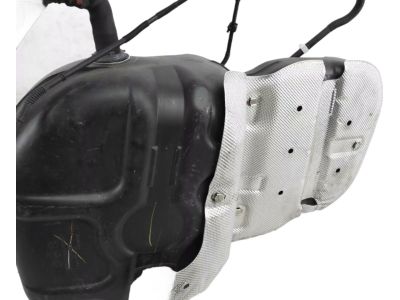
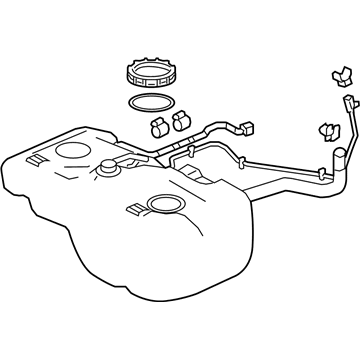
Honda Passport Fuel Tank Set
Part Number: 17044-TG7-A20$1796.18 MSRP: $2626.01You Save: $829.83 (32%)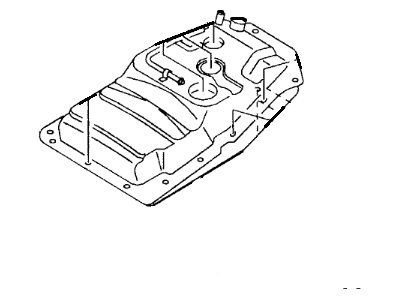

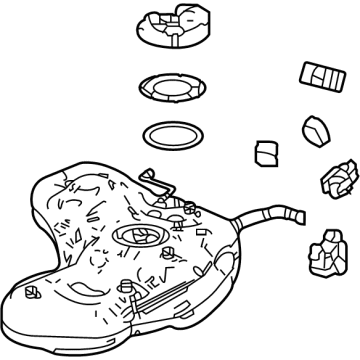
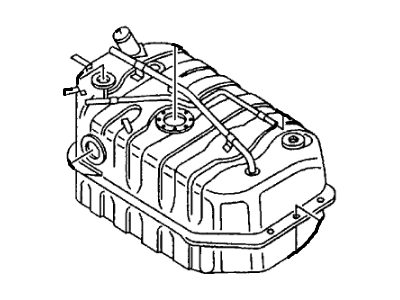

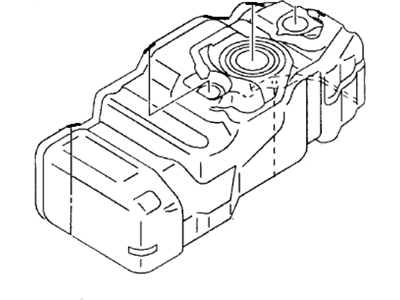

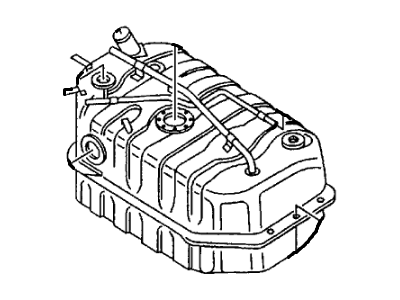

Honda Passport Fuel Tank
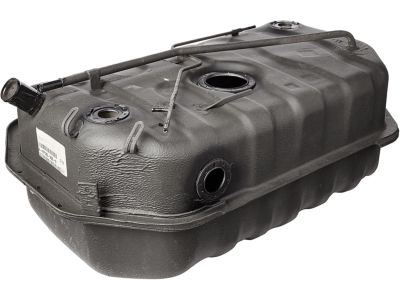
Fuel Tank of Honda Passport vehicles is intended to store and subsequently deliver the liquid fuel to the operation of the engine. It is intended to accommodate components: the electric fuel pump, the fuel gauge sender, within the fuel tank, and the fuel slosh and noise are reduced through several baffles established within the tanks. Honda Passport Fuel Tank is part of the evaporation emission control system or commonly referred to as EVAP that prevents fuel vapor from being released to the atmosphere. Interpreting the results of the analysis, it can be stated that in the production of Honda Passport vehicles, both metal and plastic Fuel Tanks were used in the course of the year. Metal tanks normally are developed from steel or aluminum while from plastic it is developed from High Density Polyethylene (HDPE). It is for this reason that each type has its strengths and weaknesses, for instance while using the metal tanks they are prone to corrosion and rusting while plastic tanks crack easily under certain circumstances. Whether it is made of steel or any other material, Honda Passport Fuel Tank is designed for undercarigeant that provides safety and reliability.
In search of affordable OEM Honda Passport Fuel Tank? Consider browsing through our extensive inventory of genuine Honda Passport Fuel Tank. Not only do we provide market-leading prices and a manufacturer's warranty, but we also pride ourselves on exceptional customer service and swift delivery.
Honda Passport Fuel Tank Parts Questions & Experts Answers
- Q:Is the procedure for removing a fuel tank easier with an empty tank, and what steps should be taken if there is no drain plug on Honda Passport?A:When you empty the fuel tank, the repair work goes more quickly and easily. A drain plug makes this job even simpler. When there's no drain plug, put the fuel in a permitted container with a siphoning kit, or leave it until the tank is close to empty. Before you start, take off the fuel tank filler cap to let pressure escape, and disconnect the cable from the battery's negative terminal. Before lifting the car, you should remove and drain any remaining fuel from either the fuel feed line or by removing the tank's drain plug. Rise the vehicle on jackstands and unclip the fuel filler tube, overflow tube, and vent hoses from the fuel tank by pulling out the clamp fastenings. Mark the fuel lines and vapor return tube before unplugging them. Use plugs to block all connections to stop leaks. Use a fuel siphoning kit to move fuel out of the fuel inlet port if there's still some left over. Put it into approved container. Put a floor jack below the fuel tank, and place wooden blocks between the jack head and the tank to stop damage. On vehicles with these parts, take out the bolts holding the tank brackets on its sides. Then disconnect the power cables for the Fuel Pump and level sensor from under the back seat. Unbolt the fuel tank from its position on the car's frame, keeping track that some of these bolts are hidden underneath and may be tough to reach. Take out the tank, allowing the left side to lower by itself as you lift it sideways off the brackets. Loosen electrical wires and tubes on your way as you slowly lower the tank, guiding the gas fill pipe between the passenger side frame and body. Put things back like you took them out, from back to front.