×
- Hello
- Login or Register
- Quick Links
- Live Chat
- Track Order
- Parts Availability
- RMA
- Help Center
- Contact Us
- Shop for
- Honda Parts
- Honda Accessories

My Garage
My Account
Cart
Genuine Honda Pilot Radiator
Cooling Radiator- Select Vehicle by Model
- Select Vehicle by VIN
Select Vehicle by Model
orMake
Model
Year
Select Vehicle by VIN
For the most accurate results, select vehicle by your VIN (Vehicle Identification Number).
6 Radiators found
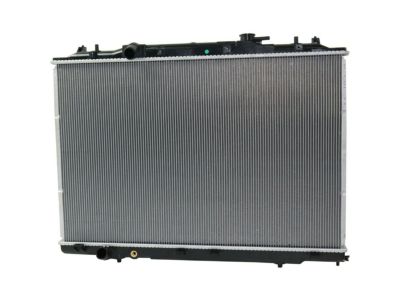
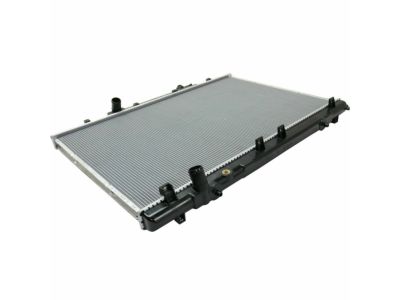
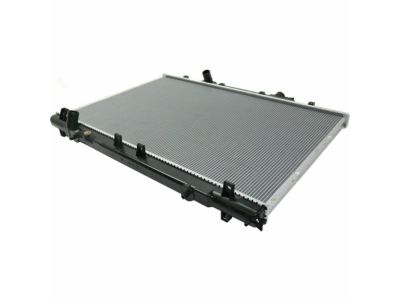
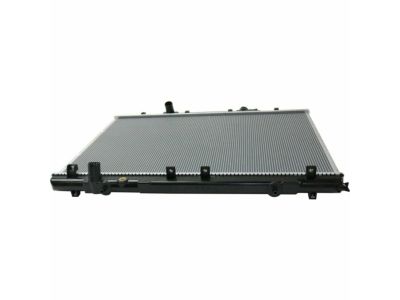
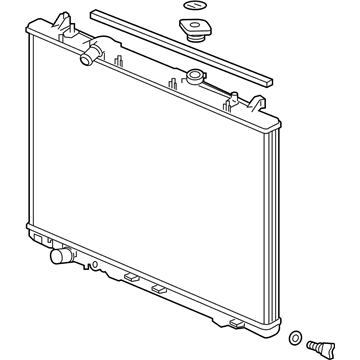
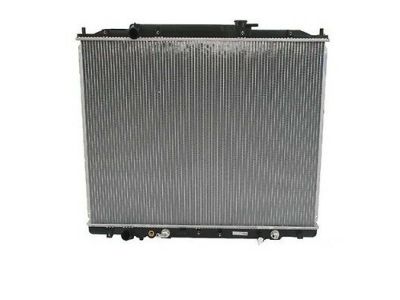
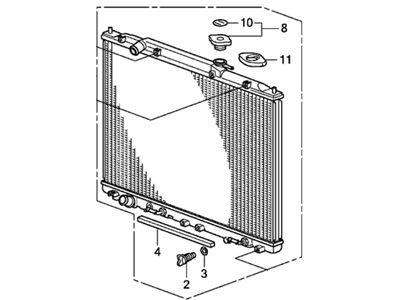
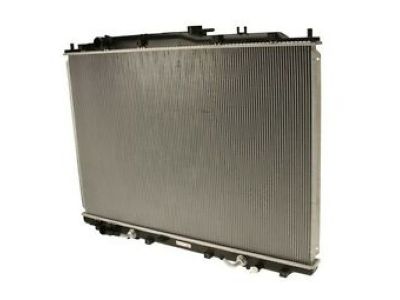
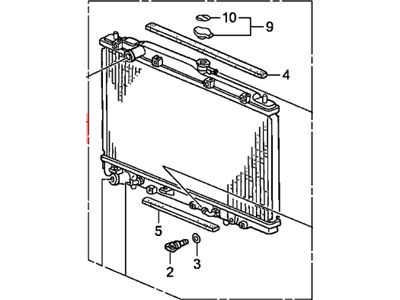
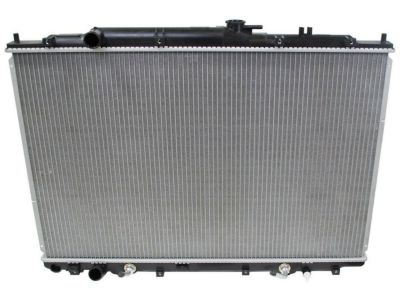
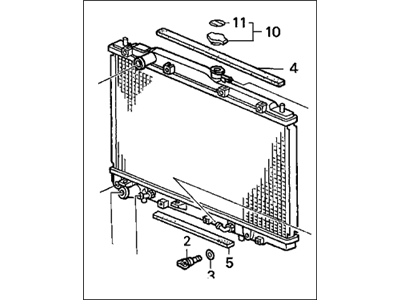
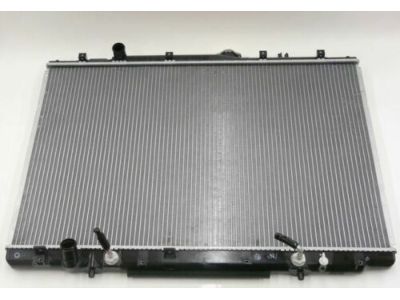
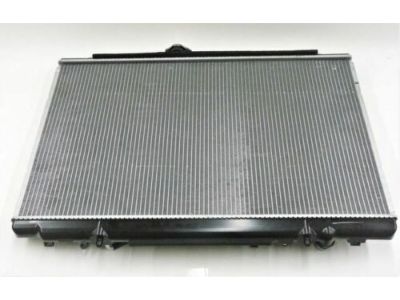
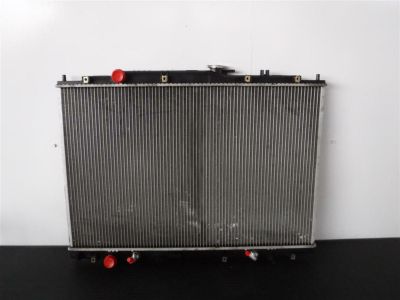
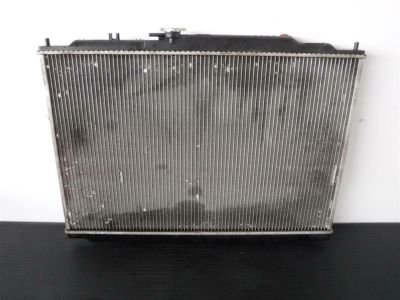
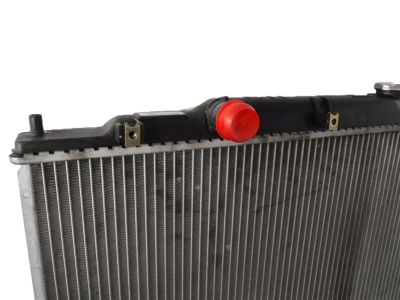
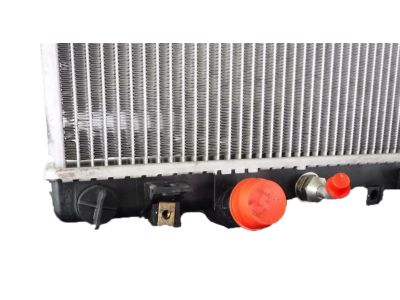
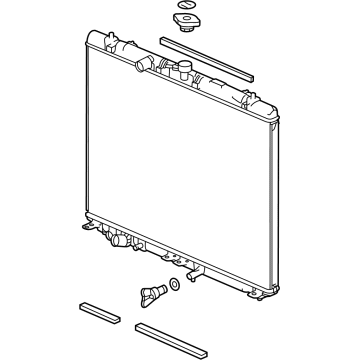

Honda Pilot Radiator
The Radiator in Honda Pilot vehicles plays a vital role in the engine as it helps in the dissipation of heat from the engine coolant, through heat exchanging mechanism. Currently most Honda Pilot Radiators use an Aluminium core with plastic or aluminium tanks, but copper/brass radiators are also found occasionally. Located ahead of the vehicle the Radiator is so situated because it needs to be exposed to the airflow through the grille for proper heat transfer. Problems that are found on Radiators include leakage which can be solved in various techniques depending on the severity, though replacement is the prime approach. Performance Radiators are usually superior to standard units in that they use lightweight aluminum and better devised for superior cooling. These radiators are some of the biggest and have more fins per a given area to increase the efficiency in the heat transfer allowing for a cooler running engine. There is a direct fit series for those who just have to bolt it in, while universal radiators are for tricked out applications. In summary, Honda Pilot Radiators are critical components in regulating the temperature and efficiency of the vehicles' engines.
In search of affordable OEM Honda Pilot Radiator? Consider browsing through our extensive inventory of genuine Honda Pilot Radiator. Not only do we provide market-leading prices and a manufacturer's warranty, but we also pride ourselves on exceptional customer service and swift delivery.
Honda Pilot Radiator Parts Questions & Experts Answers
- Q:How to remove the radiator on Honda Pilot?A:Pull the wire away from the negative battery post. Set the parking brake and block the rear wheels. Put the front of your car on jackstands while elevating it. Remove the lower engine splash shield. First empty your car's cooling system; keep and reuse the coolant if it's not too old or damaged. Remove the plastic cover over the radiator. Remove the bumper cover. We take off both the upper and lower radiator hose connections, by loosening the clamps and letting the hoses slide down away from the fittings, before removing them. To detach stuck hoses safely, take pliers designed for pipe work, clamp them around the outer section of the hose, twist until the seal breaks, then pull off the hose without harming the attachment points. You should get rid of the old and damaged hoses, then install fresh ones. Take apart the small hose leading to the cooling system tank. Remove the engine cooling fans. Unplug and remove both transaxle fluid cooler hoses from the bottom of the radiator and install pipe caps to prevent leaks. Slide out the brackets holding up the radiator and air conditioning unit, and examine the rubber material inside each bracket. If you see any cracks or stiffness, get new replacement rubber pieces. Handle the radiator carefully as you take it out, being careful to not hurt the fins on the radiator or air conditioning condenser while keeping any spilled coolant from touching the vehicle and its paint. Instead of fixing the radiator yourself, hand over the work to a professional at a radiator shop or your car dealer's auto service division. Spray dirt on the inside of the radiator from the back with a garden hose nozzle, then flush it with water from a garden hose before putting it back. Take a look at and replace the worn-out or rotten rubber dampeners under the radiator. Placement follows the same steps but backward: put the radiator in place carefully and push it down until you see the bottom rubber mounts fit snugly into the support. Keep the radiator and air conditioning condenser bracket bolts tight during installation. When the work is done, put the correct amount of antifreeze and water into the cooling system. Start the engine and check for leaks. Check the coolant level after your engine heats up normally. Once it's hot, top off the mixture if it's low. Check the transaxle fluid and add more as needed.
Related Honda Pilot Parts
 Honda Pilot Water Pump
 Honda Pilot Radiator Hose
 Honda Pilot Cooling Hose
 Honda Pilot Fan Motor
 Honda Pilot Coolant Reservoir
 Honda Pilot Radiator Support
 Honda Pilot Fan Shroud
 Honda Pilot Fan Blade
Browse by Year
2025 Radiator 2024 Radiator 2023 Radiator 2022 Radiator 2021 Radiator 2020 Radiator 2019 Radiator 2018 Radiator 2017 Radiator 2016 Radiator 2015 Radiator 2014 Radiator 2013 Radiator 2012 Radiator 2011 Radiator 2010 Radiator 2009 Radiator 2008 Radiator 2007 Radiator 2006 Radiator 2005 Radiator 2004 Radiator 2003 Radiator