×
- Hello
- Login or Register
- Quick Links
- Live Chat
- Track Order
- Parts Availability
- RMA
- Help Center
- Contact Us
- Shop for
- Honda Parts
- Honda Accessories

My Garage
My Account
Cart
Genuine Honda Pilot Turn Signal Flasher
Turn Signal Indicator Flasher- Select Vehicle by Model
- Select Vehicle by VIN
Select Vehicle by Model
orMake
Model
Year
Select Vehicle by VIN
For the most accurate results, select vehicle by your VIN (Vehicle Identification Number).
1 Turn Signal Flasher found
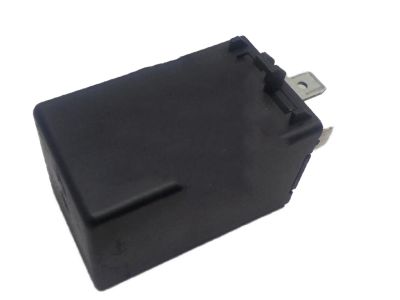
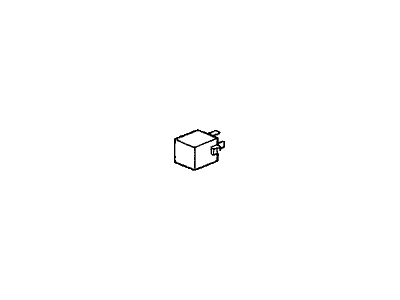
Honda Pilot Relay Assembly, Turn Signal And Hazard (Trico)
Part Number: 38300-S9V-A01$87.05 MSRP: $122.96You Save: $35.91 (30%)
Honda Pilot Turn Signal Flasher
The Honda Pilot Turn Signal Flasher keeps your SUV's blinkers and hazard lamps blinking at a steady, attention-grabbing rhythm so nearby drivers always know your next move. Hidden in the fuse box, this little relay is in action the moment you tap the stalk, sending a controlled pulse of current that turns the indicator bulbs on and off in a continuous pattern, and long service life in a Honda is dependent on this relay remaining clean and dry. Early generations of the Pilot relied on a thermal style Turn Signal Flasher which heated a metal strip, the expansion and contraction of which clicked the circuit open and closed many times each minute. As lighting technology progressed, later Pilot models adopted a solid state Turn Signal Flasher, replacing moving components with an electronic timing chip and transistor that does the same job more quietly and with greater accuracy, especially if low draw LED bulbs are fitted. Despite their different internals, both types share one goal of providing the familiar rhythmic flash and audible click drivers trust when merging, turning or warning of a roadside stop. When a Turn Signal Flasher fails, the lamps may freeze, flash erratically or remain completely dark, a sure sign the relay is no longer regulating current. Selecting an OE style unit ensures Honda circuitry remains protected so your Pilot is back to its reliable Turn Signal Flasher cadence.
In search of affordable OEM Honda Pilot Turn Signal Flasher? Consider browsing through our extensive inventory of genuine Honda Pilot Turn Signal Flasher. Not only do we provide market-leading prices and a manufacturer's warranty, but we also pride ourselves on exceptional customer service and swift delivery.
Honda Pilot Turn Signal Flasher Parts Questions & Experts Answers
- Q:Where is the Turn Signal Flasher Located and What is its Function on a Honda Pilot?A:The blinker and warning lights are controlled from one flasher, which is located on the back part of the Fuse/relay box under the left side of the dash. In case it's working fine, you will hear a clicking sound. If there is one turn signal indicator on your instrument cluster that flashes faster than usual, then it means that one of your turn signal bulbs in that direction has got a blown out filament. You can tell if you have a bad fuse or flasher unit by checking to see if neither turn signal lights up. There could be several reasons why both left and right indicators may not work including burnt out fuses; faulty relays; damaged switches; or poor contact in between socket and plug terminals. If the left or right turn signal fuse blows again after replacement, carefully check all wires for a short before installing another new fuse. To replace this flasher, remove driver's side fuse and relay box. The upper nut/two locking tabs must be removed to access this unit while lower mounting bracket and the fuse and relay box must only come off first as well . Then remove the flasher from behind the rear face of the fuse/relay box assembly. To take this hazard switch out just pull it out of its spot in the fuse box-no tools required! Just make sure to use exactly same part as used before so compare them with each other before installation begins. Putting everything back together is pretty much straightforward and carries along similar lines with removing them initially.