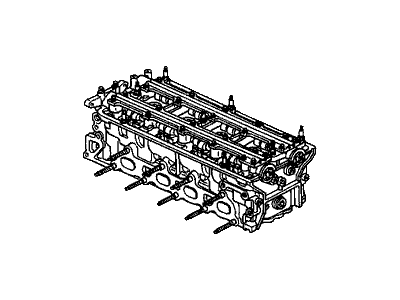
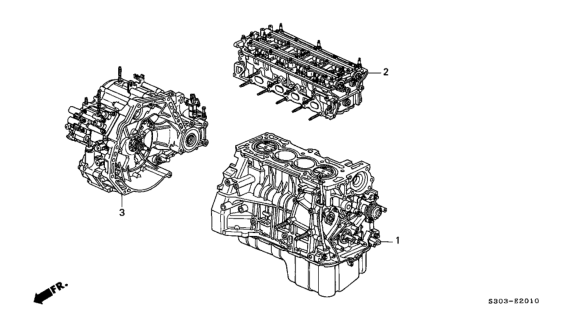
There are two basic types of cylinder heads used on today's automobiles, OHV and OHC, with reference to OHC, SOHC and DOHC. In general, a head equipped with a single camshaft is an OHC head and an engine with an OHV cylinder head is referred to as a push rod engine. Aluminum alloy is used in most cylinder heads because of light weight, strength, and heat dissipation; however, cast iron is still applied in numerous vehicles. All cylinder heads incorporate valves and seats; most have two valves per cylinder, while higher engine grades include multiple valves per cylinder arrangement. The valve stoke with the seat of the precision machined surface sealing the combustion chamber while each of the valve has guide offer centreing and freedom of movement. The valve by its guide clearance is very delicate; if the clearance is too large, the valve will consume oil and cause damage; if it is too small, the valves will stick. Valve springs are responsible for maintaining the position of the valves to against their seats and to revert to this position each time they are actuated. Essentially, when a cylinder head is rebuilt it has to have new valves, guides, seats and spring, but not always depending the maintenance of the engine. Wear results from poor tuning, in the sense that rich mixtures wash oil from guides, and that lean mixtures causes excessive heat. Mileage also affects wear; however, there are many parts here that can be machined and re-employed. In case one of the valve is burnt then all the valves in the same circuit should be replaced to avoid the same operating conditions that caused the burning of the first valve. The heads of OHC are also dismantled to reveal the parts that need changing; due to the presence of two camshafts, it can be complex to label the parts properly. In this case the camshaft followers are of cup-type and thus a C-clamp style valve spring compressor and an OHC spring removal tool shall be used while in case of rocker arm-type camshaft followers, a standard valve spring compressor may be necessary. Inspection of cleaned components consists of examination of valves in terms of crack, wear, tulipping while measurement of valve guides and spring are conducted to determine their specifications. Apart from the above, there are certain key characteristics of the cylinder head that should be checked they include guide condition, seals, flatness of surface and any signs of crack as well as any form of physical damage. Reconditioning and reconditioning usually needs a little machinist work; especially guides and seats whilst assembling needs a considerable amount of greasing and positioning of different parts of the valve.