×
- Hello
- Login or Register
- Quick Links
- Live Chat
- Track Order
- Parts Availability
- RMA
- Help Center
- Contact Us
- Shop for
- Honda Parts
- Honda Accessories

My Garage
My Account
Cart
Genuine Honda Odyssey Catalytic Converter
Cat. Converter- Select Vehicle by Model
- Select Vehicle by VIN
Select Vehicle by Model
orMake
Model
Year
Select Vehicle by VIN
For the most accurate results, select vehicle by your VIN (Vehicle Identification Number).
27 Catalytic Converters found
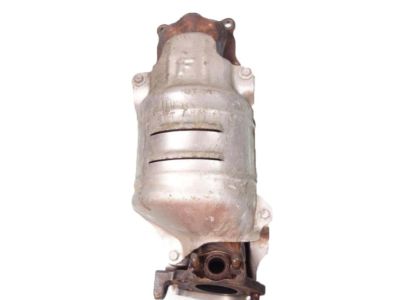
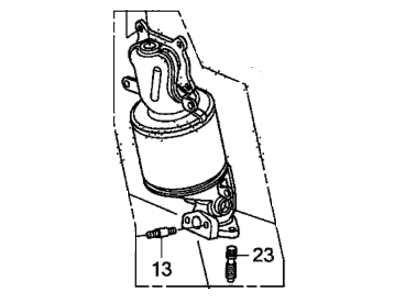
Honda Odyssey Converter, Front Primary
Part Number: 18190-RN0-A01$1077.08 MSRP: $1572.83You Save: $495.75 (32%)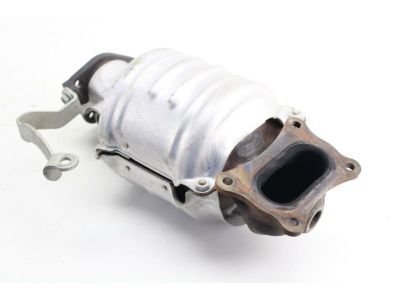
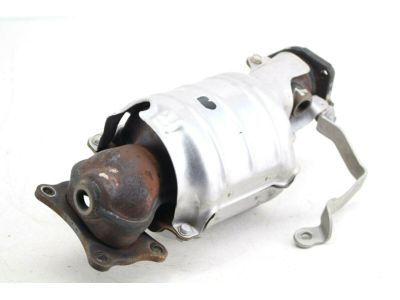
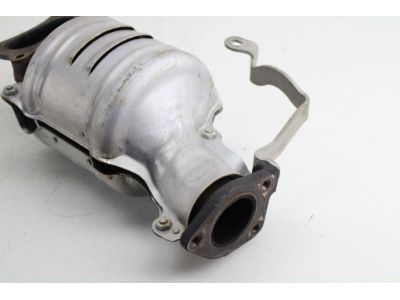
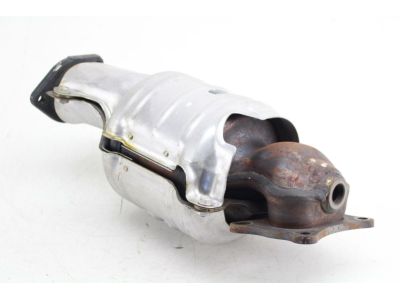
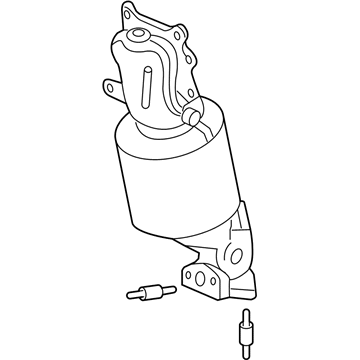
Honda Odyssey Converter Assy., RR. Primary
Part Number: 18280-RN0-A20$1077.08 MSRP: $1572.83You Save: $495.75 (32%)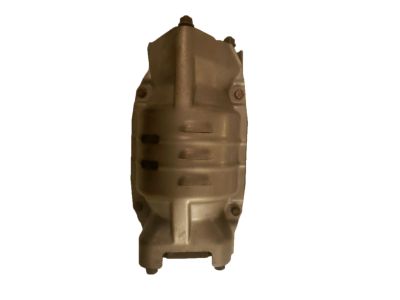
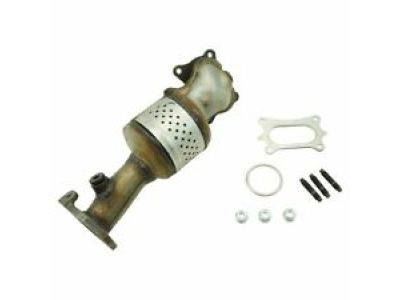
Honda Odyssey Converter Assy., FR. Primary
Part Number: 18180-RN0-A20$1058.20 MSRP: $1572.83You Save: $514.63 (33%)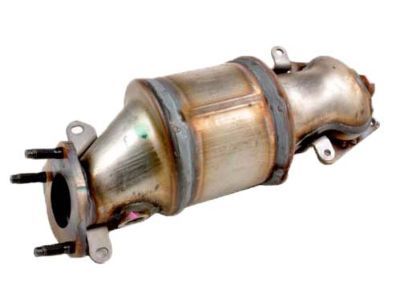
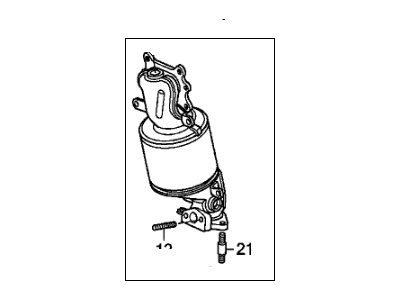
Honda Odyssey Converter, Front Primary
Part Number: 18190-RGW-A02$1071.55 MSRP: $1564.76You Save: $493.21 (32%)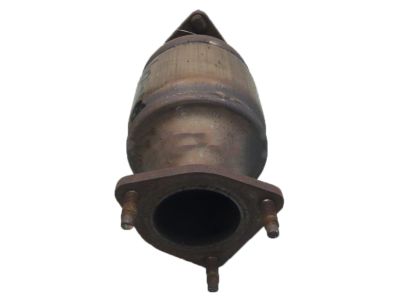
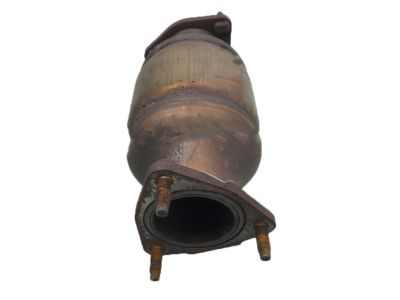
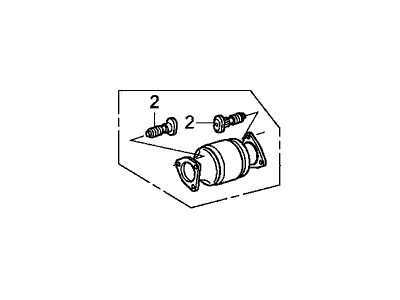
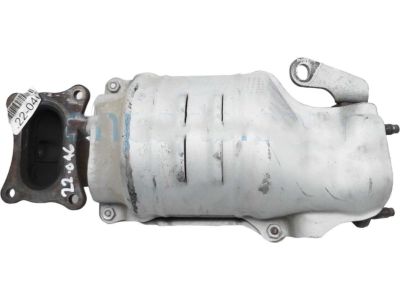
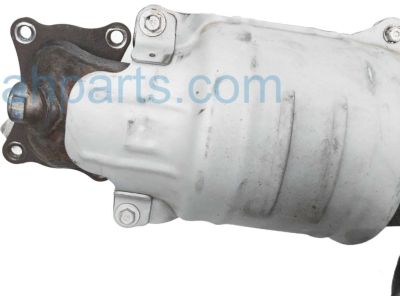
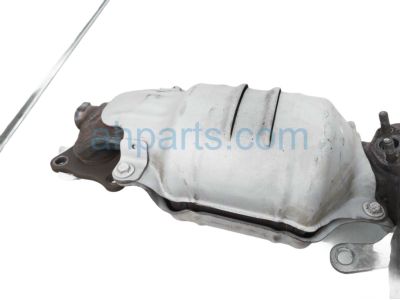
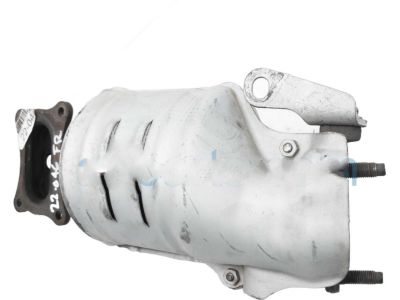
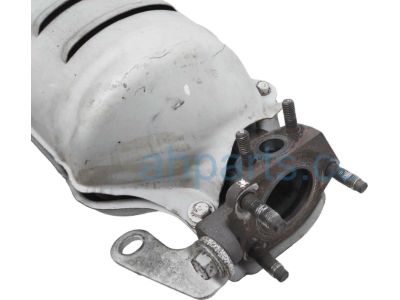
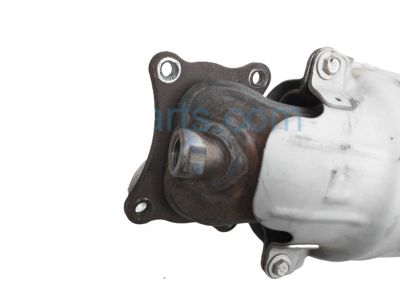
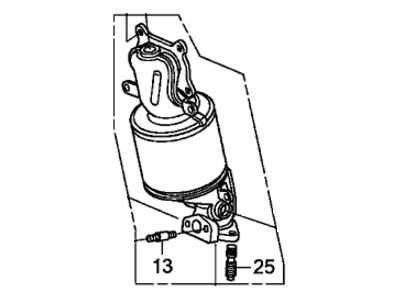
Honda Odyssey Converter, Front
Part Number: 18190-RV0-A10$923.23 MSRP: $1348.83You Save: $425.60 (32%)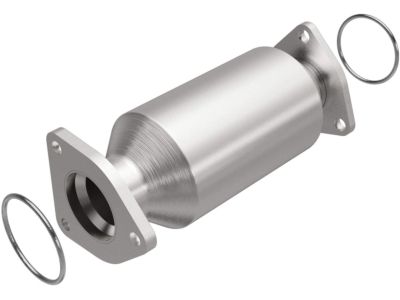
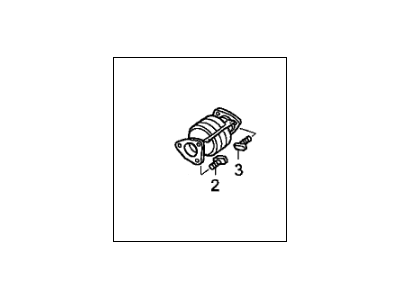
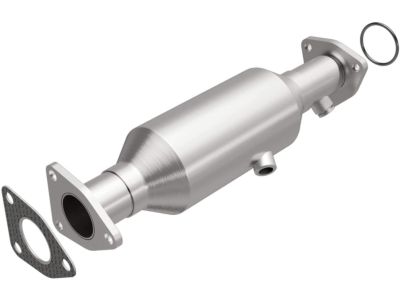
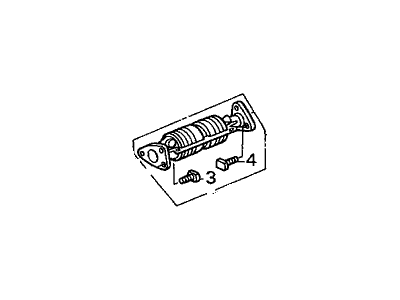
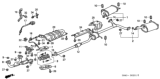
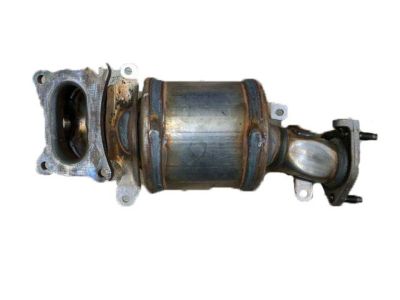
Honda Odyssey Converter, Front Primary
Part Number: 18190-RV0-A00$923.23 MSRP: $1348.83You Save: $425.60 (32%)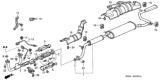
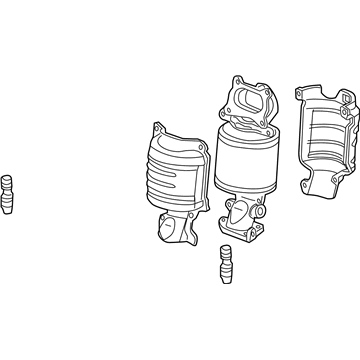
Honda Odyssey Converter Assembly, Rear Primary
Part Number: 18280-5MR-A01$1630.99 MSRP: $2382.65You Save: $751.66 (32%)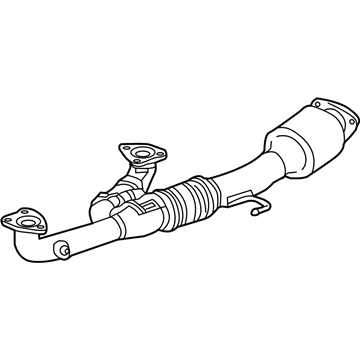
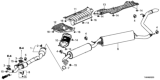
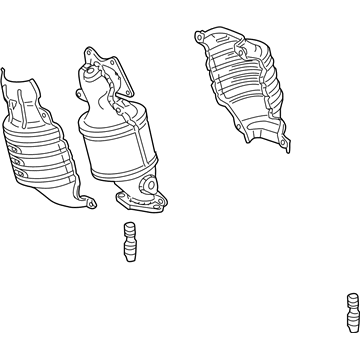
Honda Odyssey Converter Assembly, Front Primary
Part Number: 18180-5MR-A01$1630.99 MSRP: $2382.65You Save: $751.66 (32%)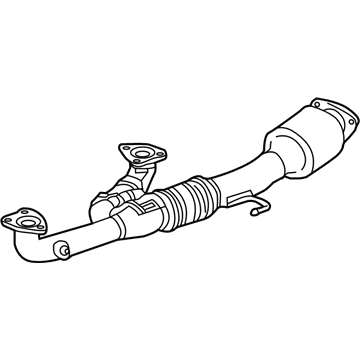
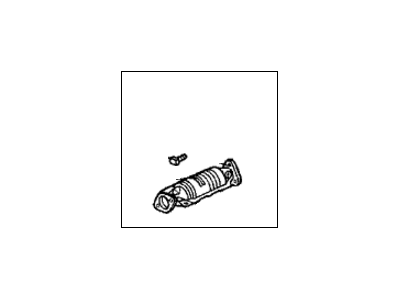
Honda Odyssey Converter (A H767) (Whe767)
Part Number: 18160-PEA-A00$623.15 MSRP: $907.67You Save: $284.52 (32%)Honda Odyssey Converter (Hhe367/H H367)
Part Number: 18160-P1E-L00$589.00 MSRP: $856.50You Save: $267.50 (32%)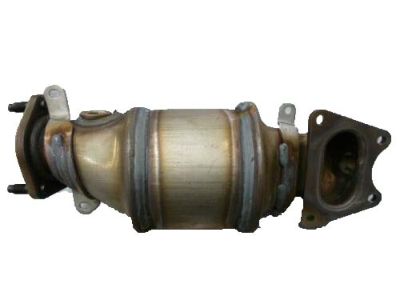
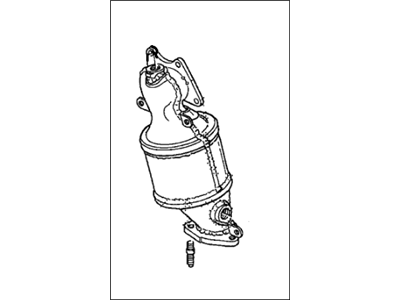
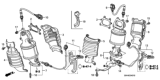
Honda Odyssey Converter, Front Primary
Part Number: 18190-RGL-A00$1094.46 MSRP: $1599.17You Save: $504.71 (32%)
| Page 1 of 2 |Next >
1-20 of 27 Results
Honda Odyssey Catalytic Converter
Another important Honda Odyssey part is the catalytic converter used in the car's exhaust and emission systems, as this devices' intention is to reduce hazardous gases like CO, HC and NOx and convert them into less dangerous and barely recognizable substances like water and CO2. To achieve these chemical reactions, the Honda Odyssey catalytic converter is made out of honeycomb substrate which has precious metals such as platinum, palladium, and rhodium. The Honda Odyssey has had over the year's several styles of catalytic converters such as direct fit and universal Catalytic converters. While direct fit converters can be bolted in with relative ease, universal converters need some sort of modifications to be made. There are also 'performance' catalytic converters with better flow characteristics to produce more engine power, but with sufficient emission conversion capability. Although they are longwearing elements, catalytic converters can break or fail in function due to corresponding engine problems or even external impacts, so, potential replacement may be needed to ensure their proper performance as well as to maintain the proper emissions level.
In search of affordable OEM Honda Odyssey Catalytic Converter? Consider browsing through our extensive inventory of genuine Honda Odyssey Catalytic Converter. Not only do we provide market-leading prices and a manufacturer's warranty, but we also pride ourselves on exceptional customer service and swift delivery.
Honda Odyssey Catalytic Converter Parts Questions & Experts Answers
- Q:What is a catalytic converter and how does it function in the exhaust system on Honda Odyssey?A:A catalytic converter is an emission control device in the exhaust system that reduces certain pollutants in the exhaust gas stream, with two types, First, there are oxidation converters, which are basically reduction converters turned around and used in the opposite way. Oxidation converters use a ceramic honeycomb substrate plated with platinum and palladium so as to bring about the following chemical reaction; oxidation of hydrocarbon substances and carbon monoxide through introduction of oxygen into the exhaust flow; the resulting by-products being water vapor and carbon dioxide. Reduction converters on the other hand are plated with platinum and rhodium they reduce oxides of nitrogen by robing the oxygen leaving nitrogen and carbon dioxide. The catalytic converters that cut all the three pollutants are called three way catalytic converters and all models discussed below are fitted with these. The catalytic converter is set in the exhaust pipe after the joining of the two outlet pipes of the exhaust manifolds. If the belief is that there is a bad converter, then the best place for diagnosing this are a dealer or an authorised emission inspection facility since the required diagnostic tools are costly. When you are in the process of servicing of the underbody parts, check whether the converter assembly have signs of leakage, corrosion, dents, and other signs of damages around the welds and bolts that are used to hold the converter assembly to the exhaust system. The converters are fairly indestructible but can be blocked; a vacuum gauge can then be used to check the exhaust system for restrictions. To replace this unit one has to turn the ignition key off, securely jack up the vehicle and carry out the following procedures, disconnect the electrical connector from the downstream Oxygen Sensor and withdraw the sensor. Next, unbolt the retaining nuts on the front and rear catalyst mounting flanges, and the procedures of installation are opposite to the procedures of removal, when replacement of the whole set of the rusty and damaged bolts and nuts is required, and the bolts must be tightened with the permitted torque.
Related Honda Odyssey Parts
 Honda Odyssey Oxygen Sensor
 Honda Odyssey Exhaust Hanger
 Honda Odyssey EGR Valve
 Honda Odyssey Exhaust Manifold Gasket
 Honda Odyssey EGR Valve Gasket
 Honda Odyssey Exhaust Manifold
 Honda Odyssey Exhaust Pipe
 Honda Odyssey Muffler
 Honda Odyssey EGR Vacuum Solenoid
Browse by Year
2026 Catalytic Converter 2025 Catalytic Converter 2024 Catalytic Converter 2023 Catalytic Converter 2022 Catalytic Converter 2021 Catalytic Converter 2020 Catalytic Converter 2019 Catalytic Converter 2018 Catalytic Converter 2017 Catalytic Converter 2016 Catalytic Converter 2015 Catalytic Converter 2014 Catalytic Converter 2013 Catalytic Converter 2012 Catalytic Converter 2011 Catalytic Converter 2010 Catalytic Converter 2009 Catalytic Converter 2008 Catalytic Converter 2007 Catalytic Converter 2006 Catalytic Converter 2005 Catalytic Converter 2004 Catalytic Converter 2003 Catalytic Converter 2002 Catalytic Converter 2001 Catalytic Converter 2000 Catalytic Converter 1999 Catalytic Converter 1998 Catalytic Converter 1997 Catalytic Converter 1996 Catalytic Converter 1995 Catalytic Converter