×
- Hello
- Login or Register
- Quick Links
- Live Chat
- Track Order
- Parts Availability
- RMA
- Help Center
- Contact Us
- Shop for
- Honda Parts
- Honda Accessories

My Garage
My Account
Cart
Genuine Honda Odyssey Oxygen Sensor
Oxygen O2 Sensor- Select Vehicle by Model
- Select Vehicle by VIN
Select Vehicle by Model
orMake
Model
Year
Select Vehicle by VIN
For the most accurate results, select vehicle by your VIN (Vehicle Identification Number).
33 Oxygen Sensors found
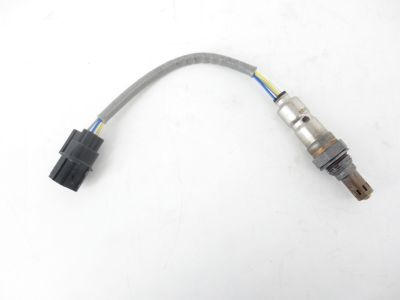
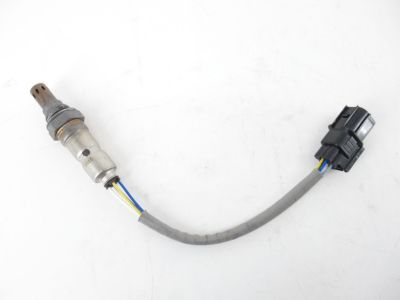
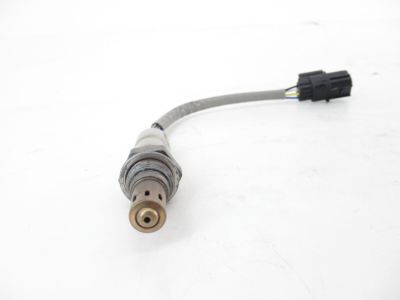
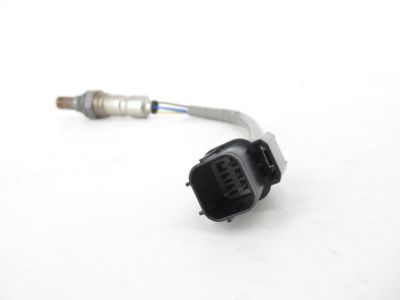
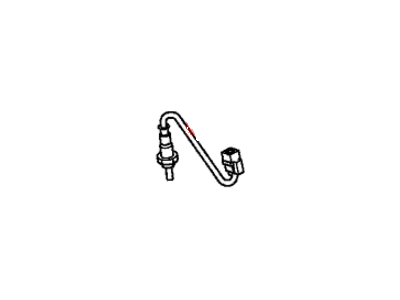
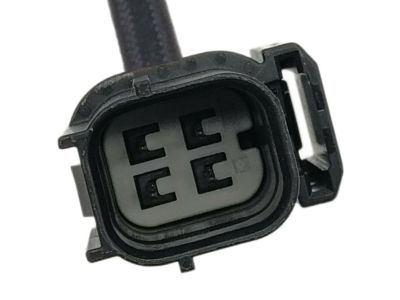
Honda Odyssey Sensor, Front Laf
Part Number: 36531-5G0-A11$214.49 MSRP: $310.85You Save: $96.36 (31%)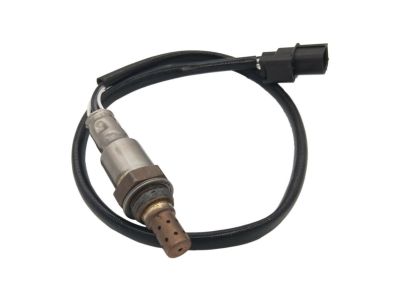
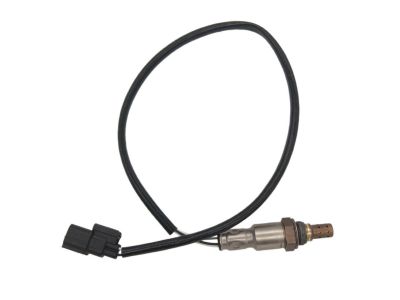

Honda Odyssey Front Oxygen Sensor
Part Number: 36532-R70-A01$139.36 MSRP: $201.97You Save: $62.61 (31%)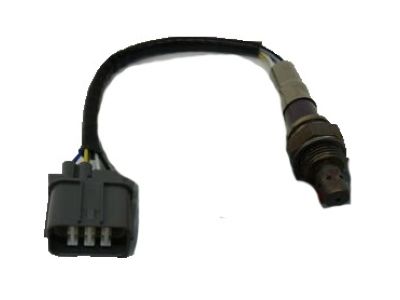
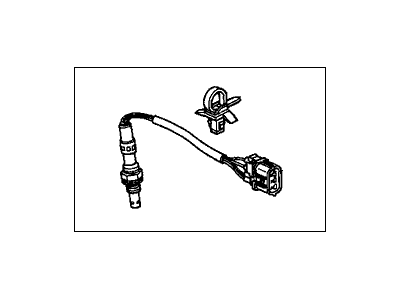
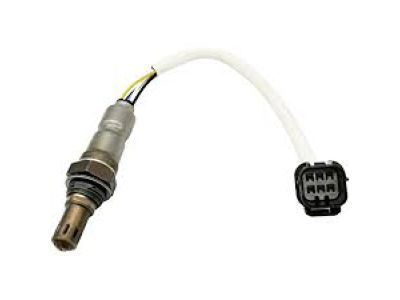
Honda Odyssey Sensor, Laf Front
Part Number: 36531-R70-A02$187.34 MSRP: $271.50You Save: $84.16 (31%)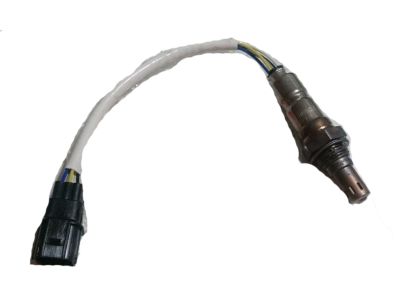
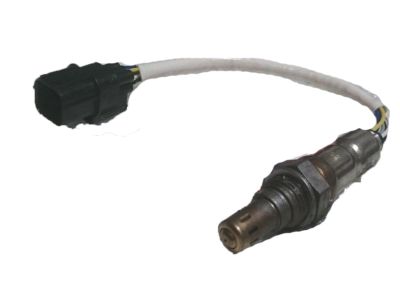
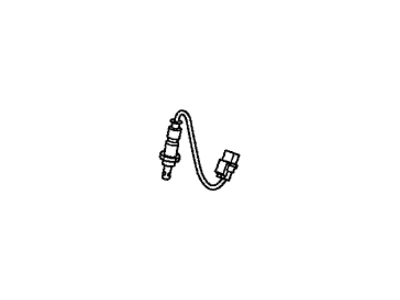
Honda Odyssey Sensor, Laf Rear
Part Number: 36541-R70-A02$180.82 MSRP: $264.35You Save: $83.53 (32%)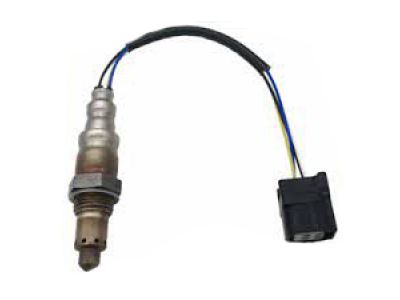
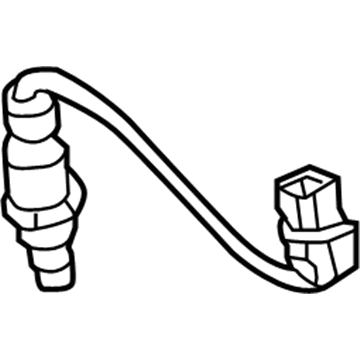
Honda Odyssey Front Oxygen Sensor
Part Number: 36532-5MR-A01$139.36 MSRP: $201.97You Save: $62.61 (31%)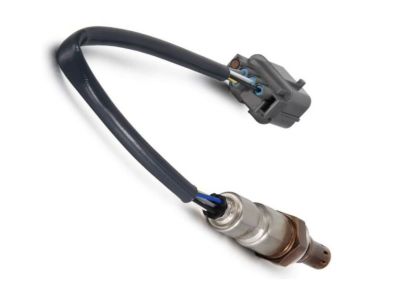
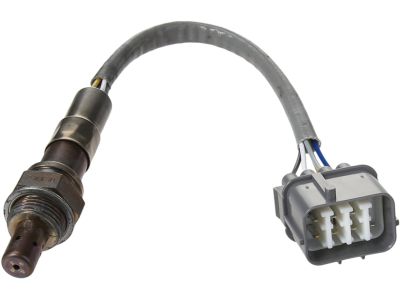
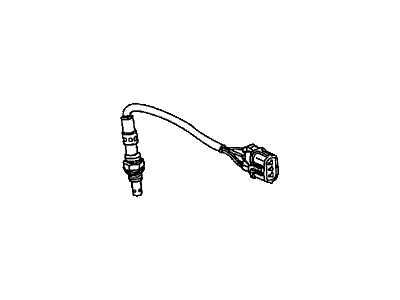
Honda Odyssey Sensor, Front Laf
Part Number: 36531-RDM-A01$249.39 MSRP: $361.43You Save: $112.04 (31%)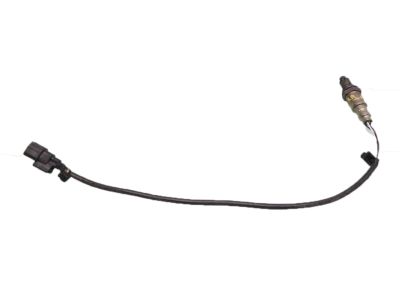
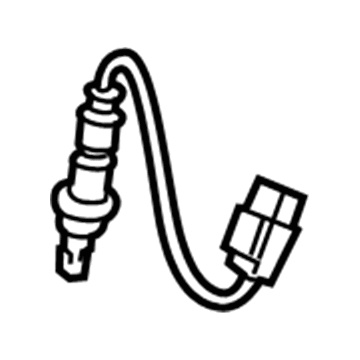
Honda Odyssey Rear Oxygen Sensor
Part Number: 36542-5MR-A01$139.36 MSRP: $201.97You Save: $62.61 (31%)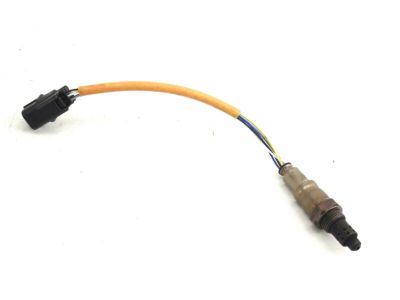
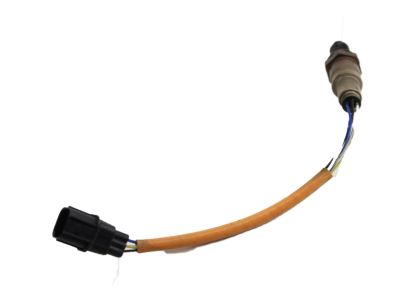
Honda Odyssey Sensor, Front Laf
Part Number: 36531-5MR-A01$214.69 MSRP: $311.15You Save: $96.46 (31%)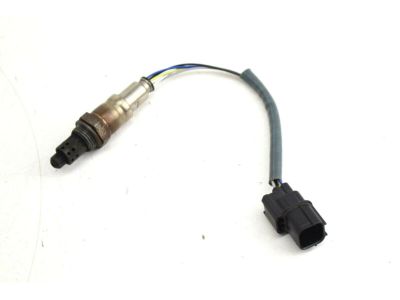
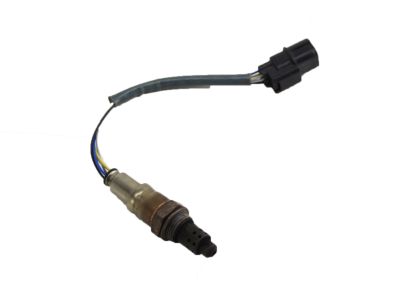
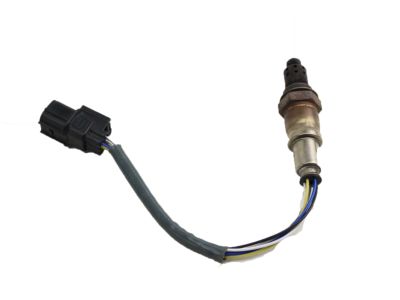
Honda Odyssey Sensor, Rear Laf
Part Number: 36541-5MR-A01$214.69 MSRP: $311.15You Save: $96.46 (31%)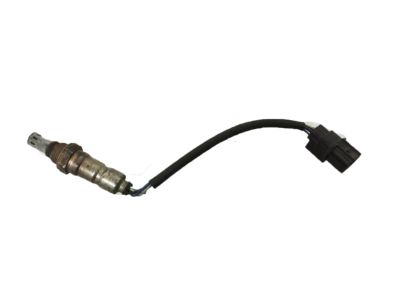
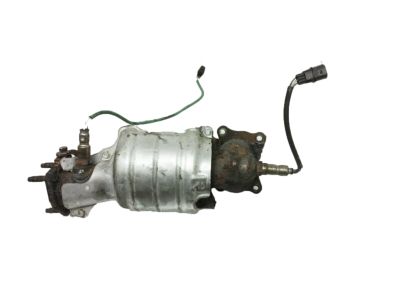
Honda Odyssey Sensor, Rear Laf
Part Number: 36541-RV0-A11$214.49 MSRP: $310.85You Save: $96.36 (31%)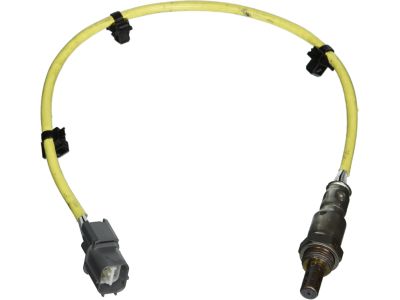
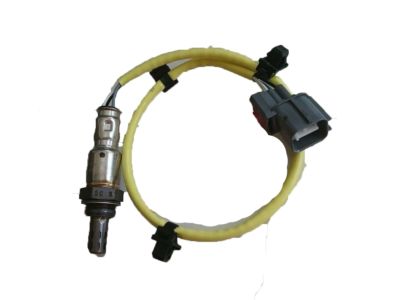
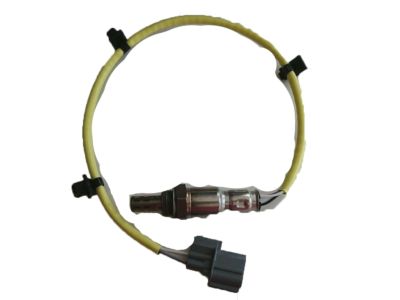
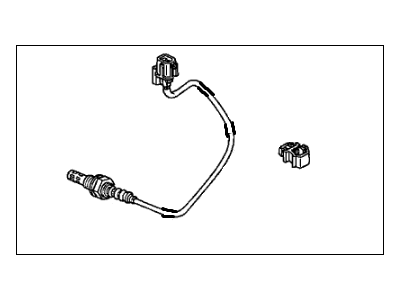
Honda Odyssey Sensor, Rear Secondary Oxygen
Part Number: 36542-RKB-004$194.89 MSRP: $282.45You Save: $87.56 (31%)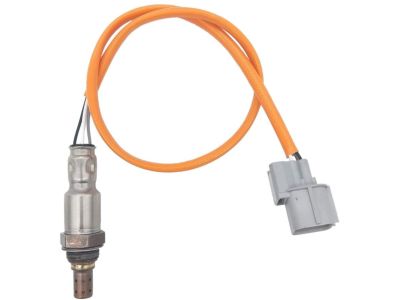
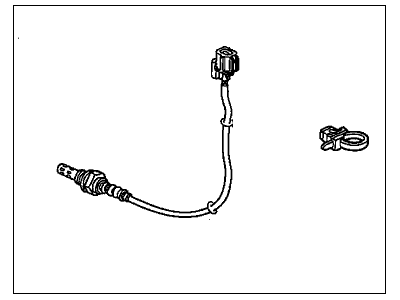
Honda Odyssey Sensor, Front Secondary Oxygen
Part Number: 36532-RJA-004$649.75 MSRP: $949.93You Save: $300.18 (32%)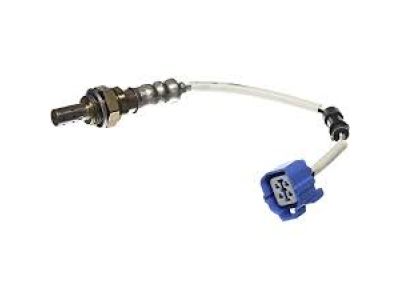
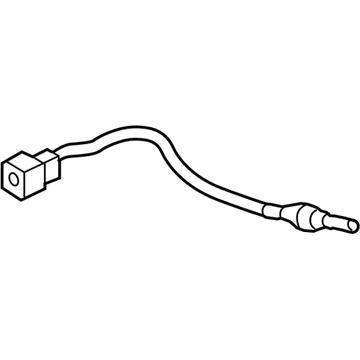
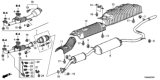
Honda Odyssey Front Oxygen Sensor
Part Number: 36532-RV0-A01$139.36 MSRP: $201.97You Save: $62.61 (31%)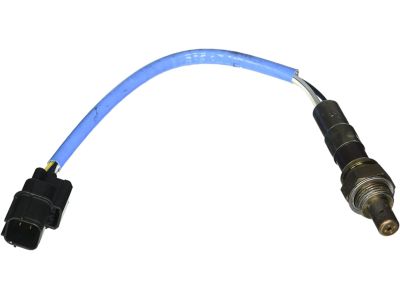
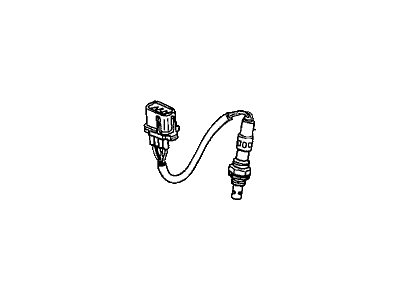
Honda Odyssey Sensor, Rear Laf
Part Number: 36541-RYE-A01$212.43 MSRP: $307.87You Save: $95.44 (31%)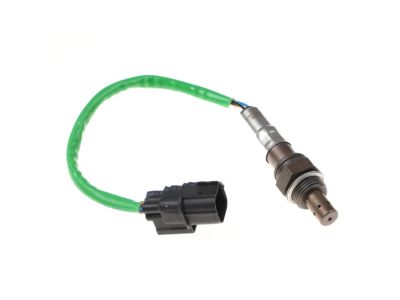
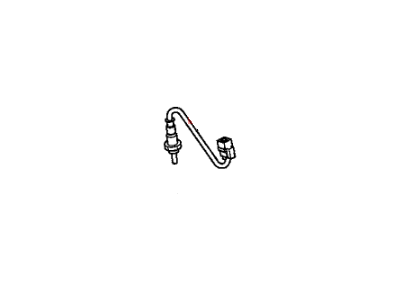
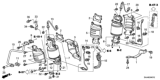
Honda Odyssey Sensor, Front Laf
Part Number: 36531-RGW-A01$214.49 MSRP: $310.85You Save: $96.36 (31%)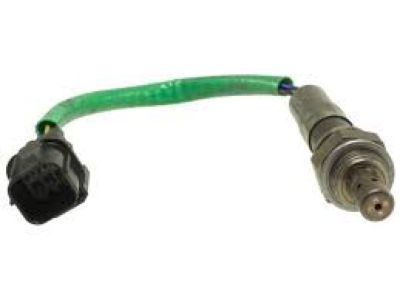
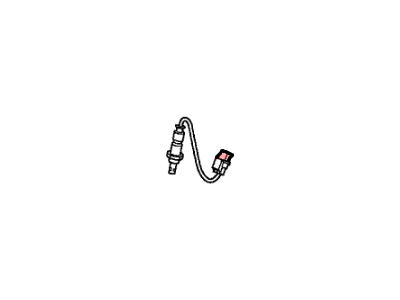
Honda Odyssey Sensor, Rear Laf
Part Number: 36541-RGW-A01$214.49 MSRP: $310.85You Save: $96.36 (31%)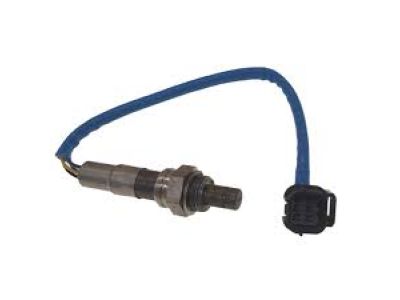
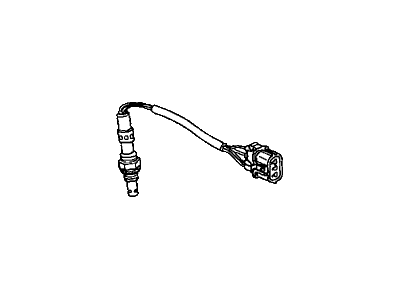
Honda Odyssey Sensor, Front Laf
Part Number: 36531-RYE-A01$214.49 MSRP: $310.85You Save: $96.36 (31%)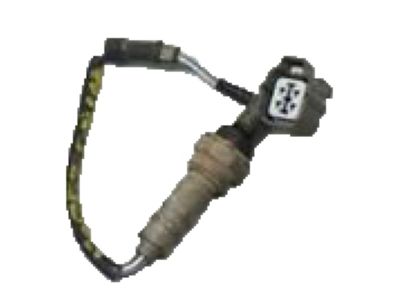
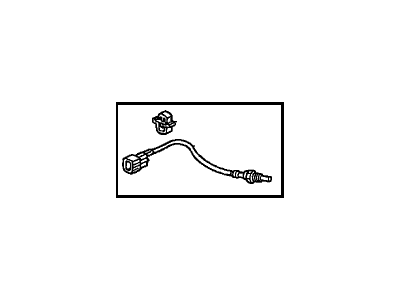
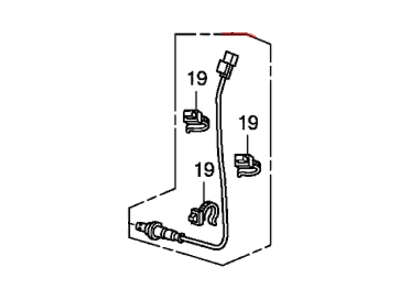
Honda Odyssey Rear Oxygen Sensor
Part Number: 36542-R70-A01$139.36 MSRP: $201.97You Save: $62.61 (31%)
| Page 1 of 2 |Next >
1-20 of 33 Results
Honda Odyssey Oxygen Sensor
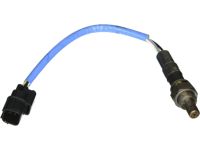
Oxygen sensors which are usually located in the exhaust pipe of Honda Odyssey are important tools used in the regulation of the ratio of unburned oxygen in the exhaust hence the air- fuel mixture ratio. Responding to oxygen content, the sensor gives information to the engine control computer helping it to vary the fuel injector pulse width for combustion. Honda Odyssey cars commonly fit zirconium dioxide type oxygen sensors which can be of both the narrow band and the wide band varieties. Narrow-band sensors produce oscillated rich/lean signals and on the other hand, wide-band sensors give a comprehensive range of air-fuel mixture signaling. In the long run, these sensors can foul due to contamination and thereby cause high levels of emission and reduced fuel economy. As for the Honda Odyssey, the factors that affects the performance of the car emphasized that monitoring and maintenance of the Oxygen Sensor is crucial.
In search of affordable OEM Honda Odyssey Oxygen Sensor? Consider browsing through our extensive inventory of genuine Honda Odyssey Oxygen Sensor. Not only do we provide market-leading prices and a manufacturer's warranty, but we also pride ourselves on exceptional customer service and swift delivery.
Honda Odyssey Oxygen Sensor Parts Questions & Experts Answers
- Q:How to properly service and install an oxygen sensor on Honda Odyssey?A:Because it is installed in the exhaust manifold or pipe, both of which contract when cool, an oxygen sensor might be very difficult to loosen when the engine is cold. Rather than risk damage to the sensor or its mounting threads, start and run the engine for a minute or two, then shut it off. Be careful not to burn yourself during the following procedure. Remove the key from the ignition key lock cylinder, raise the vehicle, and place it securely on jackstands. Special care must be taken whenever a sensor is serviced. Oxygen sensors have a permanently attached pigtail and an electrical connector that cannot be removed; damaging or removing the pigtail or electrical connector will render the sensor useless. Keep grease, dirt, and other contaminants away from the electrical connector and the louvered end of the sensor. Do not use cleaning solvents of any kind on an oxygen sensor, as they are extremely delicate. Avoid dropping or throwing the sensor around or handling it roughly. Ensure that the silicone boot on the sensor is installed in the correct position to prevent melting and ensure proper operation. Detach the wire harness clip and disconnect the upstream oxygen sensor electrical connector by squeezing the two locator pins together and pulling the clip out of its bracket, then depress the locking tab to disconnect the electrical connector. Remove the upstream oxygen sensor using a wrench, as there isn't room for an oxygen sensor socket. If installing the old sensor, apply anti-seize compound to the threads to facilitate future removal; for a new oxygen sensor, applying anti-seize compound is unnecessary since the threads already have it. Installation is the reverse of removal, ensuring the oxygen sensor is tightened to the specified torque. For the downstream oxygen sensor, detach the wire harness clip and disconnect the electrical connector, then remove the sensor using an oxygen sensor socket or a wrench if one is not available. Again, if installing the old sensor, apply anti-seize compound to the threads, while it is not necessary for a new sensor. Installation follows the same reverse procedure, ensuring proper torque is applied.
Related Honda Odyssey Parts
 Honda Odyssey Catalytic Converter
 Honda Odyssey Engine Control Module
 Honda Odyssey Canister Purge Valve
 Honda Odyssey Knock Sensor
 Honda Odyssey Ambient Temperature Sensor
 Honda Odyssey Vapor Canister
 Honda Odyssey Temperature Sender
 Honda Odyssey Yaw Sensor
 Honda Odyssey EGR Filter
Browse by Year
2026 Oxygen Sensor 2025 Oxygen Sensor 2024 Oxygen Sensor 2023 Oxygen Sensor 2022 Oxygen Sensor 2021 Oxygen Sensor 2020 Oxygen Sensor 2019 Oxygen Sensor 2018 Oxygen Sensor 2017 Oxygen Sensor 2016 Oxygen Sensor 2015 Oxygen Sensor 2014 Oxygen Sensor 2013 Oxygen Sensor 2012 Oxygen Sensor 2011 Oxygen Sensor 2010 Oxygen Sensor 2009 Oxygen Sensor 2008 Oxygen Sensor 2007 Oxygen Sensor 2006 Oxygen Sensor 2005 Oxygen Sensor 2004 Oxygen Sensor 2003 Oxygen Sensor 2002 Oxygen Sensor 2001 Oxygen Sensor 2000 Oxygen Sensor 1999 Oxygen Sensor 1998 Oxygen Sensor 1997 Oxygen Sensor 1996 Oxygen Sensor 1995 Oxygen Sensor