×
- Hello
- Login or Register
- Quick Links
- Live Chat
- Track Order
- Parts Availability
- RMA
- Help Center
- Contact Us
- Shop for
- Honda Parts
- Honda Accessories

My Garage
My Account
Cart
Genuine Honda Prelude Coolant Temperature Sensor
Coolant Water Temperature Sensor- Select Vehicle by Model
- Select Vehicle by VIN
Select Vehicle by Model
orMake
Model
Year
Select Vehicle by VIN
For the most accurate results, select vehicle by your VIN (Vehicle Identification Number).
7 Coolant Temperature Sensors found
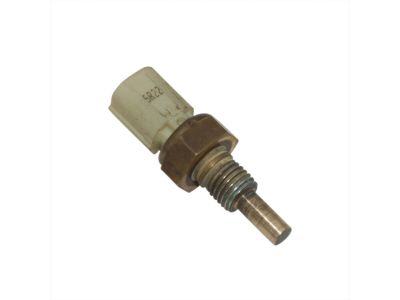
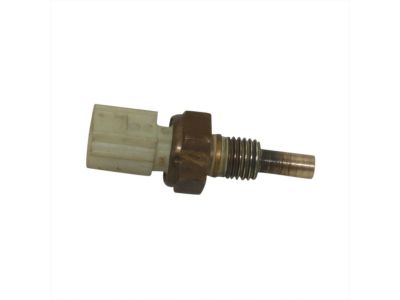
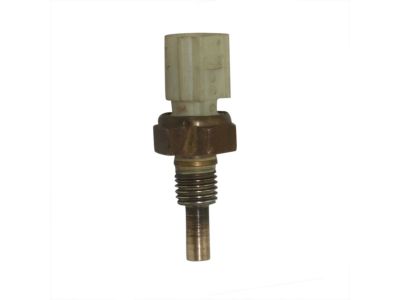
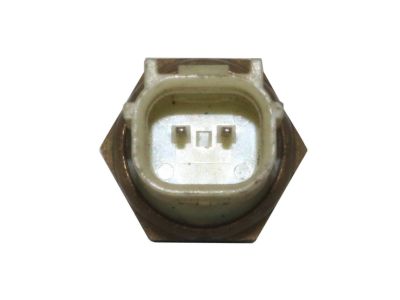
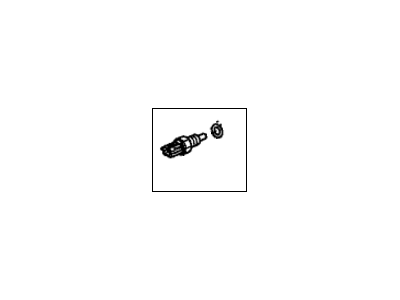
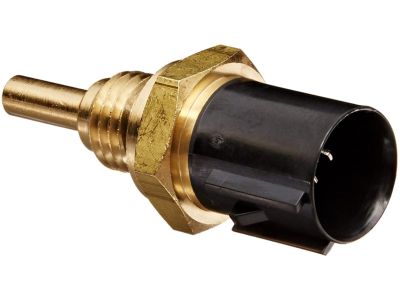
Honda Prelude Sensor Assembly, Water Temperature (Panasonic)
Part Number: 37870-RWC-A01$30.78 MSRP: $43.85You Save: $13.07 (30%)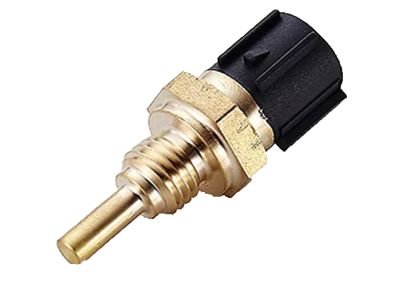
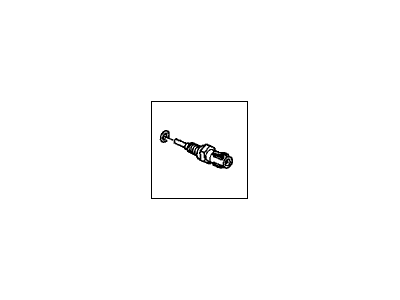
Honda Prelude Sensor Assembly, Water Temperature (Tw5) (Matsushita)
Part Number: 37870-PJ7-003$96.71 MSRP: $136.61You Save: $39.90 (30%)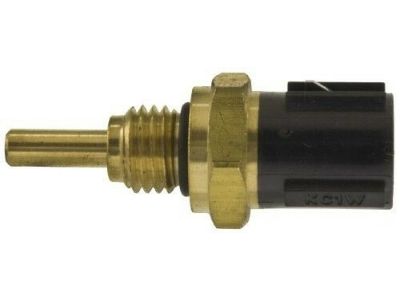
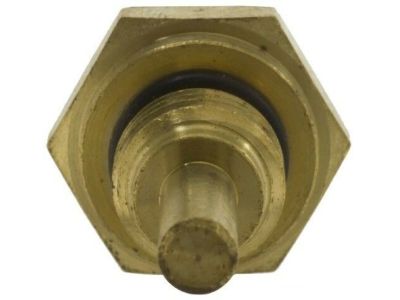
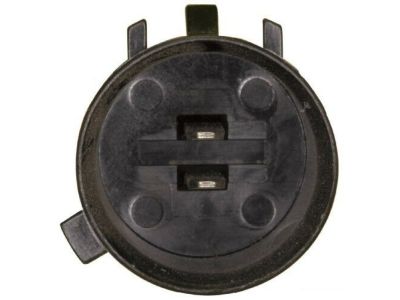
Honda Prelude Sensor Assembly, Water Temperature (Hadsys)
Part Number: 37870-PK2-015$96.62 MSRP: $136.47You Save: $39.85 (30%)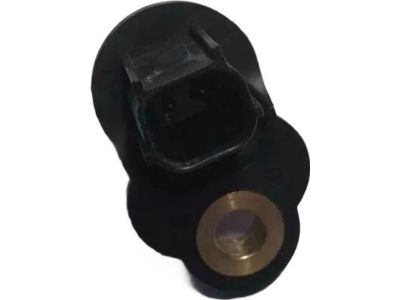
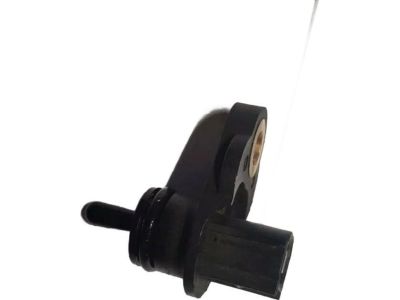
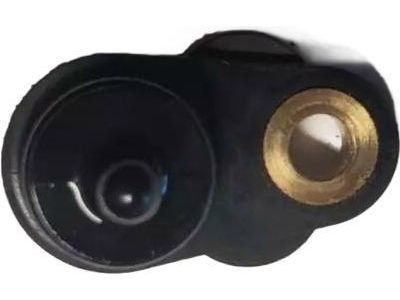
Honda Prelude Sensor Assembly (Atf)
Part Number: 1A710-6D3-004$29.16 MSRP: $41.18You Save: $12.02 (30%)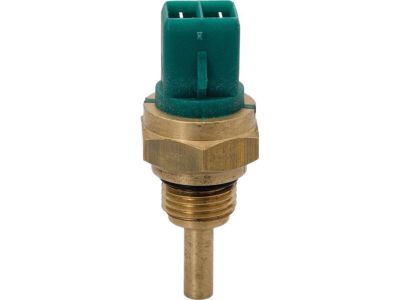
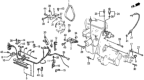
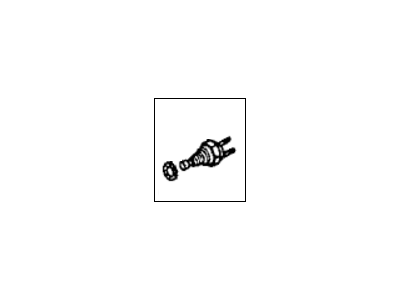

Honda Prelude Coolant Temperature Sensor
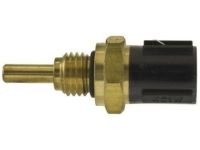
The Coolant Temperature Sensor in Honda vehicles particularly those of Prelude is an important part that regulate the temperature of the coolant in order to monitor the efficiency of the engine. Located at the coolant outlet, this sensor measures the temperature of the coolant in order to control relevant operating conditions of the engine. Different types or kinds of Coolant Temperature Sensors may be used in different models of Prelude or Models may have different styles of Coolant Temperature Sensors depending on its use. Ordinarily, it is core to fathom some of the functions of the vehicle to make sure that it will endure for a very long time and that is why anyone managing a car has to comprehend the use of the Coolant Temperature Sensor.
In search of affordable OEM Honda Prelude Coolant Temperature Sensor? Consider browsing through our extensive inventory of genuine Honda Prelude Coolant Temperature Sensor. Not only do we provide market-leading prices and a manufacturer's warranty, but we also pride ourselves on exceptional customer service and swift delivery.
Honda Prelude Coolant Temperature Sensor Parts Questions & Experts Answers
- Q:How is the Coolant Temperature Sensor information conveyed to the instrument panel and how can the gauge sending unit be tested on a Honda Prelude?A:The coolant temperature information is conveyed to the instrument panel through the PCM from the Engine Coolant Temperature (ECT) gauge sending unit. To test the gauge sending unit, first ensure the gauge and its wiring are functioning properly. Begin by checking the fuses, then with the ignition switch OFF, disconnect the wire from the ECT gauge sending unit and ground it to a known good point on the engine block using a jumper wire. Turn the ignition switch to the ON position and observe the ECT gauge; it should move towards the hot ("H") mark. If the pointer does not move or moves erratically, check for an open circuit or high resistance in the wire, and if the wire is fine, replace the gauge. If the issue persists, disconnect the yellow/green wire from the ECT gauge sending unit, connect an ohmmeter to the terminal where the wire was attached and a good ground on the engine block. The resistance should be 142 ohms at 133°F (56°C) and 32-49 ohms at temperatures between 185-212°F (85-100°C). When removing the ECT gauge sending unit, allow the engine to cool below 100°F (37°C) to prevent burns from spraying coolant. Note the anti-theft code and radio presets, then locate and disconnect the negative battery cable and the ECT gauge sending unit electrical connection. Drain the coolant into a sealable container and remove the sending unit using a pressure switch socket or box-end wrench. For installation, apply a sensor-safe liquid thread sealant to the threads, install the new sensor, and tighten to 7 ft. lbs. (9 Nm). Refill the engine with a 50/50 solution of water and Honda approved or equivalent coolant, reconnect the negative battery cable, enter the anti-theft code and radio presets, start the engine, allow it to reach operating temperature, check for leaks, and bleed the cooling system to remove air as necessary.
Related Honda Prelude Parts
 Honda Prelude Oxygen Sensor
 Honda Prelude MAP Sensor
 Honda Prelude Knock Sensor
 Honda Prelude Crankshaft Position Sensor
 Honda Prelude Temperature Sender
 Honda Prelude Mass Air Flow Sensor
 Honda Prelude Camshaft Position Sensor
 Honda Prelude Parking Assist Distance Sensor
 Honda Prelude Throttle Position Sensor
Browse by Year
2026 Coolant Temperature Sensor 2001 Coolant Temperature Sensor 2000 Coolant Temperature Sensor 1999 Coolant Temperature Sensor 1998 Coolant Temperature Sensor 1997 Coolant Temperature Sensor 1996 Coolant Temperature Sensor 1995 Coolant Temperature Sensor 1994 Coolant Temperature Sensor 1993 Coolant Temperature Sensor 1992 Coolant Temperature Sensor 1991 Coolant Temperature Sensor 1990 Coolant Temperature Sensor 1989 Coolant Temperature Sensor 1988 Coolant Temperature Sensor 1987 Coolant Temperature Sensor 1986 Coolant Temperature Sensor 1985 Coolant Temperature Sensor 1984 Coolant Temperature Sensor 1983 Coolant Temperature Sensor 1982 Coolant Temperature Sensor 1981 Coolant Temperature Sensor 1980 Coolant Temperature Sensor 1979 Coolant Temperature Sensor