×
- Hello
- Login or Register
- Quick Links
- Live Chat
- Track Order
- Parts Availability
- RMA
- Help Center
- Contact Us
- Shop for
- Honda Parts
- Honda Accessories

My Garage
My Account
Cart
Genuine Honda Prelude Thermostat
Engine Coolant Thermostat- Select Vehicle by Model
- Select Vehicle by VIN
Select Vehicle by Model
orMake
Model
Year
Select Vehicle by VIN
For the most accurate results, select vehicle by your VIN (Vehicle Identification Number).
15 Thermostats found
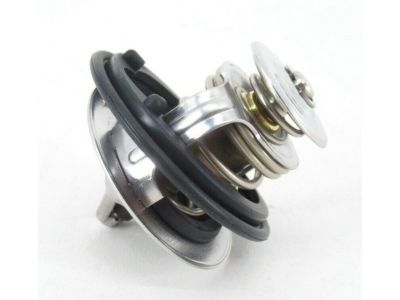
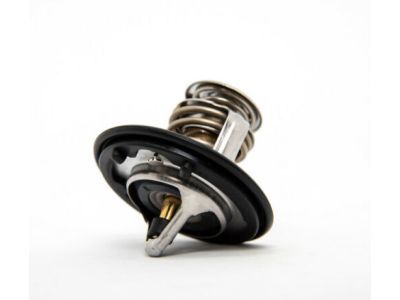
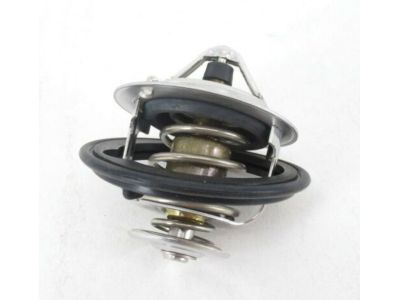
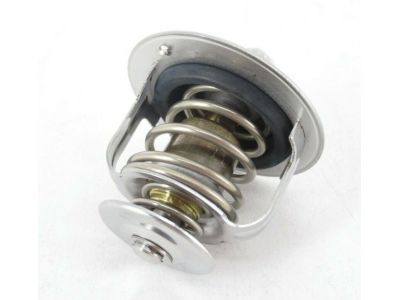
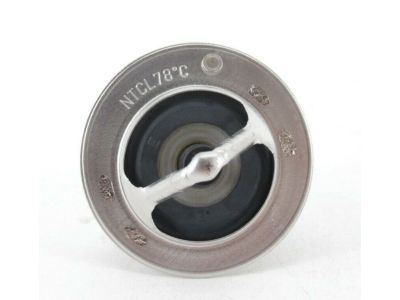
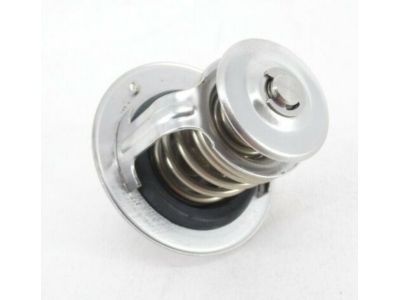
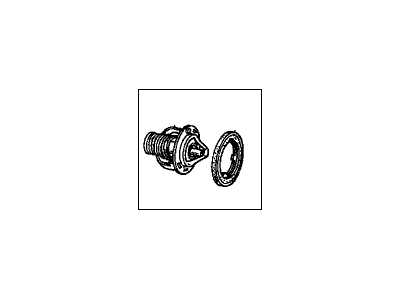
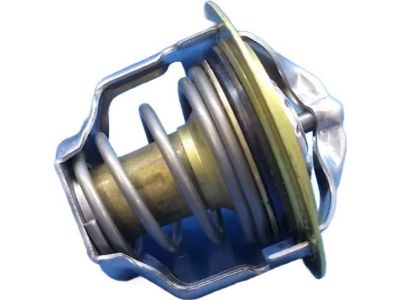
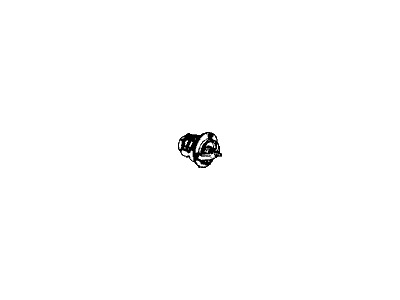
Honda Prelude Thermostat Assembly (Nippon Thermostat)
Part Number: 19301-PAA-306$42.32 MSRP: $60.28You Save: $17.96 (30%)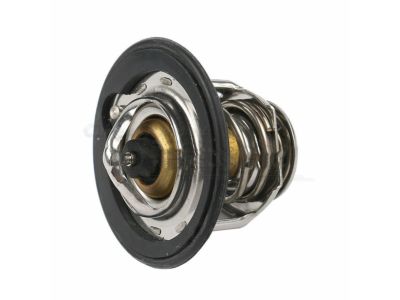
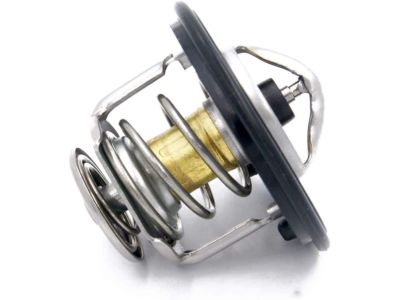
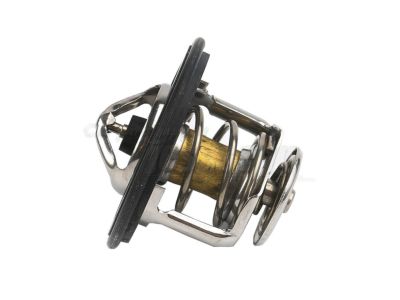
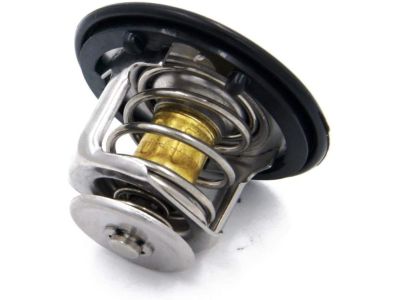
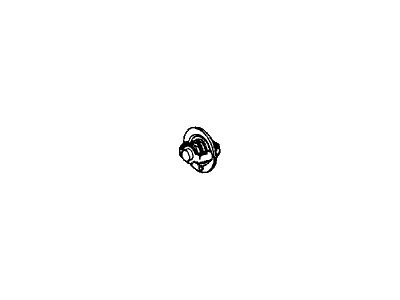
Honda Prelude Thermostat Assembly (Nippon Thermostat)
Part Number: 19301-P08-316$42.32 MSRP: $60.28You Save: $17.96 (30%)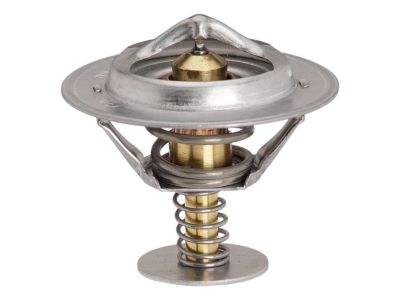
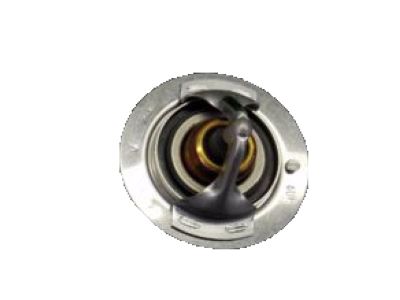
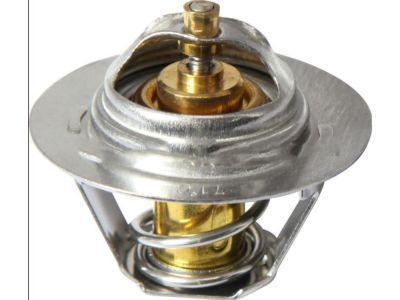
Honda Prelude Thermostat Assembly (Fuji Thompson)
Part Number: 19301-P13-305$52.06 MSRP: $73.53You Save: $21.47 (30%)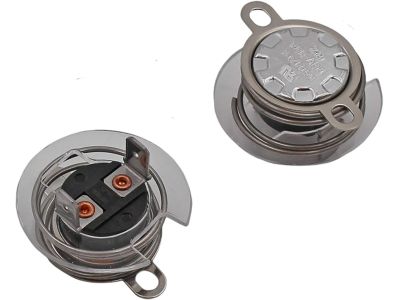
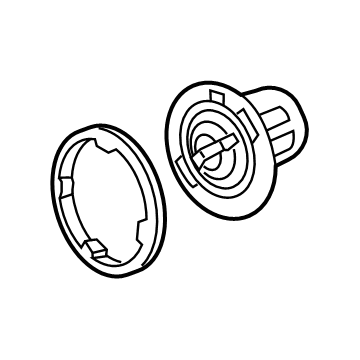
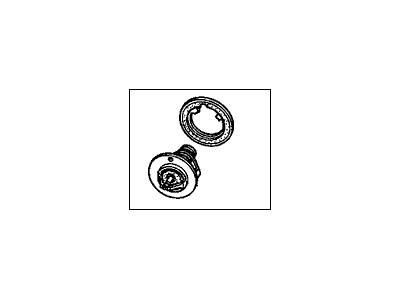
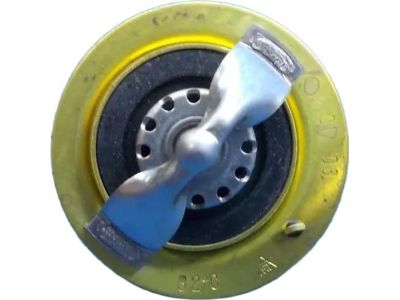
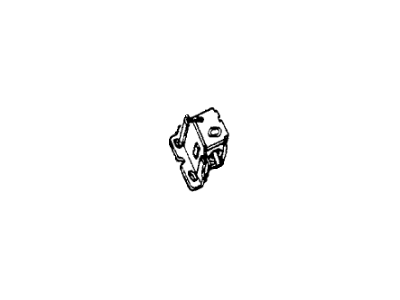
Honda Prelude Thermostat Assembly
Part Number: 06193-6C1-305$67.37 MSRP: $97.63You Save: $30.26 (31%)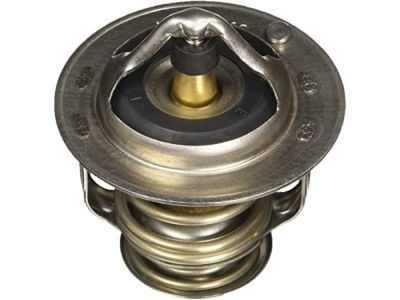


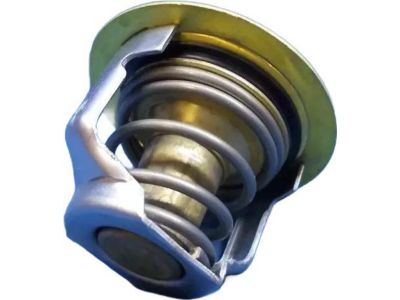
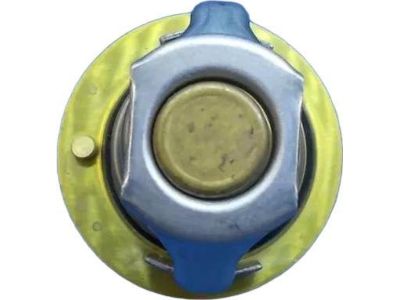
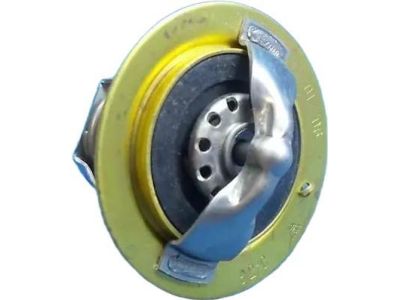


Honda Prelude Thermostat
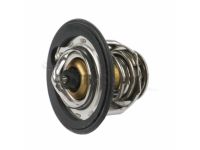
The Thermostat is extremely important in the Honda Prelude cars because it controls heat flow to and from the engines making sure that the temperatures are ideal. Attached close to the radiator, the Thermostat is a type of closed-loop control that is able to read temperatures, and control the flow of coolant and will turn on and off the circulation system as appropriate. Honda Prelude models over the years have employed various kinds of Thermostats including mechanical such as the bimetallic strip and Thermostat which contains wax pellet. These wax pellet thermostats change their size in proportion to changes in temperature which means that they control heat of the engine. Such development of these Thermostats may be attributed to improvements of automotive technology that improved the cooling system of Honda Prelude.
In search of affordable OEM Honda Prelude Thermostat? Consider browsing through our extensive inventory of genuine Honda Prelude Thermostat. Not only do we provide market-leading prices and a manufacturer's warranty, but we also pride ourselves on exceptional customer service and swift delivery.
Honda Prelude Thermostat Parts Questions & Experts Answers
- Q:What precautions should be taken when removing and installing the thermostat to avoid burns and ensure safety on Honda Prelude?A:While removing and installing the thermostat avoid exposure to high temperature steam and hot coolant, never work on the Radiator or the cooling system with the engine running. Note that ethylene glycol used in antifreeze solution is poisonous to pets because of which it is advisable to store the coolant in a sealed container , and reuse it if not contaminated and /or expired. First, get acquainted with the radio security code and stations presets then remove the negative cable. To do so, wrap a sealable container with sufficient capacity to hold the engine coolant below the thermostat level and remove the tension from the clamp using the pliers then, remove the hose from the thermostat housing. In this step, the fasteners have to be unscrewed, as well as the thermostat housing, after which one has to take out a thermostat. For installation tighten thermostat housing with retaining bolts, while using new seal of thermostat, make sure that any small bleed is in the top position, and apply anti-seize compound on the thread of the fasteners. Connect the hose, tighten it with the clamp, turn on the heater to full hot and if the car has a 2.2L or 2.3L engine the bleed the coolant from the overflow hose at the bottom of the thermostat housing. The performance checks include a 50/50 blend of antifreeze and distilled water to avoid mineral buildup, fill the cooling system and the overflow, recover to remove air in the system while applying pressure to the radiator hoses. Check all the hoses and the fittings if they are properly connected and in proper position, shut the bleed valve if it is open, reconnect the negative terminal of the battery, and just fit the radiator cap loosely. Leave the engine to idle for approximately 10 to 12 minutes after which you get to hear the cooling fan to turn twice; shut off the engine and check on the level of the cooling system as required. Last, replace the radiator cap and check for some extra leaks if any before going further to input the radio security code.
Related Honda Prelude Parts
 Honda Prelude Water Pump
 Honda Prelude Radiator
 Honda Prelude Thermostat Gasket
 Honda Prelude Radiator Support
 Honda Prelude Cooling Hose
 Honda Prelude Fan Motor
 Honda Prelude Coolant Reservoir
 Honda Prelude Fan Shroud
 Honda Prelude Fan Blade
 Honda Prelude Radiator Hose
 Honda Prelude Thermostat Housing
 Honda Prelude Water Pump Gasket
Browse by Year
2026 Thermostat 2001 Thermostat 2000 Thermostat 1999 Thermostat 1998 Thermostat 1997 Thermostat 1996 Thermostat 1995 Thermostat 1994 Thermostat 1993 Thermostat 1992 Thermostat 1991 Thermostat 1990 Thermostat 1989 Thermostat 1988 Thermostat 1987 Thermostat 1986 Thermostat 1985 Thermostat 1984 Thermostat 1983 Thermostat 1982 Thermostat 1981 Thermostat 1980 Thermostat 1979 Thermostat