×
- Hello
- Login or Register
- Quick Links
- Live Chat
- Track Order
- Parts Availability
- RMA
- Help Center
- Contact Us
- Shop for
- Honda Parts
- Honda Accessories

My Garage
My Account
Cart
Genuine Honda Ridgeline Air Bag
Air Bag Module- Select Vehicle by Model
- Select Vehicle by VIN
Select Vehicle by Model
orMake
Model
Year
Select Vehicle by VIN
For the most accurate results, select vehicle by your VIN (Vehicle Identification Number).
30 Air Bags found
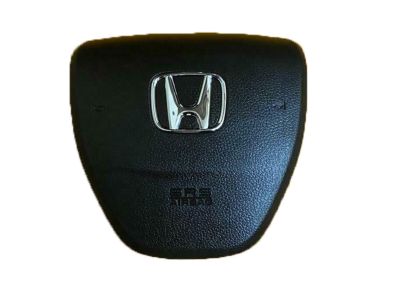
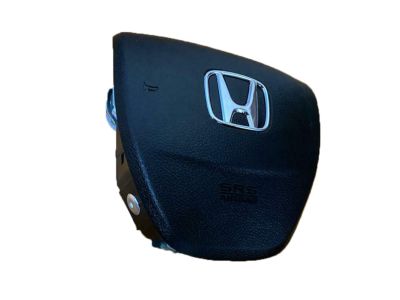
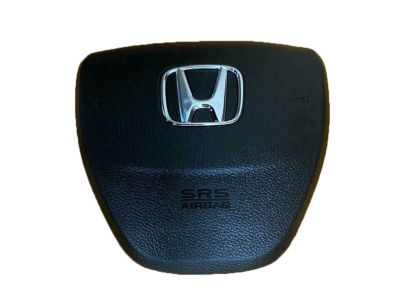
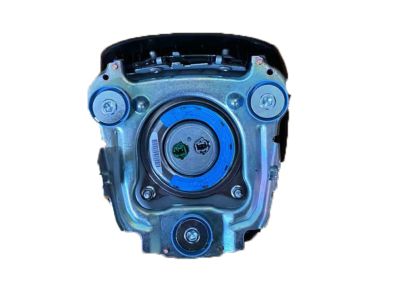
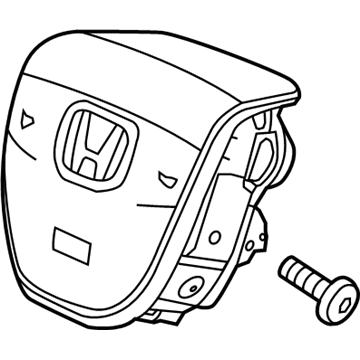
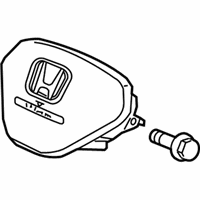
Honda Ridgeline Module Assembly, Driver (Deep Black)
Part Number: 77810-TG7-A80ZA$885.31 MSRP: $1294.32You Save: $409.01 (32%)
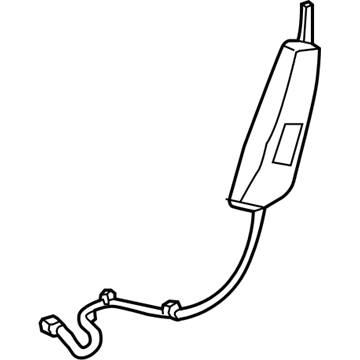
Honda Ridgeline Driver Side Module Assembly
Part Number: 78055-TG7-A81$490.38 MSRP: $716.93You Save: $226.55 (32%)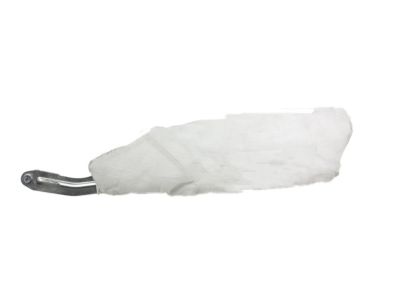
Honda Ridgeline Passenger Side Module Assembly
Part Number: 78050-TG7-A81$478.12 MSRP: $699.00You Save: $220.88 (32%)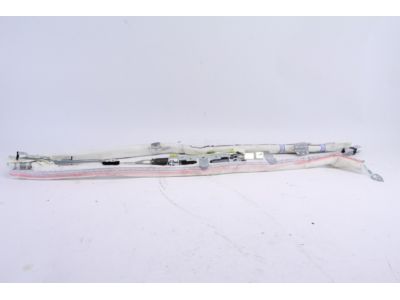
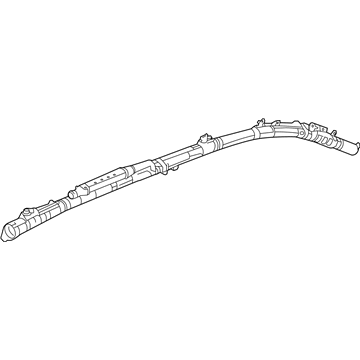
Honda Ridgeline Module Set, Passenger Side Curtain Airbag
Part Number: 78870-T6Z-A80$989.44 MSRP: $1446.56You Save: $457.12 (32%)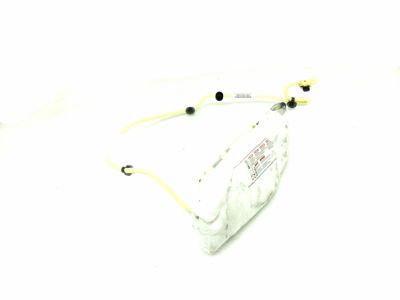
Honda Ridgeline Passenger Side Module Assembly
Part Number: 78050-TG7-A91$490.80 MSRP: $717.56You Save: $226.76 (32%)
Honda Ridgeline Driver Side Module Assembly
Part Number: 78055-TG7-A91$477.88 MSRP: $698.66You Save: $220.78 (32%)
Honda Ridgeline Module Set, Driver Side Curtain Airbag
Part Number: 78875-T6Z-A80$989.44 MSRP: $1446.56You Save: $457.12 (32%)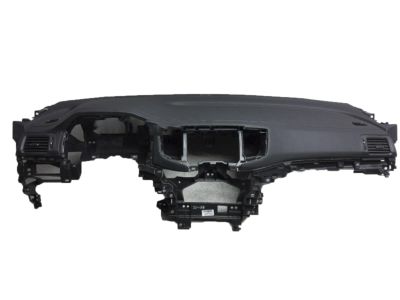
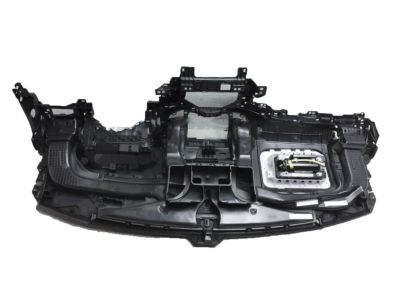
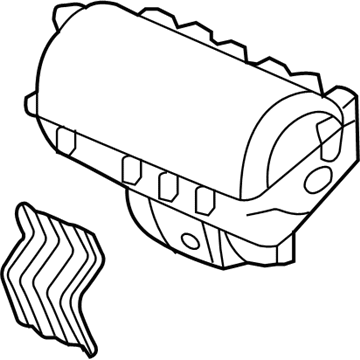
Honda Ridgeline Module Assembly, Passenger
Part Number: 77820-TG7-A80$937.79 MSRP: $1371.03You Save: $433.24 (32%)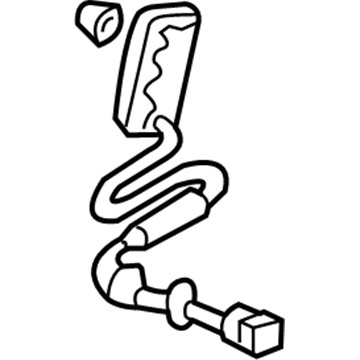
Honda Ridgeline Module Set, Passenger Side Airbag
Part Number: 78050-SJC-A61$433.71 MSRP: $634.08You Save: $200.37 (32%)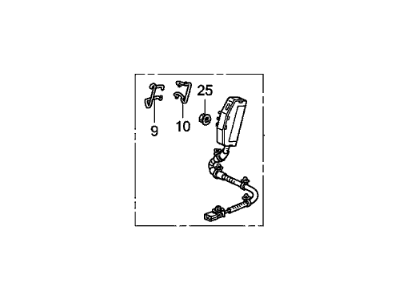
Honda Ridgeline Module Set, Driver Side Airbag
Part Number: 78055-SJC-A71$470.56 MSRP: $687.94You Save: $217.38 (32%)Honda Ridgeline Module Set, Driver Side Airbag
Part Number: 78055-SJC-A61$433.71 MSRP: $634.08You Save: $200.37 (32%)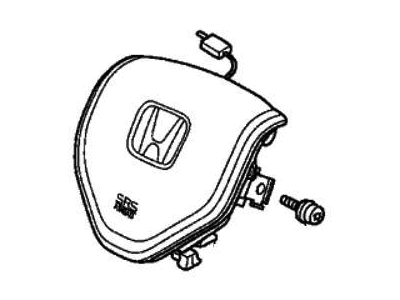
Honda Ridgeline Driver (Dark Gray)
Part Number: 77810-SJC-A42ZA$1033.25 MSRP: $1510.60You Save: $477.35 (32%)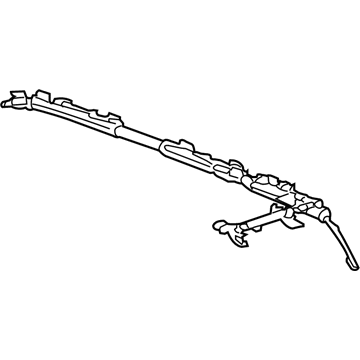
Honda Ridgeline Module, Passenger Side Si Curt Ab
Part Number: 78800-SJC-A83$1216.12 MSRP: $1777.95You Save: $561.83 (32%)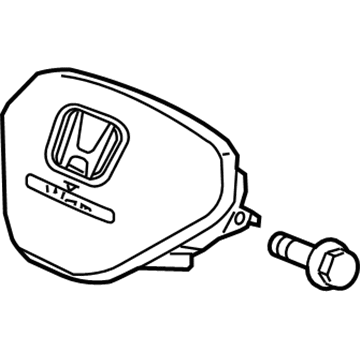
Honda Ridgeline Driver (Dark Gray)
Part Number: 77810-SJC-A52ZA$1657.94 MSRP: $2423.88You Save: $765.94 (32%)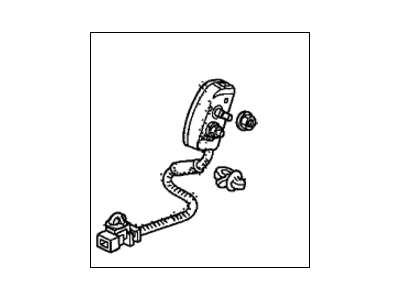
Honda Ridgeline Module Set, Passenger Side Airbag
Part Number: 78050-SJC-A80$474.40 MSRP: $693.56You Save: $219.16 (32%)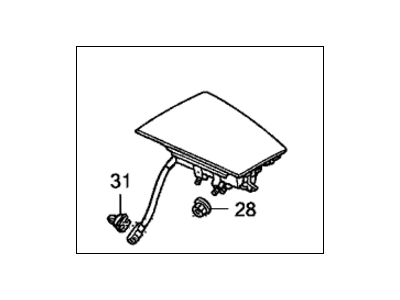
Honda Ridgeline Module, Pass (Dark Gray)
Part Number: 77820-SJC-A51ZB$1022.56 MSRP: $1494.97You Save: $472.41 (32%)Honda Ridgeline Set, As Module (Dark Gray)
Part Number: 77820-SJC-A31ZB$1044.08 MSRP: $1526.44You Save: $482.36 (32%)Honda Ridgeline Set, As Module (Warm Gray)
Part Number: 77820-SJC-A31ZA$1040.09 MSRP: $1520.60You Save: $480.51 (32%)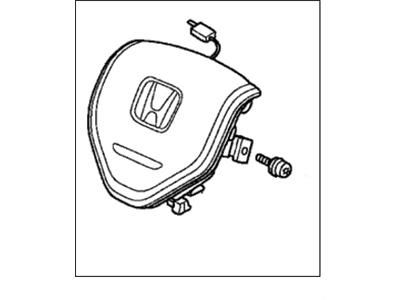
Honda Ridgeline Airbag (Dark Gray)
Part Number: 77810-SJC-L30ZB$958.16 MSRP: $1400.82You Save: $442.66 (32%)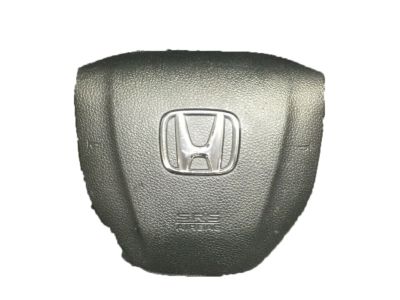
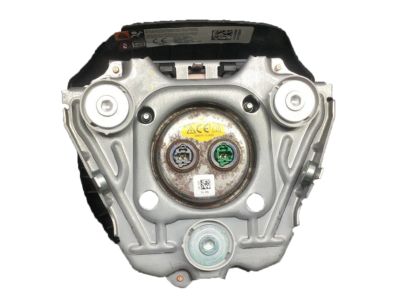
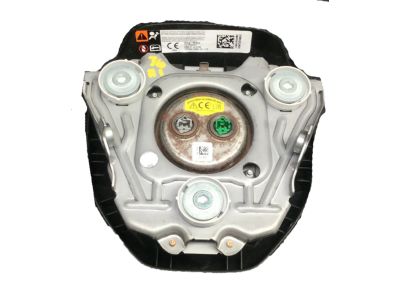
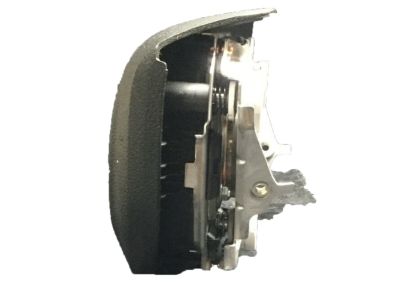
Honda Ridgeline Module Assembly, Driver (Deep Black) NEUTRAL BLACK
Part Number: 77810-THR-A81ZA$622.23 MSRP: $909.70You Save: $287.47 (32%)
| Page 1 of 2 |Next >
1-20 of 30 Results
Honda Ridgeline Air Bag
The Honda Ridgeline Air Bag serves a key function of cushioning against injury in case of a crash. Inside every recent model of this Honda pickup, the Ridgeline, the Air Bag system, which works with seat belts, uses crash sensors to fire a pyrotechnic inflator to fill the flexible fabric bag in milliseconds. A stored electrical charge holds the Air Bag in readiness even after the battery has been cut, and a dashboard lamp briefly lights up every time it starts to make sure that the circuit is healthy. Earlier generations only applied a single front unit, but the Honda Ridgeline line today may feature many modules like driver, passenger, side curtain, seat-mounted, knee bolster, and even door-mounted modules, all designed to protect the occupant from different angles of impact. The primary difference between these styles of Air Bags is where one is placed to allow the cushion to impact body parts that are likely to make contact with a steering wheel, pillar, roof rail, or windshield, while all share the same solid-propellant nitrogen inflation method that replaced older bulky gas bottles decades ago. By combining rapid inflation with gentle deflation, the Honda safety strategy enables the Ridgeline Air Bag network to reduce the head-on fatality risk relative to trucks that lacked such technology in the past. The Air Bag plays a crucial role in ensuring passenger safety.
In search of affordable OEM Honda Ridgeline Air Bag? Consider browsing through our extensive inventory of genuine Honda Ridgeline Air Bag. Not only do we provide market-leading prices and a manufacturer's warranty, but we also pride ourselves on exceptional customer service and swift delivery.
Honda Ridgeline Air Bag Parts Questions & Experts Answers
- Q:What is the purpose and function of the Supplemental Restraint System (SRS) and Air Bag on Honda Ridgeline?A:Airbags form part of the Supplemental Restraint System (SRS) which comes standard in all 2003 and later Acura and 2005 and later Honda models for protecting drivers and front seat passengers in front collisions. The system has specific components with crash sensors behind the front bumper while airbag assemblies function on both the steering wheel and passenger dashboard as well as side-impact airbags installed in the front seat back. These specific models include seat belt pre-tensioners which shorten the seat belt length when impacts become severe. During vehicle impacts the driver's side airbag inflator module finds its position within the steering wheel region while a clockspring transfers electricity signals to create airbag expansion. The instrument panel houses an airbag which can initiate inflation when the cover splits due to its enlarged size in comparison to the driver unit. During driver collisions the SRS control unit operates the airbag system even without a battery connection while startup inspections activate the "SAS light" if the system operates properly. To disable the system for approaching the steering wheel area and instrument panel the wheels need to be straight and key set to Lock mode followed by disconnecting the negative battery terminal for at least three minutes. Experts handling airbag modules should always position them with their opening directed toward the floor and away from their bodies while working. It is prohibited to test SAS components for electrical problems and airbag connectors need to be detached before using welding devices. Any live airbag module together with seat belt pre-tensioners requires a return to a dealer facility for proper disposal. To access the driver-side airbag module and clockspring requires following particular methods but there should be no reason to detach the passenger-side airbag except in emergency situations which demand disconnecting the instrument panel's electrical connectors. Side-impact airbags generally require removal only when a detection issue occurs yet they should be handled by a qualified repair facility.