×
- Hello
- Login or Register
- Quick Links
- Live Chat
- Track Order
- Parts Availability
- RMA
- Help Center
- Contact Us
- Shop for
- Honda Parts
- Honda Accessories

My Garage
My Account
Cart
Genuine Honda Ridgeline Catalytic Converter
Cat. Converter- Select Vehicle by Model
- Select Vehicle by VIN
Select Vehicle by Model
orMake
Model
Year
Select Vehicle by VIN
For the most accurate results, select vehicle by your VIN (Vehicle Identification Number).
13 Catalytic Converters found
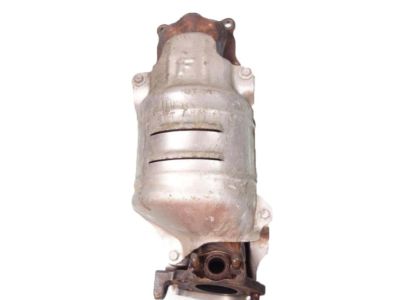
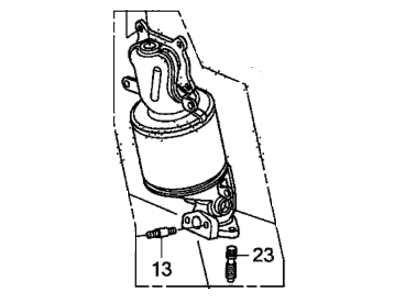
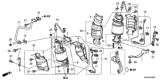
Honda Ridgeline Converter, Front Primary
Part Number: 18190-RN0-A01$1077.08 MSRP: $1572.83You Save: $495.75 (32%)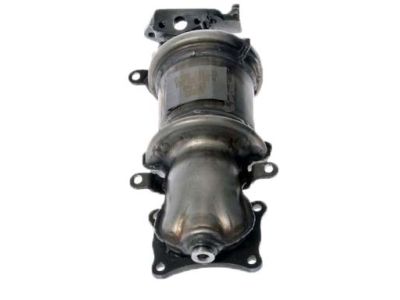
Honda Ridgeline Converter, Front Primary
Part Number: 18190-RN0-A10$1077.08 MSRP: $1572.83You Save: $495.75 (32%)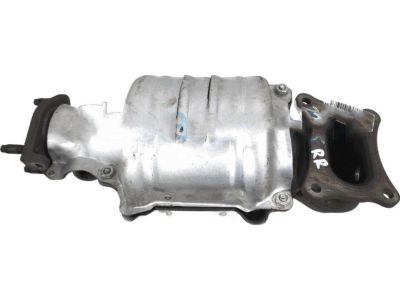
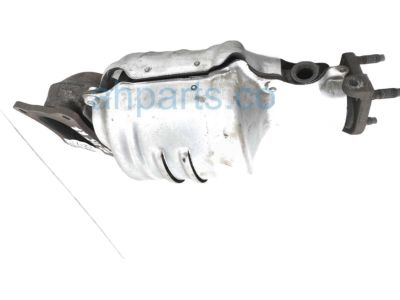
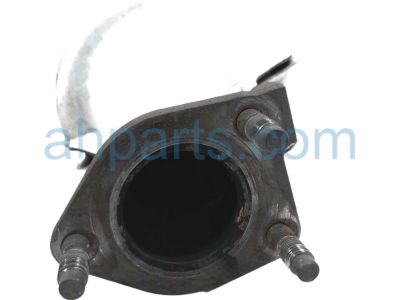
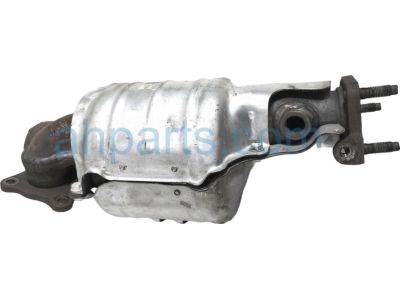
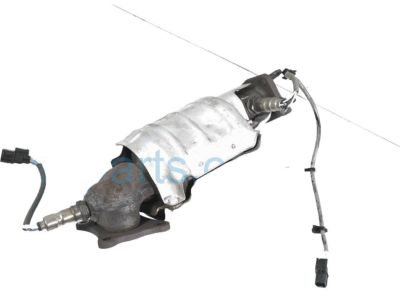
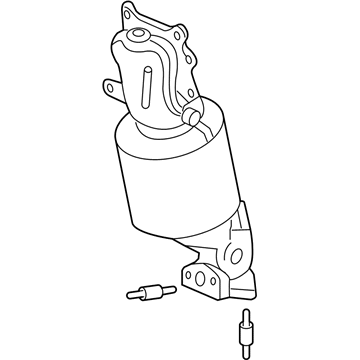
Honda Ridgeline Converter Assy., RR. Primary
Part Number: 18280-5MJ-A00$1152.02 MSRP: $1683.32You Save: $531.30 (32%)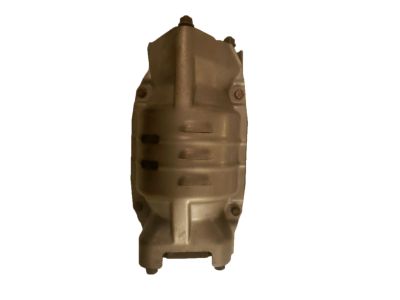
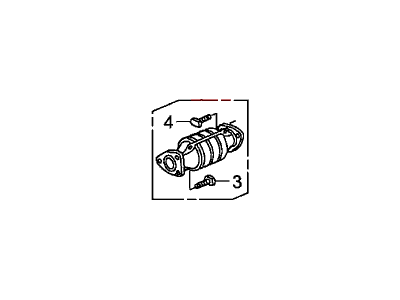
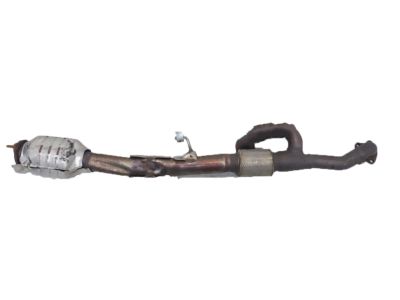
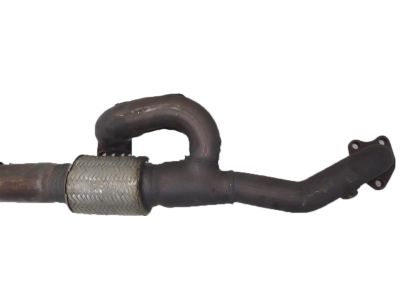
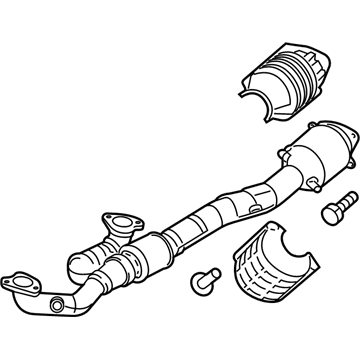
Honda Ridgeline Converter Assembly
Part Number: 18150-5MJ-A50$1499.56 MSRP: $2191.42You Save: $691.86 (32%)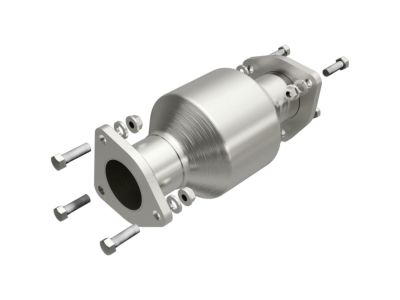
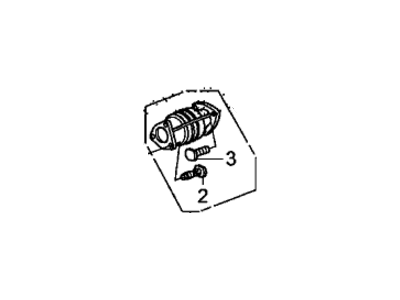
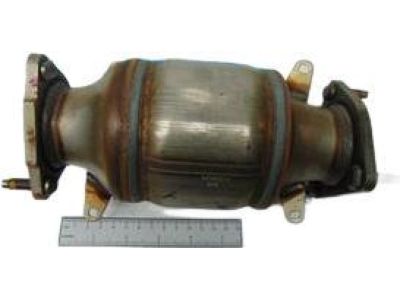
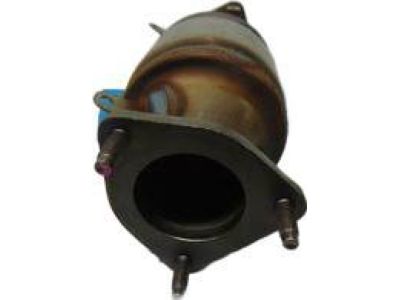
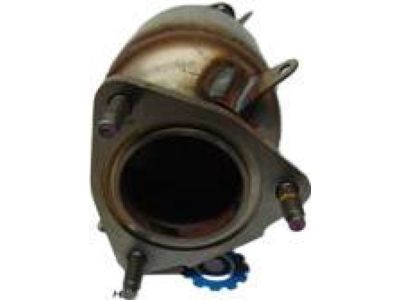
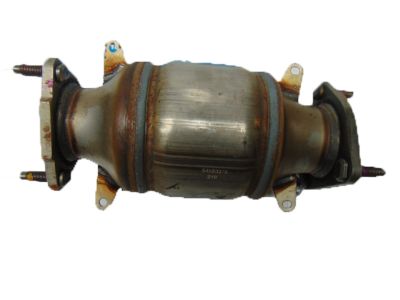
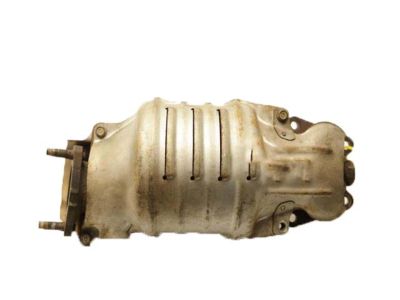
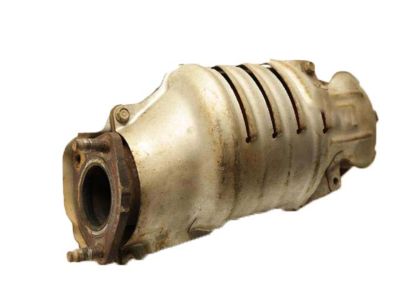
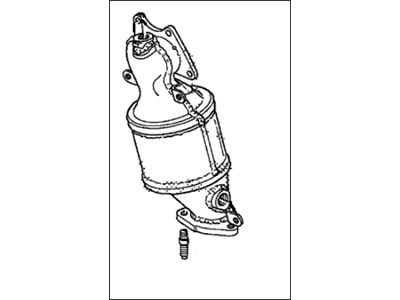
Honda Ridgeline Converter, Front Primary
Part Number: 18190-RJE-A00$934.51 MSRP: $1364.40You Save: $429.89 (32%)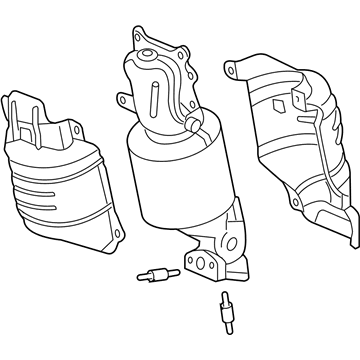
Honda Ridgeline Converter Assy., FR. Primary
Part Number: 18180-5MJ-A00$1146.57 MSRP: $1675.35You Save: $528.78 (32%)
Honda Ridgeline CONVERTER ASSY
Part Number: 18150-5MJ-A60$834.79 MSRP: $1215.85You Save: $381.06 (32%)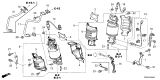
Honda Ridgeline CONVERTER ASSY-, RR
Part Number: 18280-5MJ-A10$1149.09 MSRP: $1675.35You Save: $526.26 (32%)Honda Ridgeline CONVERTER ASSY-, FR
Part Number: 18180-5MJ-A10$1149.09 MSRP: $1675.35You Save: $526.26 (32%)
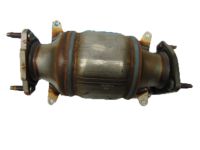
Honda Ridgeline Catalytic Converter
The Catalytic Converter is one of the major components of emission control system of Honda Ridgeline and it work to control emission in Automobiles and other machines by converting noxious gases such as Carbon Monoxide, Hydrocarbons and Oxides of Nitrogen to harmless components such as water, Carbon Dioxide and Nitrogen. This device has substances within it that act as a chemical agent that helps to speed up a reaction and is not consumed. The converter is normally constructed from a single honeycomb block of substratum and coated with some of the oxidation and reduction catalyst such as platinum, palladium, rhodium and others used to oxidize the CO and HC and to reduce the NOx. Honda Ridgeline has both, the direct converters and the universal converters, and the former are easier to install for the factory converter is replaced with the new one. Due to the use of high flow performance catalytic converters, the performance of the engine is optimized in terms of oxidation and reduction efficiency.
In search of affordable OEM Honda Ridgeline Catalytic Converter? Consider browsing through our extensive inventory of genuine Honda Ridgeline Catalytic Converter. Not only do we provide market-leading prices and a manufacturer's warranty, but we also pride ourselves on exceptional customer service and swift delivery.
Honda Ridgeline Catalytic Converter Parts Questions & Experts Answers
- Q:How to check for catalytic converter issues on the Honda Ridgeline?A:The dealer service department must choose whether to repair or replace the catalytic converter on these newer Acura and Honda models because their emissions-related part warranty covers them. A catalytic converter is an emission control device in the exhaust system that reduces pollutants, with two types: The oxidation converter uses a coated platinum and palladium honeycomb material to turn gases into cleaner outcomes, while the reduction converter uses the same substrate with platinum and rhodium to reduce various nitrogen-based emissions. A three-way catalyst uses both oxidation and reduction functions to get rid of all three pollutants, and every model in the lineup includes this feature. Under the car and bolted to each cylinder head are three pollution-control units known as catalytic converters. When you think something isn't working right, you should bring your car to a certified dealer or place that checks emissions for investigation. While servicing underbody parts, always look for damage, leakage, and corrosion on the converter assembly. Replace the entire assembly immediately when you see any problems. To test for an exhaust clog, turn on the engine, connect a vacuum gauge to the intake system, measure vacuum at idling, then snap the throttle wide open and shut quickly. Record readings. If the exhaust system is seriously clogged, we will know by measuring one vacuum reading that is less than one inch of mercury below our initial idle vacuum value. When replacing the part, you'll take off needed pieces like the cooling fan/cover, air conditioner fan/cover, work on the fuel, disconnect the Oxygen Sensors and boilers, and dump the old pictures between the engine and vehicle. Before starting work, always replace all gaskets and make sure each flange nut closes firmly.
Related Honda Ridgeline Parts
 Honda Ridgeline Oxygen Sensor
 Honda Ridgeline EGR Valve Gasket
 Honda Ridgeline Exhaust Manifold Gasket
 Honda Ridgeline Exhaust Hanger
 Honda Ridgeline EGR Valve
 Honda Ridgeline Exhaust Pipe
 Honda Ridgeline Muffler
 Honda Ridgeline EGR Vacuum Solenoid
Browse by Year
2026 Catalytic Converter 2025 Catalytic Converter 2024 Catalytic Converter 2023 Catalytic Converter 2022 Catalytic Converter 2021 Catalytic Converter 2020 Catalytic Converter 2019 Catalytic Converter 2018 Catalytic Converter 2017 Catalytic Converter 2014 Catalytic Converter 2013 Catalytic Converter 2012 Catalytic Converter 2011 Catalytic Converter 2010 Catalytic Converter 2009 Catalytic Converter 2008 Catalytic Converter 2007 Catalytic Converter 2006 Catalytic Converter