×
- Hello
- Login or Register
- Quick Links
- Live Chat
- Track Order
- Parts Availability
- RMA
- Help Center
- Contact Us
- Shop for
- Honda Parts
- Honda Accessories

My Garage
My Account
Cart
Genuine Honda Ridgeline Intake Manifold
Engine Intake Manifold- Select Vehicle by Model
- Select Vehicle by VIN
Select Vehicle by Model
orMake
Model
Year
Select Vehicle by VIN
For the most accurate results, select vehicle by your VIN (Vehicle Identification Number).
4 Intake Manifolds found
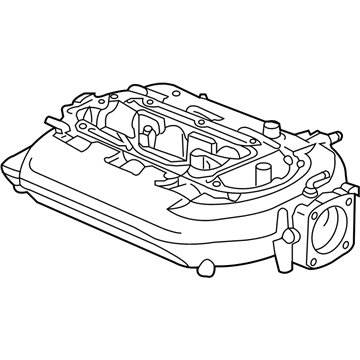
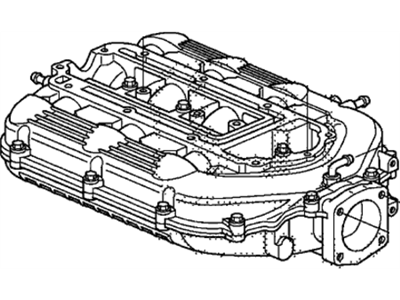
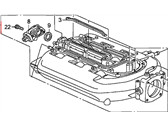
Honda Ridgeline Intake Manifold
Part Number: 17160-RLV-A00$301.47 MSRP: $440.76You Save: $139.29 (32%)
Honda Ridgeline MNFLD COMP, IN
Part Number: 17160-RLV-A01$301.47 MSRP: $440.76You Save: $139.29 (32%)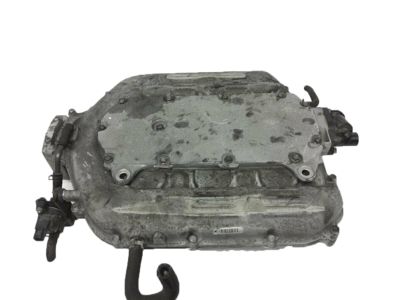
Honda Ridgeline Intake Manifold
Part Number: 17160-RN0-A00$386.91 MSRP: $559.51You Save: $172.60 (31%)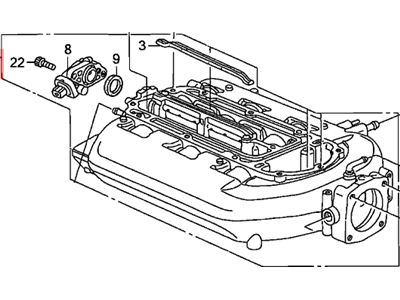
Honda Ridgeline Intake Manifold
The Intake Manifold in Honda Ridgeline is responsible for evenly dispersing air or a combination of air and fuel to the cylinder head intake port and this is essential in generating power and performance of the vehicle's engine. By employing the plastic composite materials to kind down the weight and enhance heat transfer, the manifold in the client's car brings absolute fresh air to the cylinders. Certain manifolds even have coolant passage and thermostat mounts and some even have sensors which control the engines by computer. Performance manifolds available in the enhances the horse power and torque by allowing better air flow and dispersion particularly to modified cars. Variable length intake manifolds control the speed of air and pressure provided to the engines hence improving on the power to fuel ratio. Altogether, ambient intake manifold evolution is useful to improve the efficiency and potency of the Honda Ridgeline vehicles.
In search of affordable OEM Honda Ridgeline Intake Manifold? Consider browsing through our extensive inventory of genuine Honda Ridgeline Intake Manifold. Not only do we provide market-leading prices and a manufacturer's warranty, but we also pride ourselves on exceptional customer service and swift delivery.
Honda Ridgeline Intake Manifold Parts Questions & Experts Answers
- Q:How to access and work on the upper and lower intake manifold for the Honda Ridgeline?A:Start with your work by releasing fuel pressure and disconnecting the cable from the negative terminal on the battery for Acura models built after 2003 and Honda models after 2005. Unsnap the engine cover, slide off the breather hose and air intake duct, remove the throttle cable together with various vacuum hoses, then cut all connections to the engine's throttle body. Take off the EVAP hose and transaxle vent hose bracket if present, clamp off the coolant hoses to the throttle body, untether the top of the manifold from the intake coolant and EVC, and disconnect the intake's PCV and brake booster hoses. Remember to disconnect the engine cables from their correct spots and keep good notes that will help you put them back correctly. First, take off the intake manifold cover. Start undoing bolts and nuts in the reverse tightening order, raising the upper intake manifold from the engine. If equipped, remove the spacer plate and gaskets. Before putting them back together, you need to wipe off dirt from both intake manifold ends. Lay a new gasket on the lower manifold bolts. Place the spacer plate and upper intake onto the engine, tighten the fasteners in specific order. Reattach the battery, check the coolant, and top up the tank if low, before installing the intake manifold cover and securing its bolts following correct positioning. Unbolt and take off the upper intake manifold and spacer plate, if there is one. Then remove the fuel rails from your lower intake manifold. Carefully lift off the bottom intake manifold pieces attached to the engine heads, being cautious not to hurt the surface where the gaskets join. Clean the two engine manifolds to get rid of leftover gasket and sealant debris. Wipe and dry both mating surfaces. Install fresh gaskets and set the lower manifolds where they slot with the Cylinder Heads, following the exact positions of their dowels. Each fastener needs slow, even tightening from the center first, moving outwards to stop distortions. Next, place the upper intake manifold. Take these final steps: examine the coolant level, start the engine, look for fuel and cooling system leaks.
Related Honda Ridgeline Parts

Browse by Year
2026 Intake Manifold 2025 Intake Manifold 2024 Intake Manifold 2023 Intake Manifold 2022 Intake Manifold 2021 Intake Manifold 2020 Intake Manifold 2019 Intake Manifold 2018 Intake Manifold 2017 Intake Manifold 2014 Intake Manifold 2013 Intake Manifold 2012 Intake Manifold 2011 Intake Manifold 2010 Intake Manifold 2009 Intake Manifold 2008 Intake Manifold 2007 Intake Manifold 2006 Intake Manifold