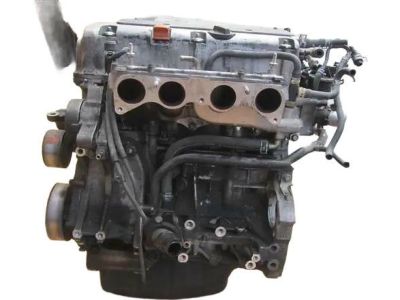
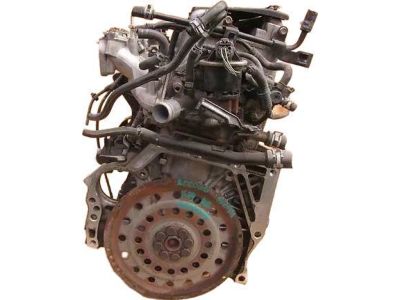
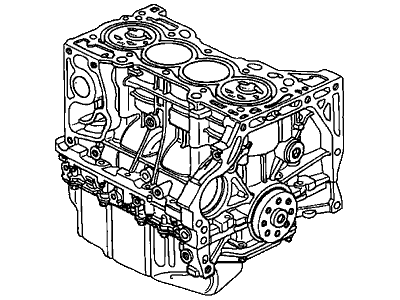
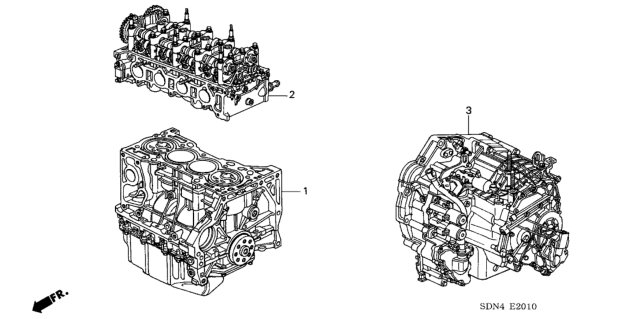
Do not smoke while Welding or have open flames or any bare light bulb near the Welding area and do not Weld in a garage containing gas-type appliances such as the water heater or clothes dryer. Because gasoline is a carcinogen, use fume resistant gloves if there is any chance of the material coming into contact with the skin, and wash the skin with soap and water if contact is made. Any kind of spillage should be managed effectively and should not allow the accumulation of rags that have been soaked in fuel in any ignitable places. The fuel system stays pressurized so, discharge it before disconnecting any of the fuel line. Finally, it is necessary to add safety glasses and have a Class B fire extinguisher within reach when carrying out operations with the fuel system. To carry out the work on four-cylinder models, it is required to put protective covers on the fenders and cowl, and then fully open the hood. Reduce pressure in fuel system and then switch off the negative terminal of the battery, then the positive terminal. Disconnect the air filter housing and air intake duct, and the shock tower cross brace when exists. Both the battery and the battery tray should be removed as well as the cables connected to the fuse/relay center; and the fuse/relay center itself. Remove the accelerator and cruise control linkage from the throttle body and the fuel line, from the fuel rail. On the models with a clutch, the clutch release cylinder as well as the shift cables, should be taken out. Remove the bolts holding the power steering pump and set it aside without removing the hoses, you also remove the altinator and the compressor if any. Lift the vehicle properly on jackstands, drain off the COOLANT, engine oil and the transaxle fluid as well as the drivebelt. Continue with the elimination of the driveaxles and the exhaust pipe and the detachment of the cable shift for the automatic transaxle models as well as the nuts securing the transaxle mounts. Put masking tapes over all the vacuum lines, hoses, electrical connectors, and ground straps, and then cover all of them. Place supports under the engine/transaxle assembly, centre it and detach any remaining links before removing the supporting brackets and lifting the assembly out of the car. When using your V6 models and delete their exhaust, you have to use a frame-contact type vehicle hoist and set its height as needed. The similar measures have to be taken in case of disconnection and removal having paid certain attention to labeling and support. Removal is the reverse of installation where one has to observe worn mounts, alignment of all the components, and using a torque wrench tighten all the bolts to their recommended torque settings. Add fluids when necessary and reconnect the battery after that start the engine to make sure that it is functioning correctly and that there are no signs of leakage.