×
- Hello
- Login or Register
- Quick Links
- Live Chat
- Track Order
- Parts Availability
- RMA
- Help Center
- Contact Us
- Shop for
- Honda Parts
- Honda Accessories

My Garage
My Account
Cart
Genuine 2000 Honda Passport Oil Pan
Oil Drain Pan- Select Vehicle by Model
- Select Vehicle by VIN
Select Vehicle by Model
orMake
Model
Year
Select Vehicle by VIN
For the most accurate results, select vehicle by your VIN (Vehicle Identification Number).
3 Oil Pans found
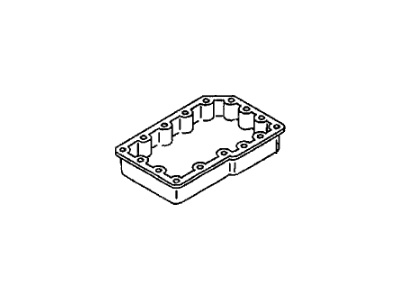

2000 Honda Passport Oil Pan Assembly
Part Number: 8-96017-876-0$136.07 MSRP: $197.20You Save: $61.13 (31%)Product Specifications- Other Name: Pan Assembly, Oil
- Replaced by: 8-96023-707-0
- Item Weight: 7.30 Pounds
- Item Dimensions: 5.6 x 3.3 x 2.1 inches
- Condition: New
- Fitment Type: Direct Replacement
- SKU: 8-96017-876-0
- Warranty: This genuine part is guaranteed by Honda's factory warranty.
- Product Specifications
- Other Name: Oil Pan
- Replaces: 8-96016-554-0, 8-96016-562-0, 8-96017-876-0
- Item Weight: 7.30 Pounds
- Item Dimensions: 23.6 x 22.6 x 5.9 inches
- Condition: New
- Fitment Type: Direct Replacement
- SKU: 8-96023-707-0
- Warranty: This genuine part is guaranteed by Honda's factory warranty.
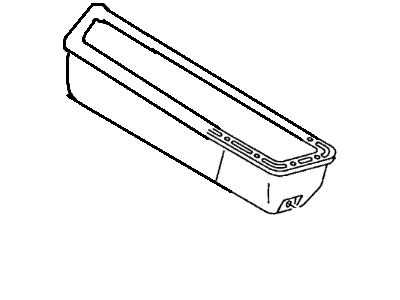
 Product Specifications
- Other Name: Oil Pan
- Replaces: 8-97149-083-2
- Item Weight: 2.10 Pounds
- Item Dimensions: 13.1 x 7.1 x 4.9 inches
- Condition: New
- Fitment Type: Direct Replacement
- SKU: 8-97264-032-0
- Warranty: This genuine part is guaranteed by Honda's factory warranty.
2000 Honda Passport Oil Pan
Our website is the optimal online store for when you need any genuine 2000 Honda Passport Oil Pan. We offer a wide range of 2000 Honda Passport Oil Pan at unbeatable prices. We will help provide you with a worry-free shopping experience at highly competitive prices. In addition, all OEM parts are backed by the manufacturer's warranty.
2000 Honda Passport Oil Pan Parts Questions & Experts Answers
- Q:How to remove and install an oil pan on 2.2L four cylinder engine on 2000 Honda Passport?Posted by Darin A.A:Disconnect the negative battery cable and drain the engine oil, then remove the dipstick from the dipstick tube. Apply the parking brake and block the rear wheels to prevent the vehicle from rolling, then raise the front of the vehicle and support it on jackstands placed under the frame. If equipped, remove the splash shield by detaching the fasteners. Remove the flywheel dust cover and the oil pan retaining bolts, then detach the oil pan, taking care not to pry between the oil pan support and the oil pan to avoid damaging the sealing surface, using a block of wood and a hammer if necessary to dislodge it. Remove the oil pan support bolts and detach the oil pan support, discarding the old gaskets. Use a scraper to clean all traces of oil, old gasket material, and sealant from the gasket sealing surfaces of the block, oil pan support, and oil pan, ensuring the bolt holes are clean. Check the oil pan flange for distortion, flattening it if necessary. Before installing the new oil pan support gasket, apply a thin coat of RTV sealant to the oil pan support flange and the gasket sealing surface of the engine block, then attach the new gasket to the pan support, ensuring the bolt holes are aligned. Position the oil pan support on the block and install the mounting bolts, tightening them gradually and evenly in a criss-cross pattern to the specified torque. Before installing the new oil pan gasket, apply a thin coat of RTV sealant to the oil pan flange and the gasket sealing surface of the oil pan support, then attach the new gasket to the pan, ensuring the bolt holes are aligned. Position the oil pan on the oil pan support and install the mounting bolts, tightening them gradually and evenly in a criss-cross pattern to the specified torque. Reconnect the negative battery cable, wait at least 30 minutes before filling the engine with oil, then start the engine and check for leaks.Answered by Honda Parts Specialist Gino / Apr 26, 2026
Related 2000 Honda Passport Parts
 2000 Honda Passport Oil Filter
 2000 Honda Passport Rod Bearing
 2000 Honda Passport Oil Pump
 2000 Honda Passport Oil Pressure Switch
 2000 Honda Passport Dipstick
 2000 Honda Passport Crankshaft Pulley
 2000 Honda Passport Drain Plug
 2000 Honda Passport Dipstick Tube