×
- Hello
- Login or Register
- Quick Links
- Live Chat
- Track Order
- Parts Availability
- RMA
- Help Center
- Contact Us
- Shop for
- Honda Parts
- Honda Accessories

My Garage
My Account
Cart
Genuine Honda Prelude Brake Line
Brake Hose- Select Vehicle by Model
- Select Vehicle by VIN
Select Vehicle by Model
orMake
Model
Year
Select Vehicle by VIN
For the most accurate results, select vehicle by your VIN (Vehicle Identification Number).
106 Brake Lines found
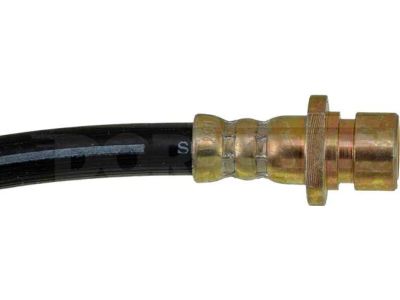
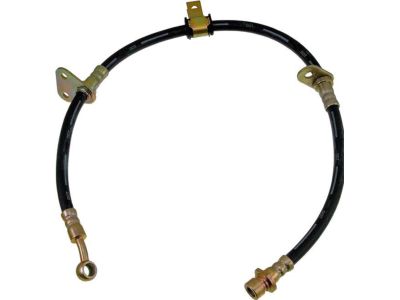
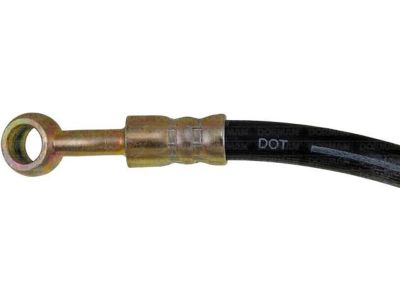
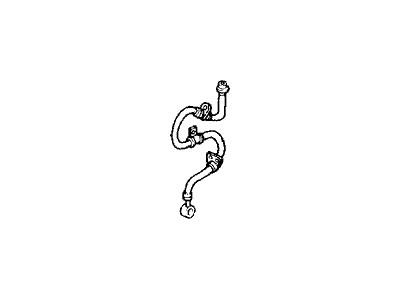
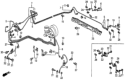
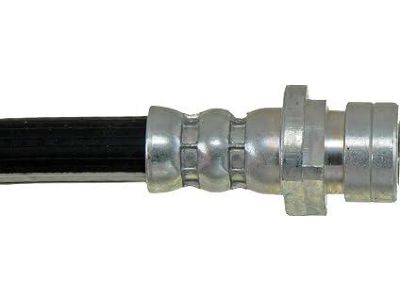
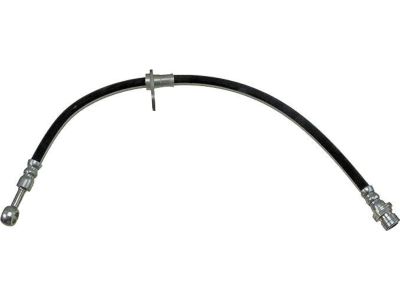
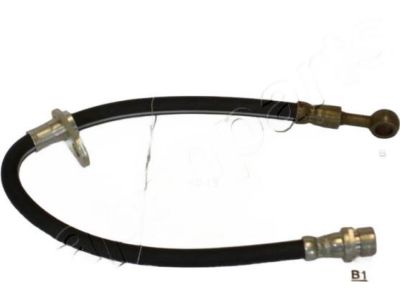
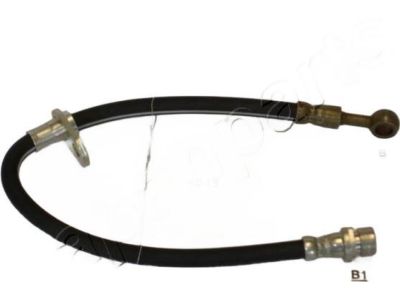
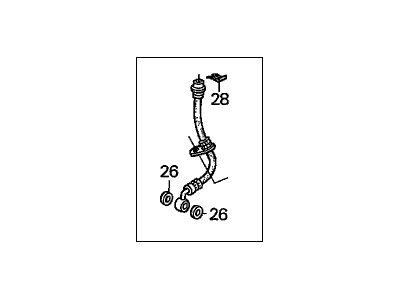
Honda Prelude Hose, Left Front Brake (14") (Meiji)
Part Number: 46411-SF1-955$50.41 MSRP: $71.20You Save: $20.79 (30%)
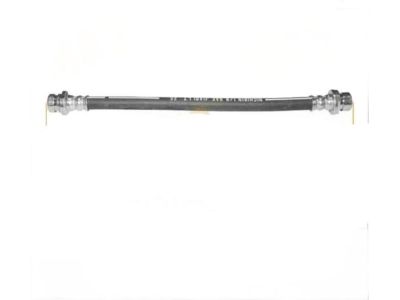

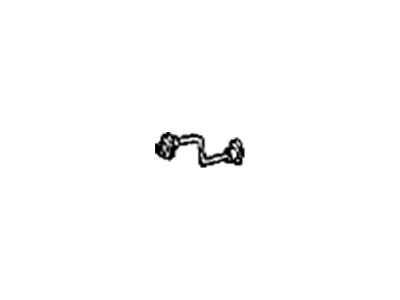
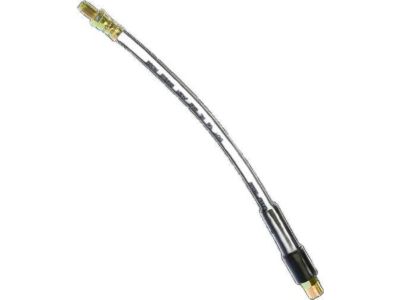
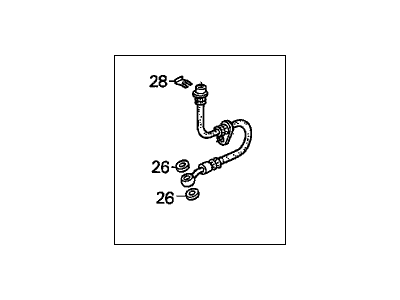
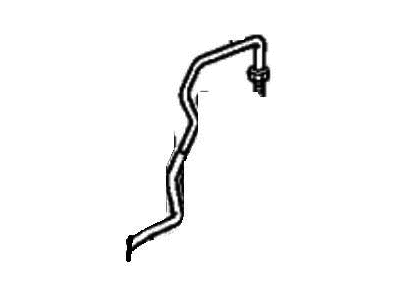
Honda Prelude Hose, Rear Brake (Nichirin)
Part Number: 46430-SA5-003$18.29 MSRP: $25.85You Save: $7.56 (30%)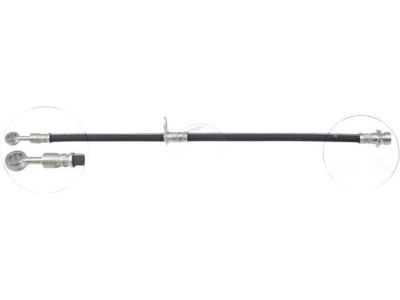
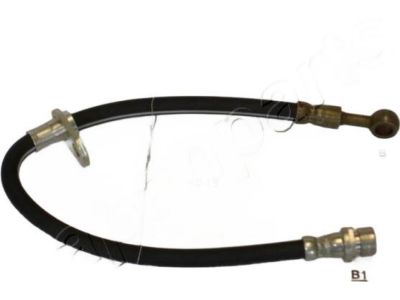
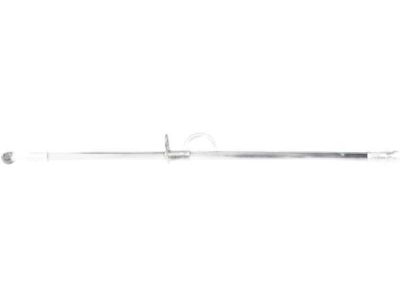
Honda Prelude Rear Brake Hose (Meiji)
Part Number: 46430-SF1-004$27.29 MSRP: $38.56You Save: $11.27 (30%)
Honda Prelude Hose Set, Front Brake
Part Number: 01464-SF1-020$45.94 MSRP: $94.08You Save: $48.14 (52%)Honda Prelude Hose, Right Front Brake (14") (Meiji)
Part Number: 46410-SF1-957$53.23 MSRP: $75.18You Save: $21.95 (30%)Honda Prelude Hose, Left Front Brake (14") (Nichirin)
Part Number: 46411-SF1-956$50.41 MSRP: $71.20You Save: $20.79 (30%)Honda Prelude Hose, Right Front Brake (14") (Nichirin)
Part Number: 46410-SF1-956$53.23 MSRP: $75.18You Save: $21.95 (30%)Honda Prelude Hose, Left Front Brake (14") (Meiji)
Part Number: 46411-SF1-957$50.41 MSRP: $71.20You Save: $20.79 (30%)Honda Prelude Hose, Right Front Brake (14") (Meiji)
Part Number: 46410-SF1-955$53.23 MSRP: $75.18You Save: $21.95 (30%)Honda Prelude Hose, Right Front Brake (14") (Nichirin)
Part Number: 46410-SF1-954$53.23 MSRP: $75.18You Save: $21.95 (30%)Honda Prelude Hose, Left Front Brake (13") (Nichirin)
Part Number: 46411-SF1-043$57.42 MSRP: $81.11You Save: $23.69 (30%)Honda Prelude Hose, Left Front Brake (13") (Nichirin)
Part Number: 46411-SF1-033$57.42 MSRP: $81.11You Save: $23.69 (30%)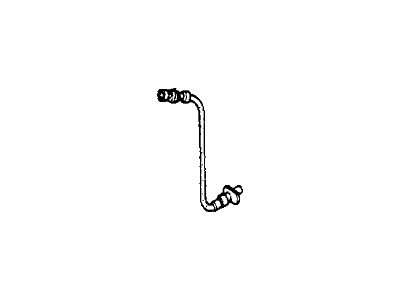

Honda Prelude Rear Brake Hose (Meiji)
Part Number: 46430-692-004P$12.90 MSRP: $18.22You Save: $5.32 (30%)Honda Prelude Hose, Rear Brake (Nichirin)
Part Number: 46430-692-003P$12.90 MSRP: $18.22You Save: $5.32 (30%)Honda Prelude Hose, Rear Brake (Nichirin)
Part Number: 46430-SF1-003$27.29 MSRP: $38.56You Save: $11.27 (30%)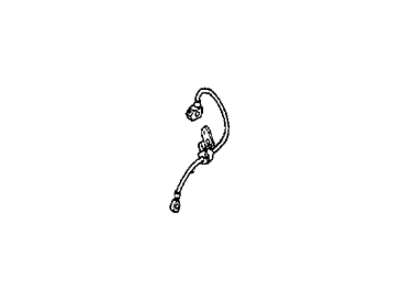
Honda Prelude Hose, Left Front Brake (Meiji)
Part Number: 46411-SB0-014$33.25 MSRP: $46.98You Save: $13.73 (30%)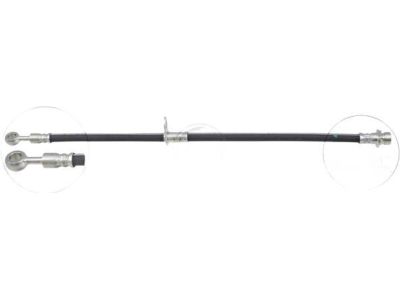
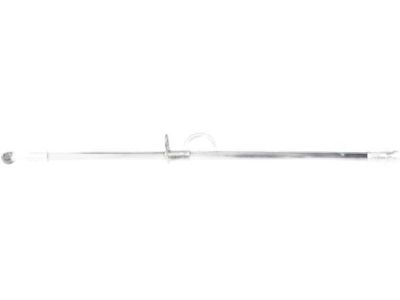
| Page 1 of 6 |Next >
1-20 of 106 Results
Honda Prelude Brake Line
The Brake Line in Honda Prelude relieve brake fluid from master cylinder to the brake caliper pistons and hence assists the hydraulic brakes to operate successfully. This specific system is instrumental to guarantee the right amount of stopping force upon application of the brake pedal. Through the years various types of Brake Lines have been used in Honda Prelude models, namely rubber hoses and braided stainless steel ones. Factory rubber hoses are sufficient for ordinary driving but they tend to swell up under high pressure and thus results in a mushy pedal. In contrast, braided stainless steel Brake Lines improve the car's response and the driver gets a much firmer pedal which makes them suitable for sporting. Brake Lines may become corroded or physically damaged and as such they may require replacement or may be checked frequently. Flared pre-bent brake line kits made of high corrosion resistant stainless steel are available to facilitate easy installation and guarantee Prelude enhanced and superior style braking systems.
In search of affordable OEM Honda Prelude Brake Line? Consider browsing through our extensive inventory of genuine Honda Prelude Brake Line. Not only do we provide market-leading prices and a manufacturer's warranty, but we also pride ourselves on exceptional customer service and swift delivery.
Honda Prelude Brake Line Parts Questions & Experts Answers
- Q:How Should Brake Lines and Rubber Hoses Be Checked and Maintained to Ensure Proper Braking Function on a Honda Prelude?A:Metal lines and rubber brake hoses should be inspected often for leaks and external wear because metal lines are very vulnerable to crushing and kinking beneath the automobile, thereby reducing the flow of the brake fluid. Rubber hoses must be inspected for cracking or scraping since they offer avenues via which pressures exerted can make the hose fail. When disconnecting lines, for example, very rigorous sanitation is mandatory; the connections themselves should be cleaned before disconnection, and lines and ports should be covered as soon as opened. New lines and hoses should be cleared out with brake fluid to eradicate detail before fitting them on the car. To depries the lines unscrew the first negative battery cable, lift and jack up the car and for better access you may need to take of wheels and tires in question as well. Remove all debris in the vicinity of the joints, and then place a catch pan below, and, by means of two wrenches, unbolt the hose or line in question. Loosen the other end, probably by sliding the drain pan out of the way if that is necessary, and use two wrenches because using one is likely to mar the metal fitting. If using a retaining clip or bracket, this needs to be removed and the line can be pulled out. If the brake system is left open for an extended period after bleeding the following tips are recommended, using tape or a plug close all the remaining clip and ports to avoid contamination. During installation, Female ends should be connected to the master cylinder while the male ends are connected to the farthest end; both fittings should be well fixed and should rotate as they are turned. It is recommended that the new line of conveyors should not come into contact with other lines; shielding or insulators have to be replaced. With two wrenches, tighten each fitting, replace any retainers or brackets, if necessary, and if so, position the assemblies-wheel and tire-and then lower the vehicle. Replace the brake master cylinder reservoir with clean fresh brake fluid, which is DOT 3, and correctly perform a bleed of the brake system, then join back the negative battery terminal.
Related Honda Prelude Parts
 Honda Prelude Brake Pad Set
 Honda Prelude Speed Sensor
 Honda Prelude Brake Disc
 Honda Prelude Brake Caliper
 Honda Prelude Brake Dust Shields
 Honda Prelude Brake Master Cylinder
 Honda Prelude Brake Proportioning Valve
 Honda Prelude Parking Brake Cable
 Honda Prelude ABS Control Module
 Honda Prelude Brake Shoe Set
 Honda Prelude Brake Drum
 Honda Prelude Wheel Seal
Browse by Year
2026 Brake Line 2001 Brake Line 2000 Brake Line 1999 Brake Line 1998 Brake Line 1997 Brake Line 1996 Brake Line 1995 Brake Line 1994 Brake Line 1993 Brake Line 1992 Brake Line 1991 Brake Line 1990 Brake Line 1989 Brake Line 1988 Brake Line 1987 Brake Line 1986 Brake Line 1985 Brake Line 1984 Brake Line 1983 Brake Line 1982 Brake Line 1981 Brake Line 1980 Brake Line 1979 Brake Line