×
- Hello
- Login or Register
- Quick Links
- Live Chat
- Track Order
- Parts Availability
- RMA
- Help Center
- Contact Us
- Shop for
- Honda Parts
- Honda Accessories

My Garage
My Account
Cart
Genuine Honda Exhaust Manifold
Engine Exhaust Manifold- Select Vehicle by Model
- Select Vehicle by VIN
Select Vehicle by Model
orMake
Model
Year
Select Vehicle by VIN
For the most accurate results, select vehicle by your VIN (Vehicle Identification Number).
111 Exhaust Manifolds found
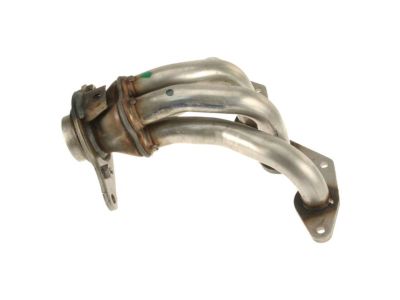
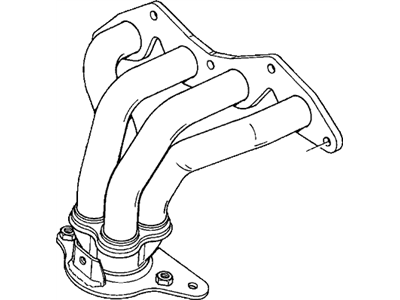
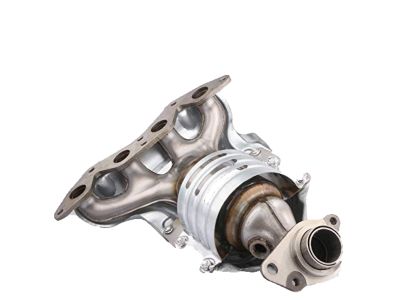
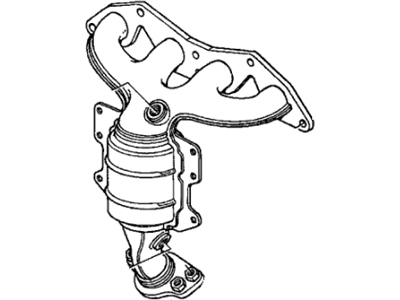
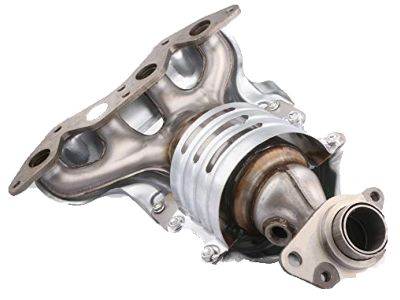
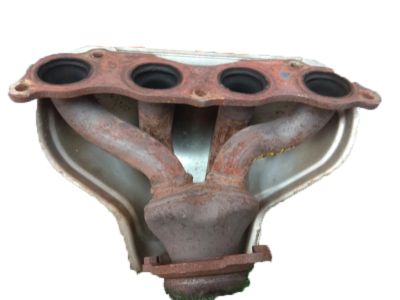
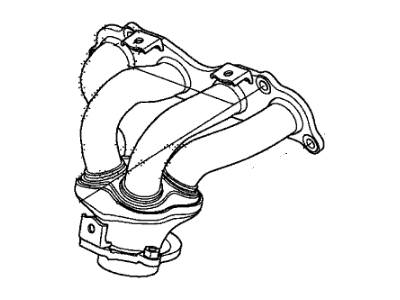
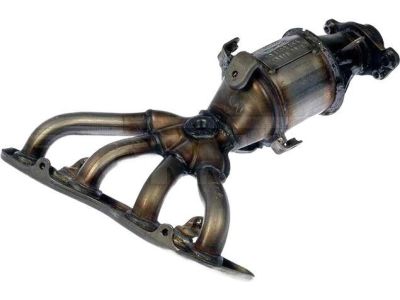
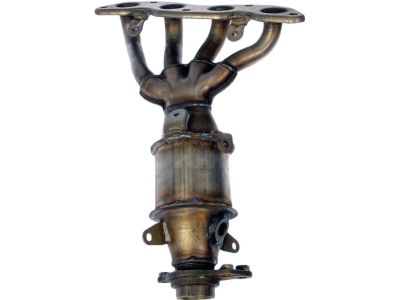
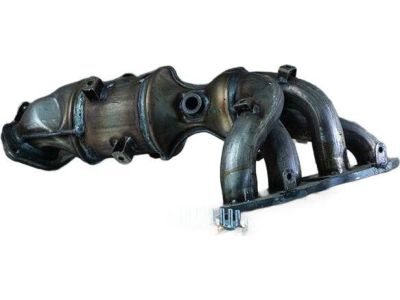
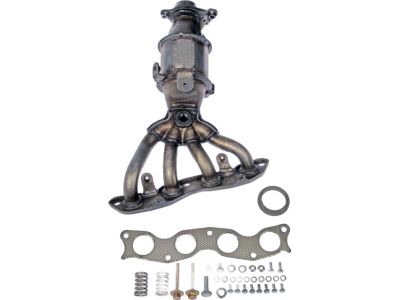
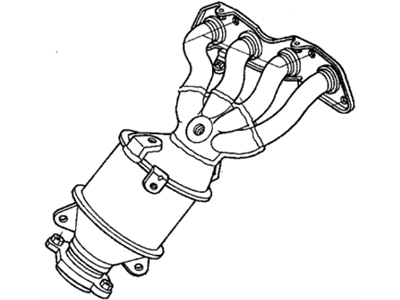
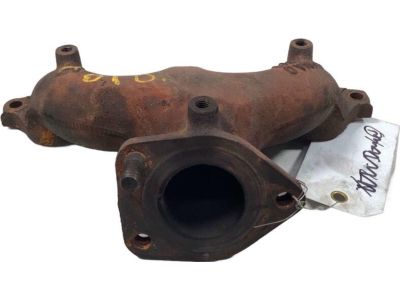
Honda Exhaust Manifold Assembly
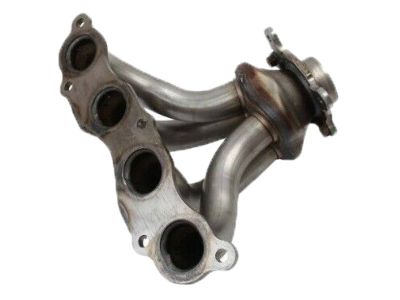
Part Number: 18100-PLR-000$278.96 MSRP: $404.28You Save: $125.32 (31%)Product Specifications- Other Name: Exhaust Manifold
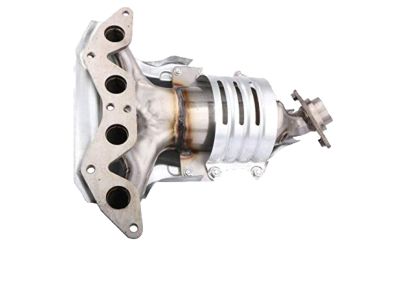
 Product Specifications
- Other Name: Exhaust Manifold
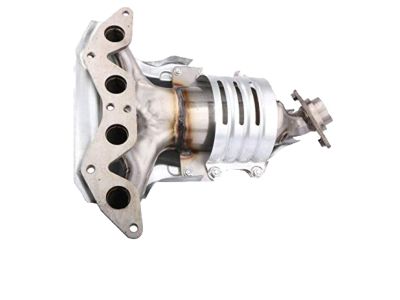
 Product Specifications
- Other Name: Exhaust Manifold
 Product Specifications
- Other Name: Exhaust Manifold
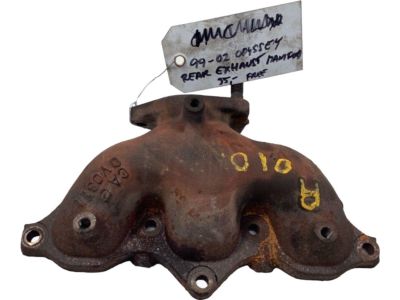
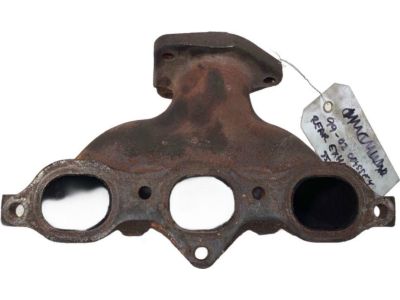
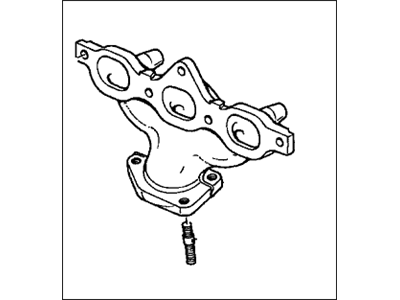
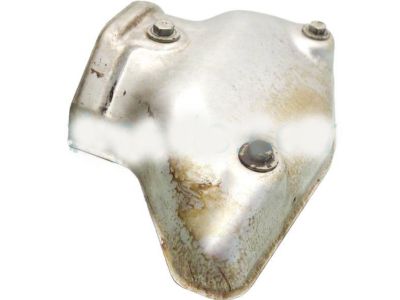
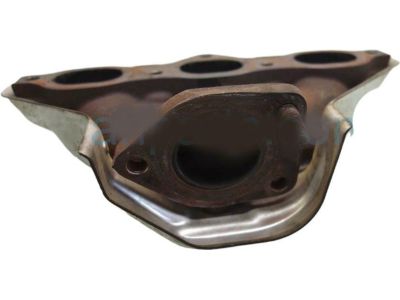
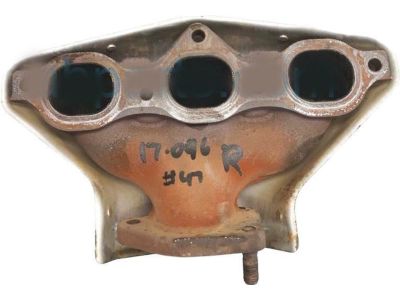
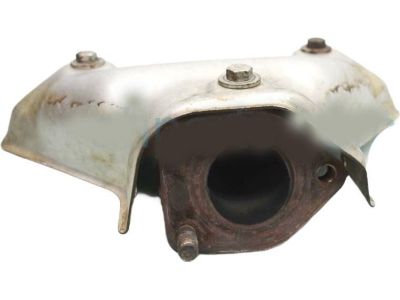
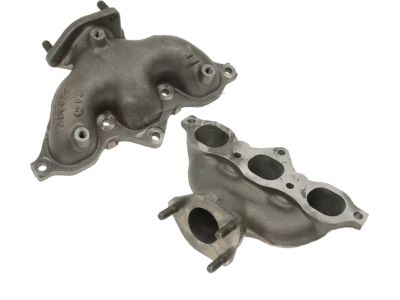
Honda Manifold Assembly, Rear Exhuast
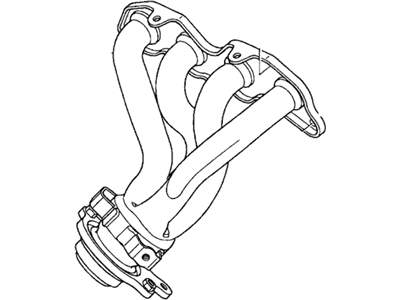
Part Number: 18010-P8E-A00$212.90 MSRP: $348.83You Save: $135.93 (39%)Product Specifications- Other Name: Exhaust Manifold; Manifold
- Position: Rear
- Replaces: 18010-P8A-A00
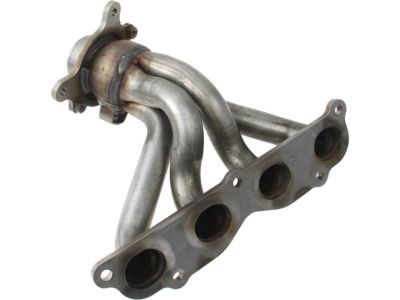
 Product Specifications
- Replaces: 18100-PND-000
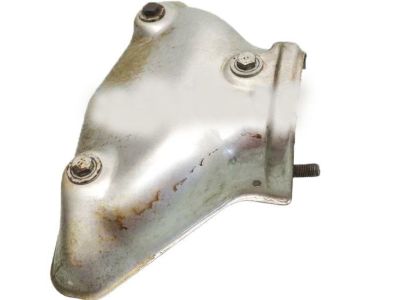
Honda Manifold Assembly, Front Exhuast
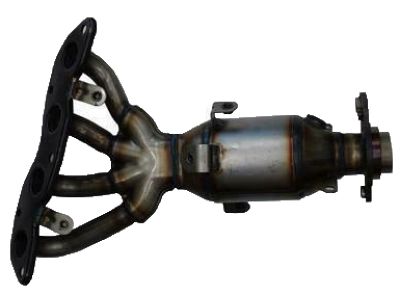
Part Number: 18000-P8E-A00$170.32 MSRP: $348.83You Save: $178.51 (52%)Product Specifications- Other Name: Exhaust Manifold; Manifold
- Position: Front
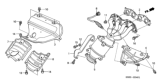
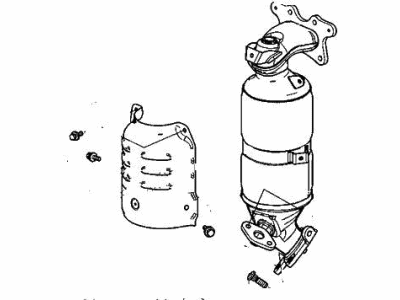
 Product Specifications
- Other Name: Catalytic Converter, Preconverter
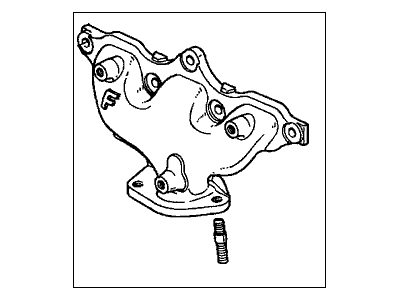
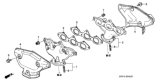
Honda Manifold Assembly, Front Exhuast
Part Number: 18000-P8E-L00$152.77 MSRP: $200.27You Save: $47.50 (24%)Product Specifications- Other Name: Exhaust Manifold
- Position: Driver Side
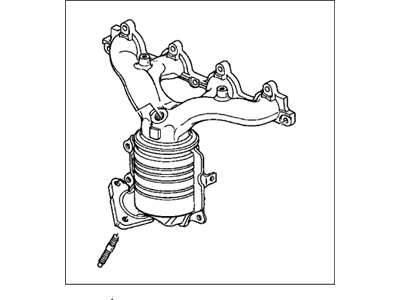
Honda Converter, Manifold (Wee7D5)
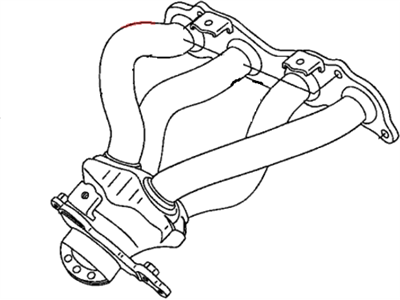
Part Number: 18160-P2E-A11$798.19 MSRP: $1165.10You Save: $366.91 (32%)Product Specifications- Replaced by: 18160-P2E-A12
 Product Specifications
- Other Name: Manifold
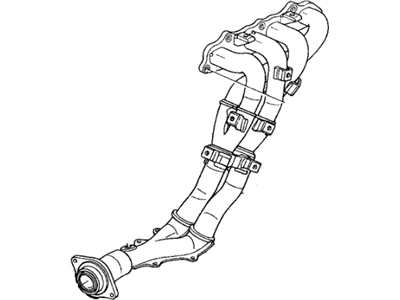
 Product Specifications
- Other Name: Exhaust Manifold
- Replaces: 18100-PCX-000, 18100-PCX-010
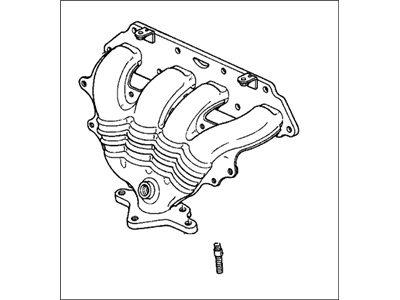
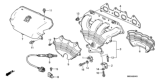 Product Specifications
- Other Name: Manifold, Exhaust
- Replaced by: 18100-PAA-L31
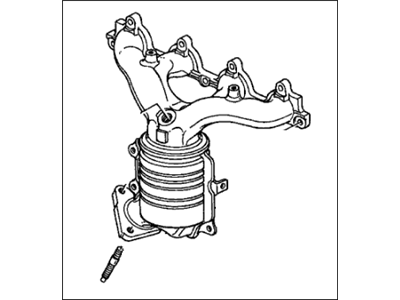
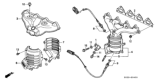 Product Specifications
- Replaced by: 18160-P2M-A02
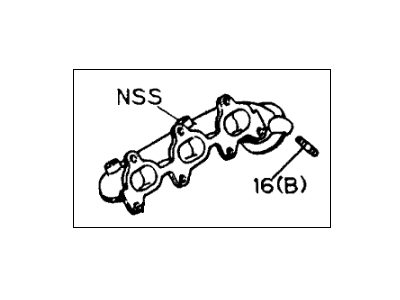
 Product Specifications
- Other Name: Exhaust Manifold
- Position: Driver Side
- Replaces: 8-97115-611-1
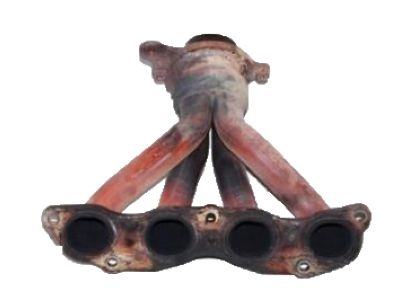
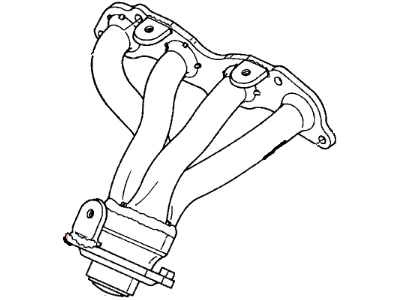
- Product Specifications
- Other Name: Exhaust Manifold
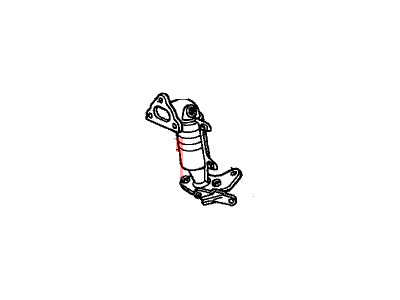
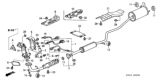 Product Specifications
- Other Name: Exhaust Manifold; Preconverter
| Page 1 of 6 |Next >
1-20 of 111 Results
About Honda Exhaust Manifold
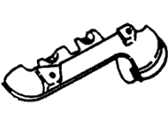
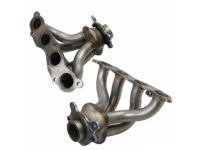
When you are driving your Honda with the engine is on, there is exhaust gases produced by every cylinder, and these gases are gathered by exhaust manifold into one pipe. Broadly speaking, exhaust manifold is made of simple cast iron or stainless steel units. Here are some signs indicating you need to send your exhaust manifold to emergency room in the hospital: if the Check Engine Light in your gauge panel is on; if you smell a strange odor form the engine compartment; if you hear a loud noise from engine when you are driving; if the performance of your engine is not as good as it used to be, your exhaust manifold is crying because it hurts. You need to find a doctor and comfort it. We are like a good-performance specialist for your exhaust manifold only. We offer you the medicine Honda genuine OEM exhaust manifold with a surprisingly cheap price.
Honda Exhaust Manifold Parts Questions & Experts Answers
- Q:How to remove and install the exhaust manifold on 3.2L V6 engine on Honda Passport?A:To remove the exhaust manifold, first disconnect the negative cable from the battery and securely raise the vehicle on jackstands. Apply penetrating oil to the exhaust manifold fasteners and let it soak. The process is similar for either side, but the air cleaner duct must be moved, and the EGA pipe disconnected by removing two bolts and separating the EGR tube from the left exhaust manifold, depending on which manifold is being removed. Support the transmission with a floor jack, then remove the transmission crossmember and skid plate to drop the exhaust pipes out of the way. Remove the nuts attaching the exhaust pipe flanges to the manifold, disconnect the electrical connector at the oxygen sensor (leaving the sensor in the manifold unless replacing it), and take off the heat shield by removing its bolts. Next, remove the exhaust manifold and gasket, noting that engine support brackets are held by two of the exhaust manifold studs/nuts on each side, which should also be removed. Inspect the manifold and fasteners for any cracks or damage, and use a scraper to eliminate old gasket material and carbon deposits from the mating surfaces. If the gasket was leaking, have the manifold checked for warpage and resurfaced if needed. For installation, position the new gasket over the cylinder head studs, install the manifold, and thread the mounting nuts into place. Tighten the nuts from the center out to the specified torque, then reinstall the remaining parts in reverse order of removal. Finally, run the engine and check for any exhaust leaks.
- Q:How to remove and install Exhaust Manifold on V6 engine on Honda Accord?A:This engine does not have exhaust manifolds; the exhaust ports empty into a collector integral with each cylinder head. The upstream (warm-up) catalytic converters bolt to the cylinder heads in place of traditional exhaust manifolds.
Related Honda Parts
 Honda Emblem
 Honda Oxygen Sensor
 Honda Headlight
 Honda Door Lock Actuator
 Honda Catalytic Converter
 Honda Bumper
 Honda Window Regulator
 Honda Door Check
 Honda Spare Wheel
 Honda Clock Spring
 Honda Lift Support
 Honda EGR Valve
Browse by Model
Accord Exhaust Manifold Civic Exhaust Manifold CR-V Exhaust Manifold CR-V Hybrid Exhaust Manifold CRX Exhaust Manifold Del Sol Exhaust Manifold Element Exhaust Manifold Fit Exhaust Manifold Insight Exhaust Manifold Odyssey Exhaust Manifold Passport Exhaust Manifold Pilot Exhaust Manifold Prelude Exhaust Manifold S2000 Exhaust Manifold