×
- Hello
- Login or Register
- Quick Links
- Live Chat
- Track Order
- Parts Availability
- RMA
- Help Center
- Contact Us
- Shop for
- Honda Parts
- Honda Accessories

My Garage
My Account
Cart
Genuine 1993 Honda Del Sol Crankshaft Seal
- Select Vehicle by Model
- Select Vehicle by VIN
Select Vehicle by Model
orMake
Model
Year
Select Vehicle by VIN
For the most accurate results, select vehicle by your VIN (Vehicle Identification Number).
3 Crankshaft Seals found
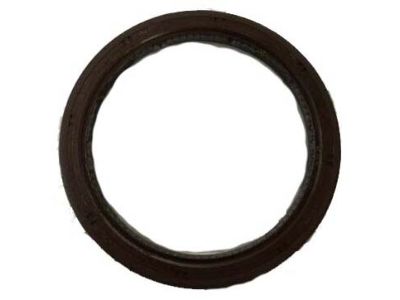
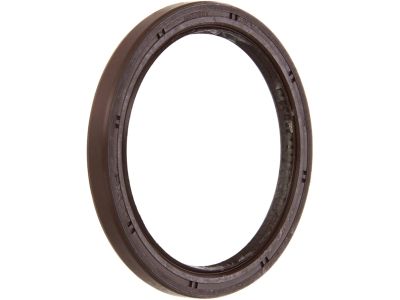
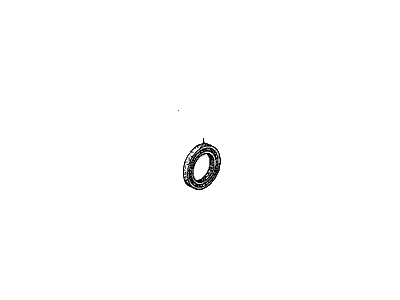
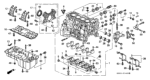
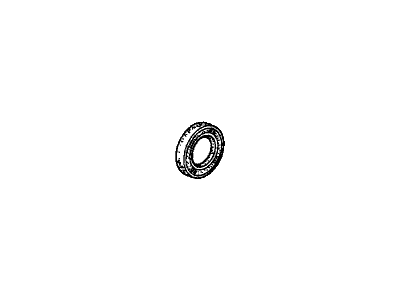
1993 Honda Del Sol Oil Seal (80X100X10) (Nok)
Part Number: 91214-PLE-003$36.68 MSRP: $52.25You Save: $15.57 (30%)Product Specifications- Other Name: Rear Main Seal
- Replaces: 91214-PAA-A01, 91214-PLM-A02, 91214-PR4-A01, 91214-P2F-A01, 91214-PH1-661, 91214-PAA-A02, 91214-PH1-013, 91214-PH1-003, 91214-PD2-004, 91214-PLC-003, 91214-PT0-004, 91214-PC6-013, 91214-P7A-004, 91214-PE1-721, 91214-PLC-004, 91214-PLM-A01, 91214-PC6-003, 91214-PH1-004, 91214-PH3-751, 91214-PC7-003
- Item Weight: 0.20 Pounds
- Item Dimensions: 4.1 x 4.1 x 0.4 inches
- Condition: New
- Fitment Type: Direct Replacement
- SKU: 91214-PLE-003
- Warranty: This genuine part is guaranteed by Honda's factory warranty.
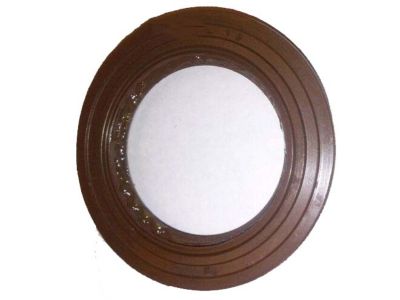
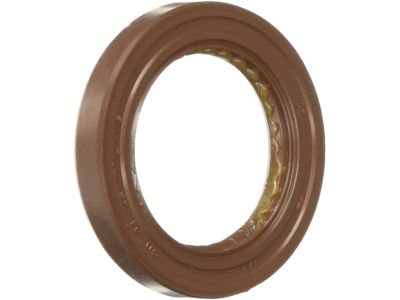
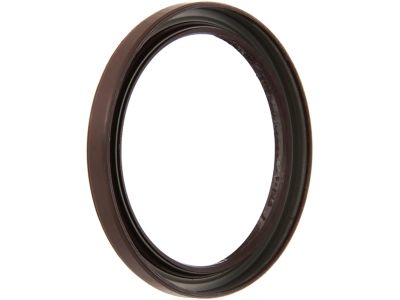
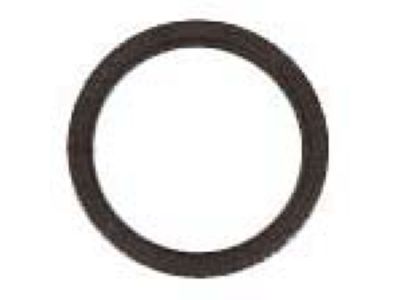
1993 Honda Del Sol Oil Seal (31X46X7)
Part Number: 91212-P2F-A01$6.74 MSRP: $9.52You Save: $2.78 (30%)Product Specifications- Replaces: 91212-P06-A01, 91212-P7A-004
- Item Weight: 0.10 Pounds
- Item Dimensions: 1.8 x 1.8 x 0.2 inches
- Condition: New
- Fitment Type: Direct Replacement
- SKU: 91212-P2F-A01
- Warranty: This genuine part is guaranteed by Honda's factory warranty.
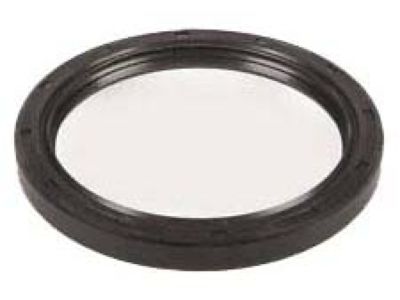
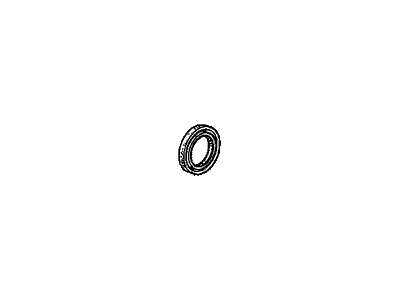
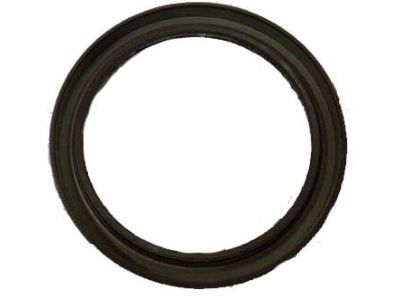
1993 Honda Del Sol Oil Seal (80X100X10) (Arai)
Part Number: 91214-PH3-751$36.68 MSRP: $52.25You Save: $15.57 (30%)Product Specifications- Replaced by: 91214-PLE-003
- Item Weight: 0.20 Pounds
- Item Dimensions: 4.1 x 4.1 x 0.4 inches
- Condition: New
- Fitment Type: Direct Replacement
- SKU: 91214-PH3-751
- Warranty: This genuine part is guaranteed by Honda's factory warranty.
1993 Honda Del Sol Crankshaft Seal
Our website is the optimal online store for when you need any genuine 1993 Honda Del Sol Crankshaft Seal. We offer a wide range of 1993 Honda Del Sol Crankshaft Seal at unbeatable prices. We will help provide you with a worry-free shopping experience at highly competitive prices. In addition, all OEM parts are backed by the manufacturer's warranty.
1993 Honda Del Sol Crankshaft Seal Parts Questions & Experts Answers
- Q:How to replace the rear Crankshaft Seal on 1993 Honda Del Sol?Posted by Geo O.A:This has to be conducted with the transaxle out of the vehicle. They are removed by starting with the flywheel/driveplate. When removing the present seal it is strongly advised to take the measurement between the outer face of the seal and the retainer lip to the nearest 0.1mm and write this measurement down since it should be impossible to hit this new seal too hard. The seal can be replaced without the removal of the oil pan or seal retainer; use a screwdriver and a rag to loosen the seal in the housing, being keen not to scratch the crankshaft as this will damage the new seal resulting in leaks. See that there is no cutting done on the crankshaft seal surface, apply clean oil on the crankshaft seal journal and the lip of a new seal, insert the seal gently by applying some lift. Indeed, because the seal lip is stiff, it is recommended to lubricate both the journal and the seal lip with multi-purpose grease, before working the seal over the journal using a smooth blunt object. The seal driver is used to strike the seal into the retainer, if not available, a large socket or a piece of pipe with an outside diameter slightly less than the seal can be used. It is important that this step is done carefully and does not happen quickly otherwise it will harm the seal. The rest of the procedures are the reverse of disassembly and once the installation is done start the engine and look for signs of oil leakage.Answered by Honda Parts Specialist Dan / Jan 17, 2024
Related 1993 Honda Del Sol Parts
 1993 Honda Del Sol Drain Plug Washer
 1993 Honda Del Sol Fuel Injector O-Ring
 1993 Honda Del Sol Drain Plug
 1993 Honda Del Sol Fuse
 1993 Honda Del Sol Dipstick
 1993 Honda Del Sol Engine Mount
 1993 Honda Del Sol Crankshaft
 1993 Honda Del Sol Engine Block
 1993 Honda Del Sol Crankshaft Pulley