×
- Hello
- Login or Register
- Quick Links
- Live Chat
- Track Order
- Parts Availability
- RMA
- Help Center
- Contact Us
- Shop for
- Honda Parts
- Honda Accessories

My Garage
My Account
Cart
Genuine Honda Alternator
Generator- Select Vehicle by Model
- Select Vehicle by VIN
Select Vehicle by Model
orMake
Model
Year
Select Vehicle by VIN
For the most accurate results, select vehicle by your VIN (Vehicle Identification Number).
197 Alternators found
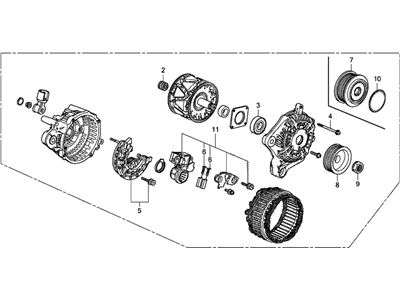
 Product Specifications
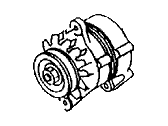
- Other Name: Alternator
- Replaces: 31100-5A2-A01
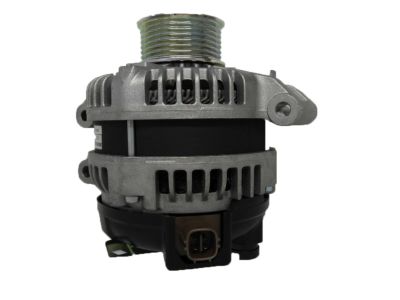
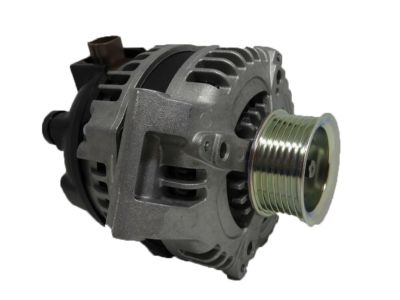
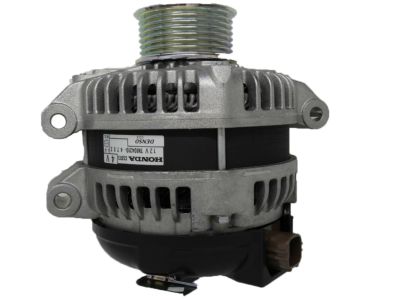
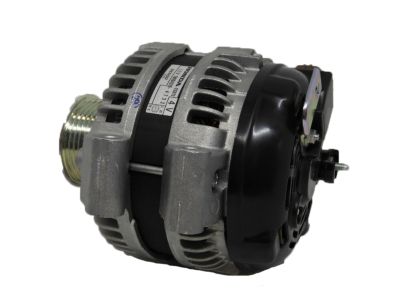
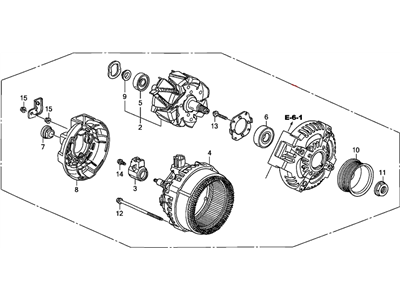
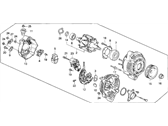
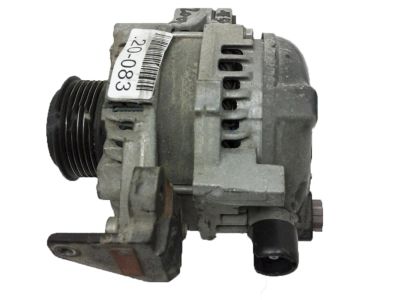
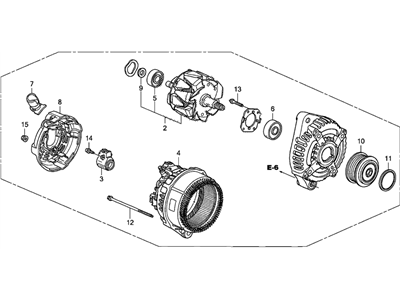
Honda Alternator Assembly (Csd73) (Denso)
Part Number: 31100-RTA-033$391.42 MSRP: $582.47You Save: $191.05 (33%)Product Specifications- Other Name: Alternator
- Replaces: 31100-RTA-023, 31100-RTA-003, 31100-RTA-013
 Product Specifications
- Replaces: 06311-RV0-506RM, 31100-RV0-A12RM, 31100-RV0-A11RM
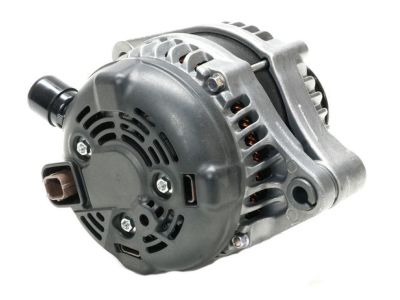
 Product Specifications
- Replaces: 31100-RV0-305RM, 06311-RV0-505RM, 31100-RV0-A01RM
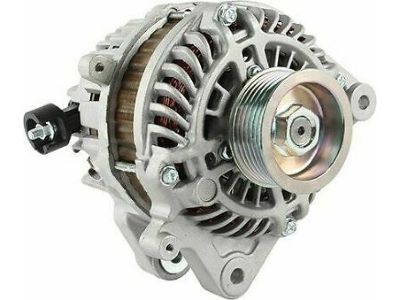
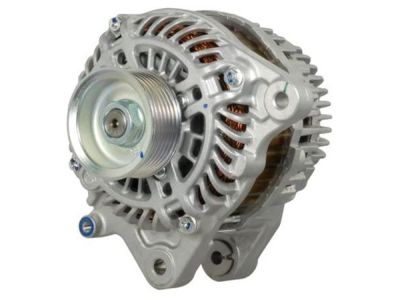
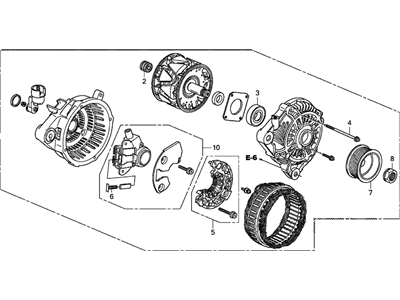
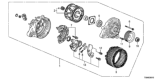
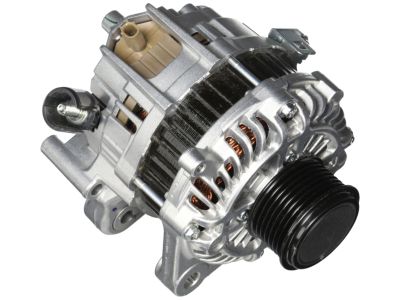
Honda Alternator Assembly (Ahga81) (Mitsubishi)
Part Number: 31100-R1A-A01$693.16 MSRP: $1029.15You Save: $335.99 (33%)Product Specifications- Other Name: Alternator
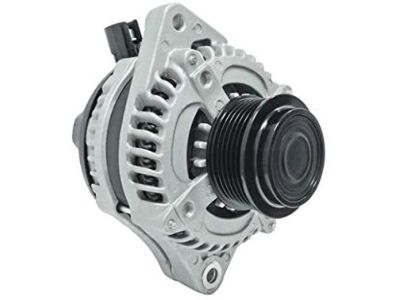
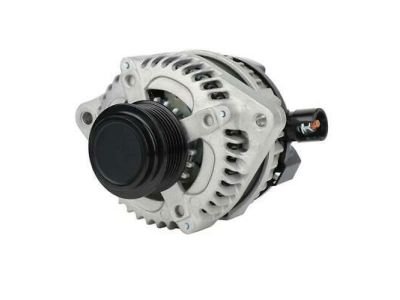
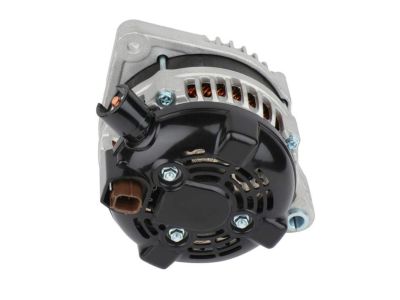 Product Specifications
- Other Name: Alternator
- Replaces: 31100-RV0-A01
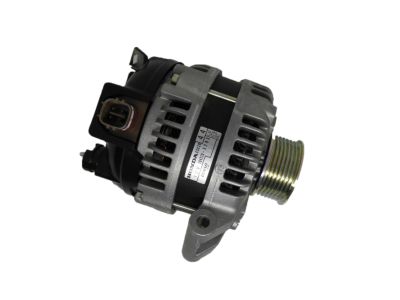
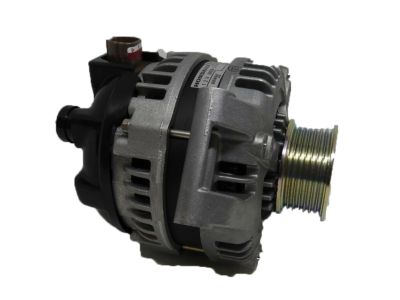
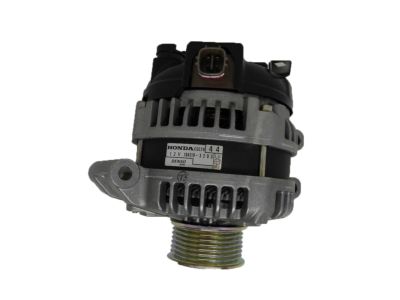
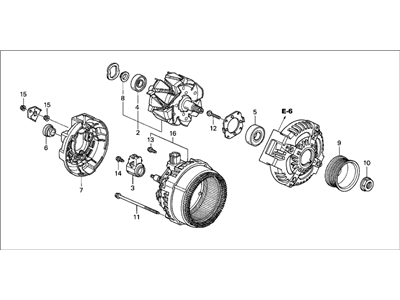
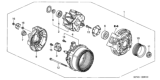
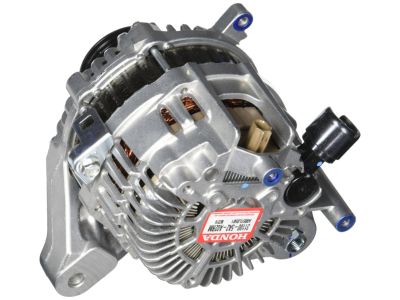
Honda Alternator Assembly (Csc29) (Denso)
Part Number: 31100-RAA-A05$409.05 MSRP: $608.70You Save: $199.65 (33%)Product Specifications- Other Name: Alternator
- Replaces: 31100-RAA-A01, 31100-RAA-A02, 31100-RAA-A03, 31100-RAA-A04
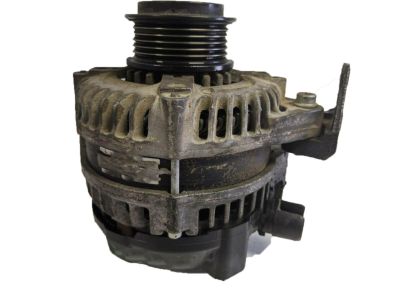
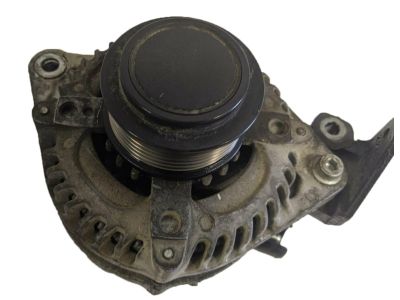
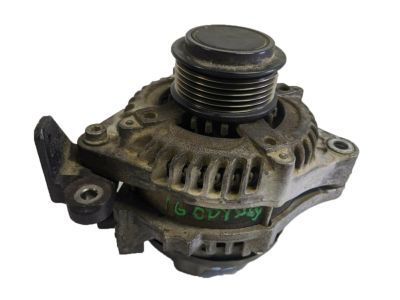
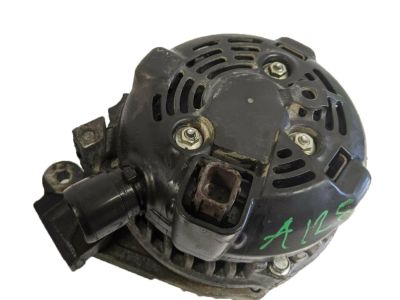
Honda Alternator Assy. (Csk52) (Denso)
Part Number: 31100-RV0-A12$595.88 MSRP: $871.17You Save: $275.29 (32%)Product Specifications- Other Name: Alternator
- Replaces: 31100-RV0-A11
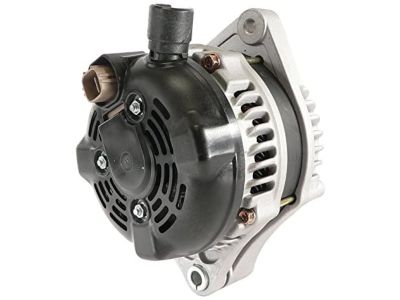
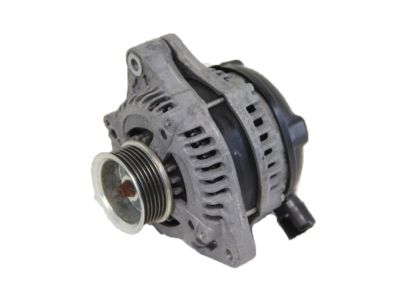
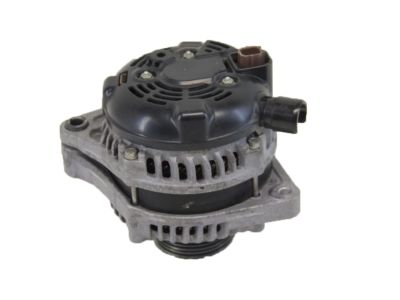
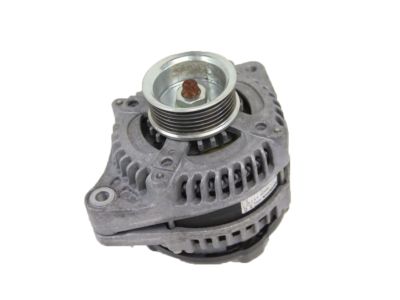
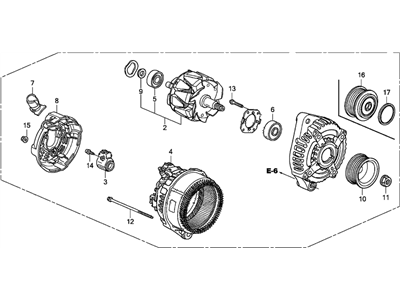
Honda Alternator Assembly (Csf92) (Denso)
Part Number: 31100-RGW-A01$595.88 MSRP: $871.17You Save: $275.29 (32%)Product Specifications- Other Name: Alternator
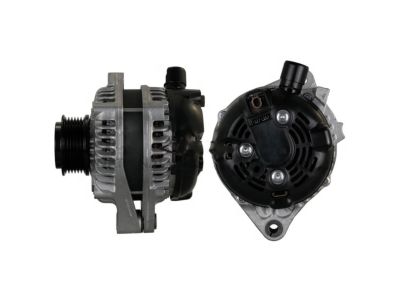
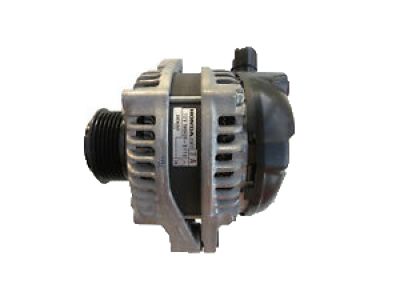
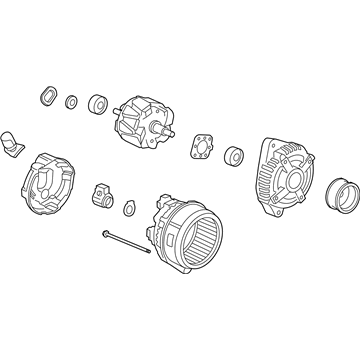
Honda Alternator Assembly (Csk51) (Denso)
Part Number: 31100-5J6-A01$687.31 MSRP: $1004.83You Save: $317.52 (32%)Product Specifications- Other Name: Alternator
- Replaces: 31100-5J6-A51
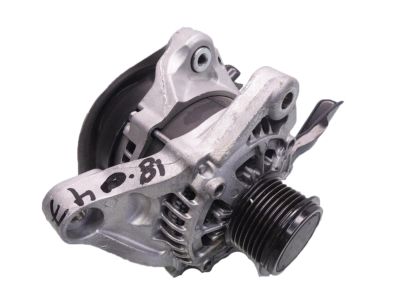
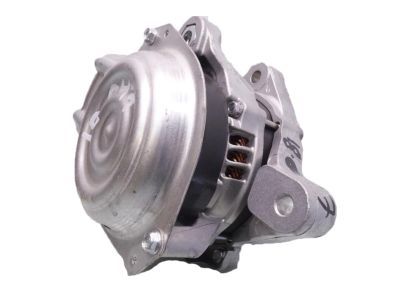
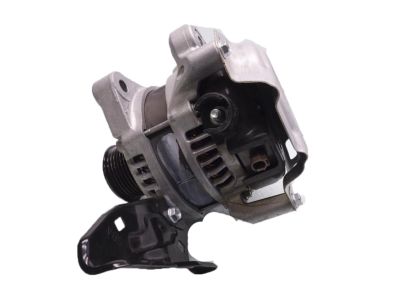
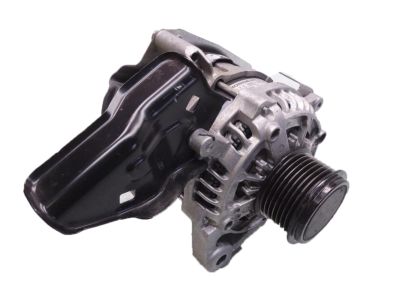
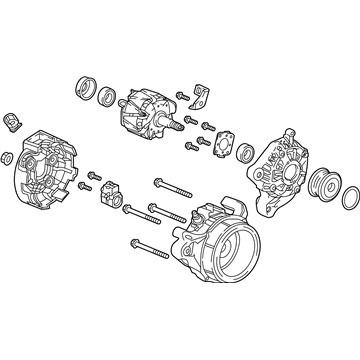
Honda Air Conditioner Generator Assembly
Part Number: 31100-5BA-A01$607.68 MSRP: $888.42You Save: $280.74 (32%)Product Specifications- Other Name: Alternator
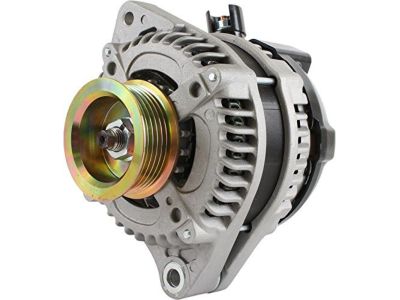
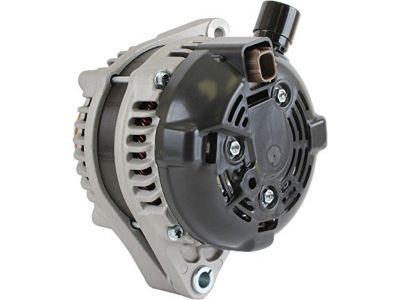
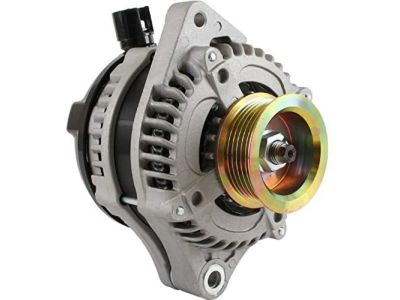
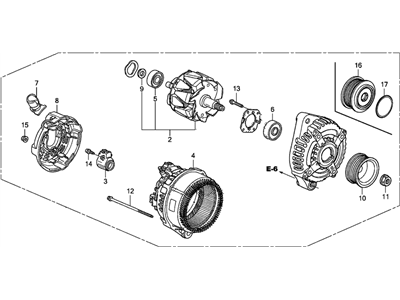
Honda Alternator Assembly (Csf91) (Denso)
Part Number: 31100-R70-A01$546.28 MSRP: $798.65You Save: $252.37 (32%)Product Specifications- Other Name: Alternator
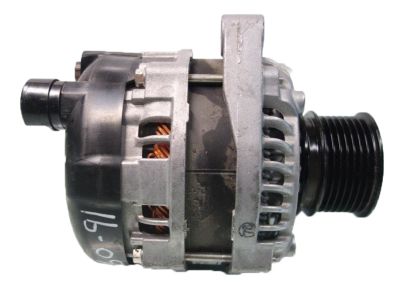
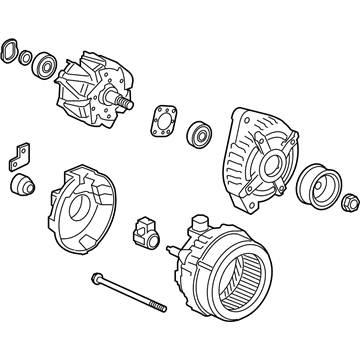
Honda Alternator Assembly (Csf89) (Denso)
Part Number: 31100-R40-A01$547.82 MSRP: $800.90You Save: $253.08 (32%)Product Specifications- Other Name: Alternator
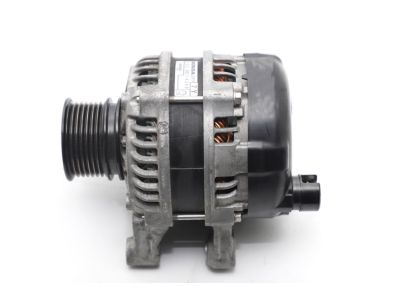
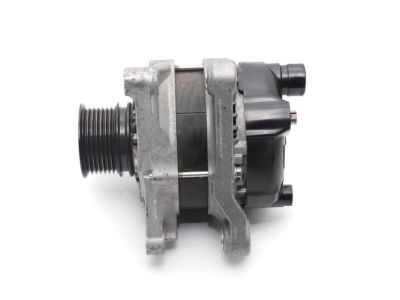
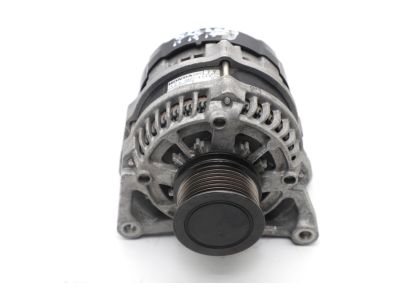
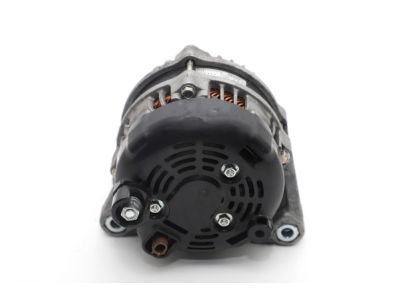
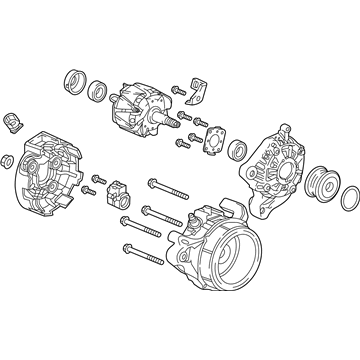
Honda Alternator Assembly (Csr34) (Denso)
Part Number: 31100-5PA-A01$586.31 MSRP: $857.18You Save: $270.87 (32%)Product Specifications- Replaced by: 31100-5PA-A02
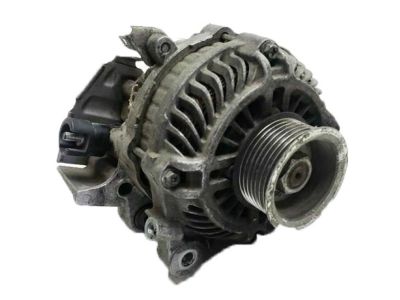
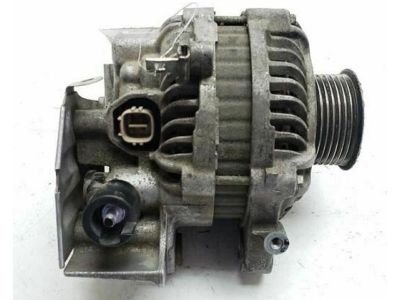
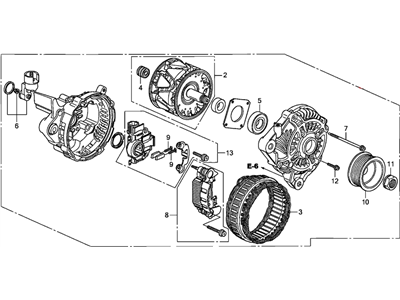
Honda Alternator Assembly (Ahga67) (Mitsubishi)
Part Number: 31100-RNA-A01$637.51 MSRP: $932.03You Save: $294.52 (32%)Product Specifications- Other Name: Alternator
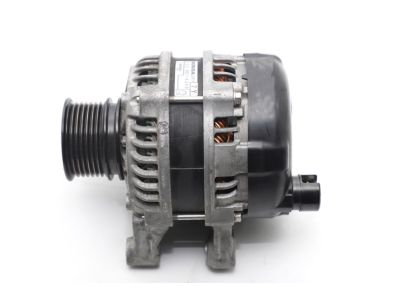
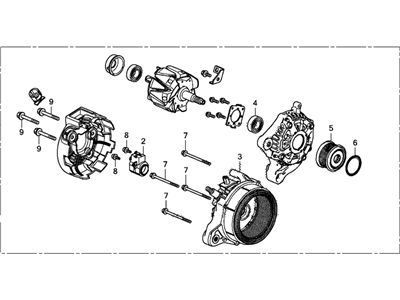
Honda Remanufactured Alternator
Part Number: 31100-5X6-J01RM$366.40 MSRP: $533.37You Save: $166.97 (32%)Product Specifications- Other Name: Alternator
- Replaced by: 06311-5X6-505RM
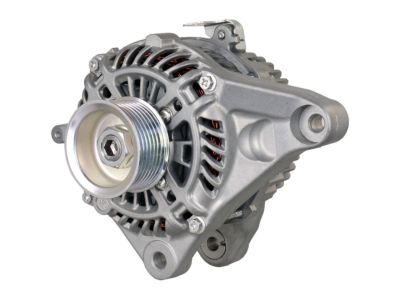
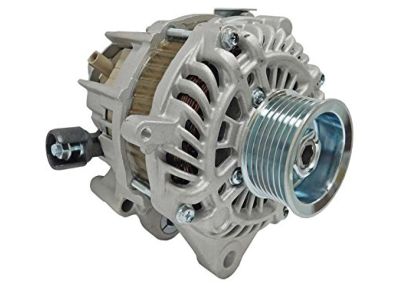
 Product Specifications
- Other Name: Alternator
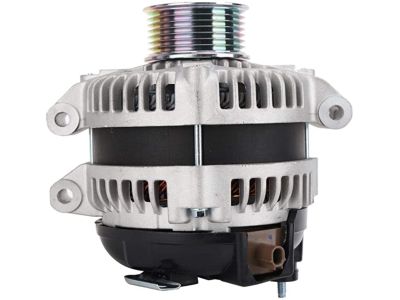
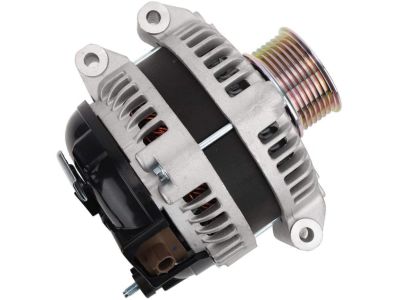
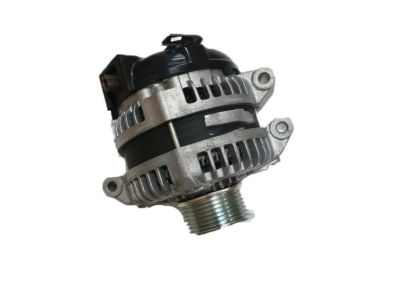
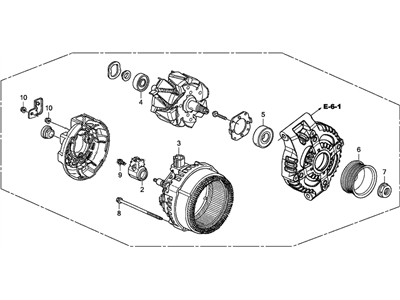
Honda Air Conditioner Generator Assembly
Part Number: 31100-RX0-A01$662.90 MSRP: $969.15You Save: $306.25 (32%)Product Specifications- Other Name: Alternator
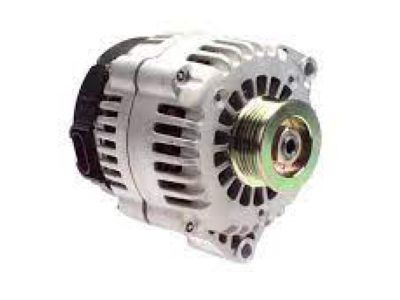
Honda Remanufactured Alternator
Part Number: 06311-RTA-505RM$309.36 MSRP: $449.98You Save: $140.62 (32%)Product Specifications- Other Name: Alternator
- Replaces: 31100-RTA-013RM, 31100-RTA-023RM, 31100-RTA-003RM, 31100-RTA-033RM
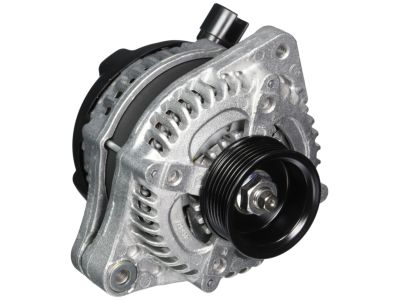
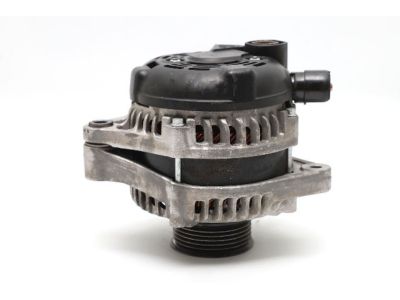
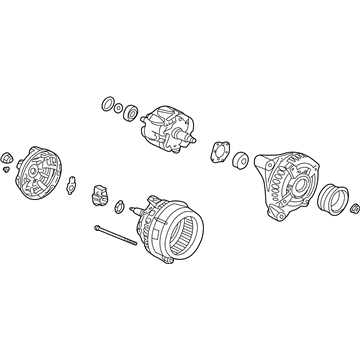
Honda Alternator Assembly (Csd69) (Denso)
Part Number: 31100-RJA-A02$538.10 MSRP: $786.70You Save: $248.60 (32%)Product Specifications- Other Name: Alternator
- Replaces: 31100-RGL-A01, 31100-RDJ-A01, 31100-RJA-A01
| Page 1 of 10 |Next >
1-20 of 197 Results
About Honda Alternator
The function of the alternator is to pass power to make electronics, ignition, and lights work and charge the battery. The location of the alternator is around the front engine, or maybe on the side of the engine compartment. The alternator is too important for your Honda to ignore its flaw. There is a significant sign showing your alternator is failing. When you are driving your Honda at night, the headlight starts pulsating from dim to bright. And some alternators may stop working if they overloaded. Also, when you smell any electrical burning odor or hear a squealing noise form engine, it is a sign showing your alternator goes wrong. Alternators are closely related to your driving safety, and you can only enjoy a ride with a high-performance alternator. All we offer is Honda genuine OEM alternator, coupled with an incredible cheap price, making sure you have a pleasant shopping experience.
Honda Alternator Parts Questions & Experts Answers
- Q:How to detach the Alternator from the Battery on Honda Passport?A:Detach the cable from the negative terminal of the battery. Clearly label and then disconnect the electrical connectors from the alternator. On 2.3L and 2.6L four-cylinder and on 3.1L V6 models, loosen the alternator adjustment bolt(s) and detach the accessory drivebelt from the alternator drive pulley. On 2.2L four-cylinder and 3.2L V6 and engines, loosen the serpentine drivebelt and disengage it from the alternator drive pulley. If you're going to swap the existing alternator unit for a new or rebuilt unit, remove the alternator pulley. On all models except 2.2L four-cylinder models, remove the adjustment and pivot bolts and separate the alternator from its mounting brackets. On 2.2L models, remove the alternator mounting brackets and the lower pivot bolt. Installation is the reverse of removal. After the alternator is installed, adjust the drivebelt tension.
- Q:What precautions should be observed with alternator to avoid damage on Honda Prelude?A:Several precautions must be observed with alternator equipped vehicles to avoid damage to the unit. Always observe proper polarity of the battery connections and use extreme care when jump starting the car, as reversing the battery connections can cause the battery to explode or damage the one-way rectifiers. Remove the battery or, at least, disconnect the cables while charging to prevent alternator damage. Match and consider the polarity of the battery, alternator, and regulator before making any electrical connections within the system. Disconnect the battery ground terminal while repairing or replacing any electrical components. Never use a fast battery charger to jump start a vehicle with a dead battery, attempt to polarize an alternator, or use test lights of more than 12 volts when checking diode continuity. Avoid grounding or shorting out the alternator or regulator terminals, and do not separate the alternator on an open circuit; ensure all connections within the circuit are clean and tight. Refrain from using arc welding equipment on the car with the battery cable, PCM, or alternator connected, and do not operate the alternator with any of its or the battery's lead wires disconnected. Additionally, avoid subjecting the alternator to excessive heat or dampness, such as steam cleaning the engine. When utilizing a booster battery as a starting aid, always connect the positive to positive terminals and the negative terminal from the booster battery to a good engine ground on the vehicle being started.