×
- Hello
- Login or Register
- Quick Links
- Live Chat
- Track Order
- Parts Availability
- RMA
- Help Center
- Contact Us
- Shop for
- Honda Parts
- Honda Accessories

My Garage
My Account
Cart
Genuine Honda Connecting Rod
- Select Vehicle by Model
- Select Vehicle by VIN
Select Vehicle by Model
orMake
Model
Year
Select Vehicle by VIN
For the most accurate results, select vehicle by your VIN (Vehicle Identification Number).
71 Connecting Rods found
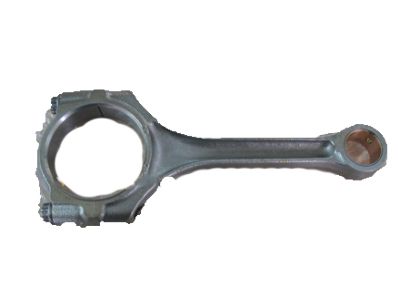
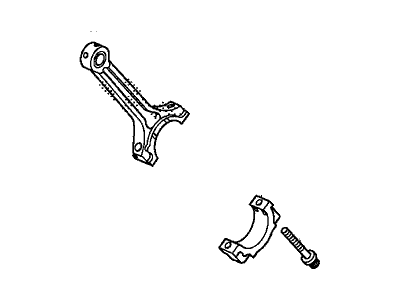
 Product Specifications
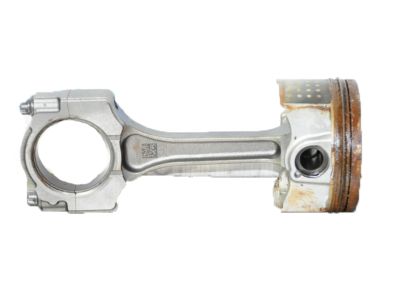
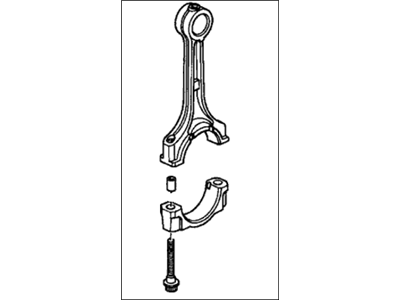
- Replaces: 13210-RV0-A00, 13210-R70-A10
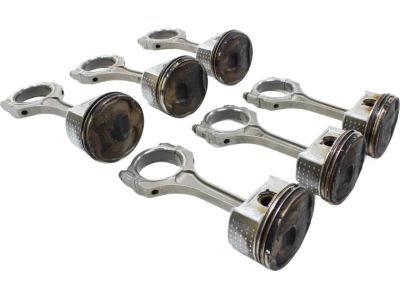
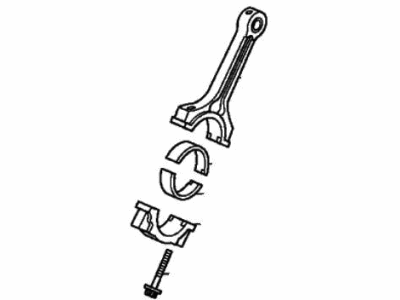
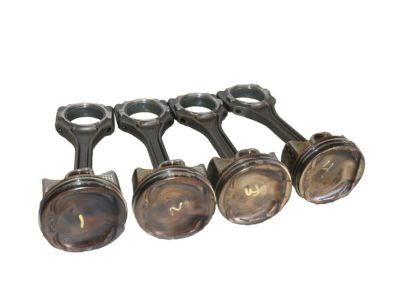
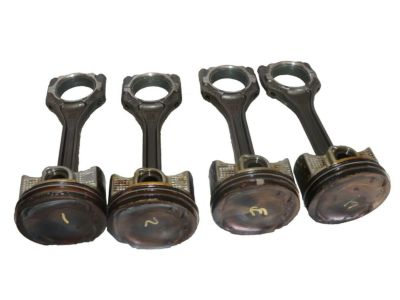
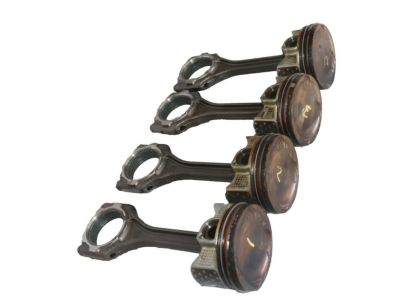
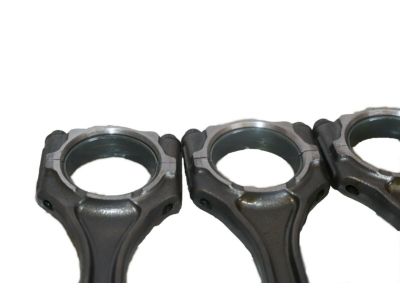
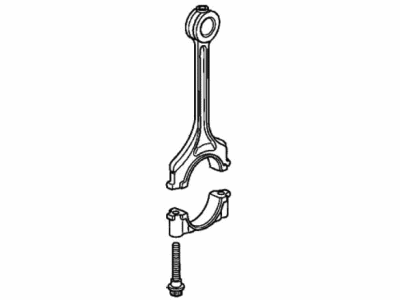
 Product Specifications
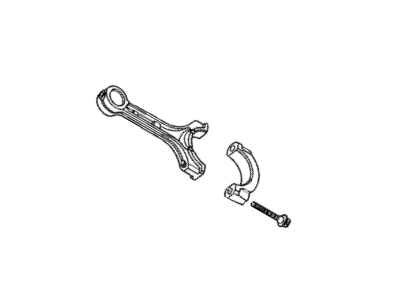
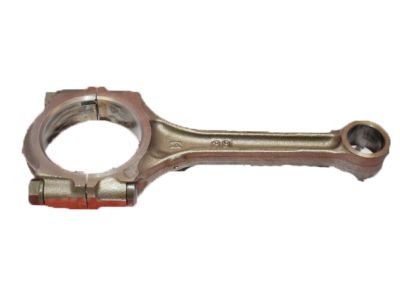
- Other Name: Rod, Connecting; Connecting Rod
- Replaces: 13210-59B-000
 Product Specifications
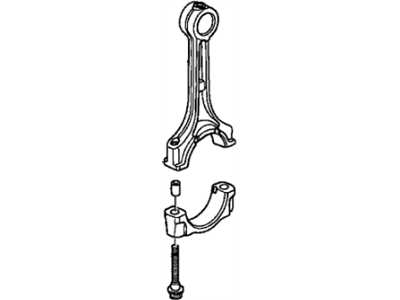
- Other Name: Connecting Rod
- Replaces: 13210-R48-H00
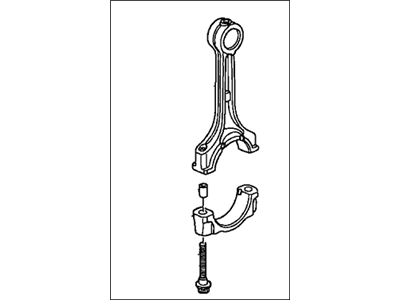
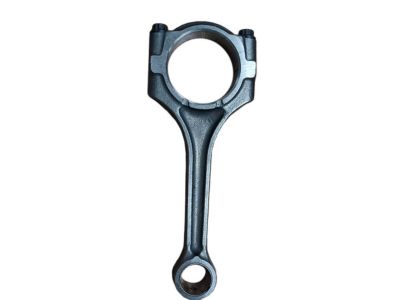
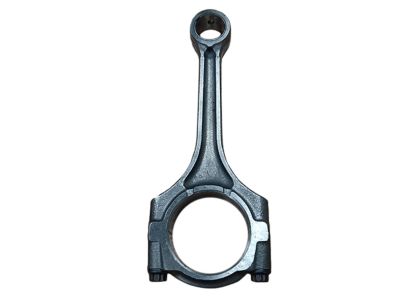
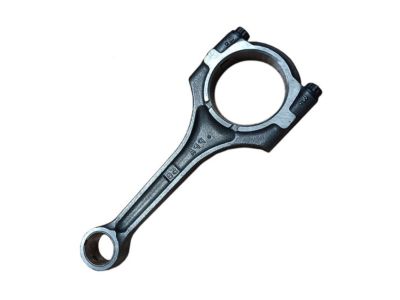
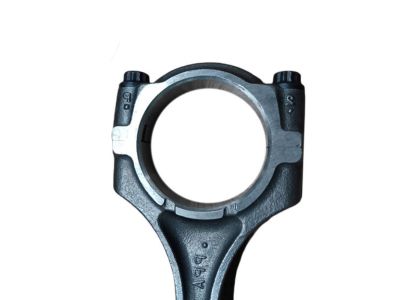
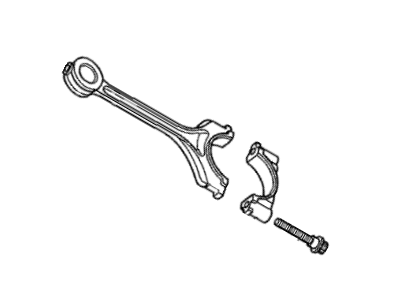
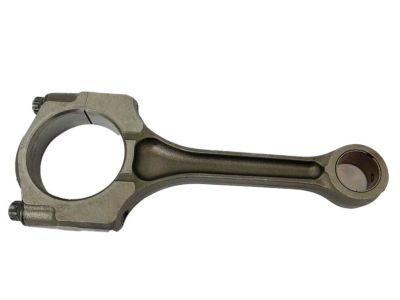
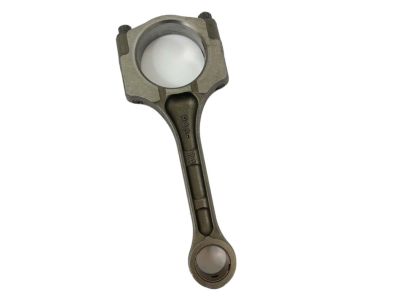
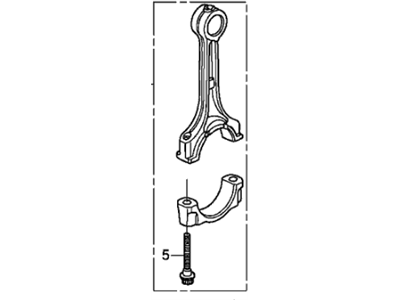
 Product Specifications
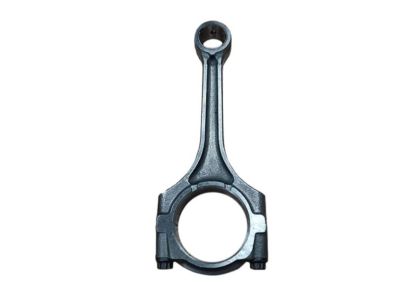
- Replaces: 13210-RLF-S00
 Product Specifications
- Replaces: 13210-PRB-A00
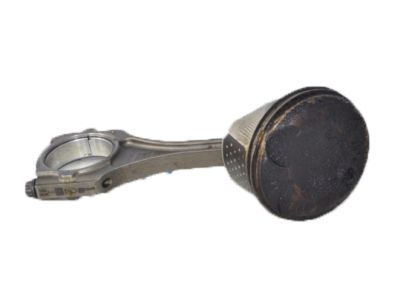
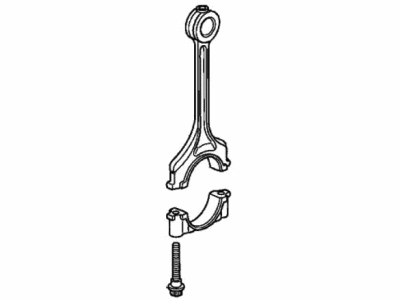
 Product Specifications
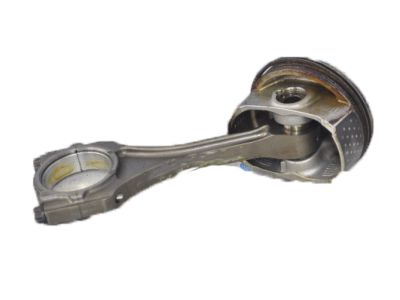
- Other Name: Connecting Rod
- Replaced by: 06131-5BA-A00
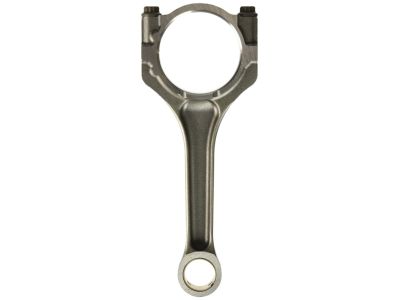
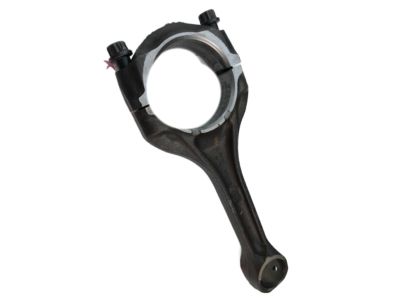
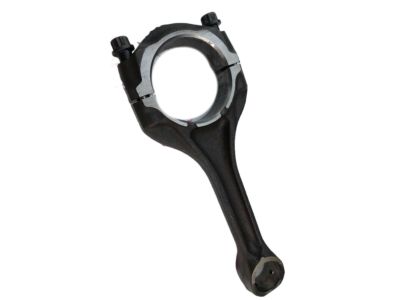
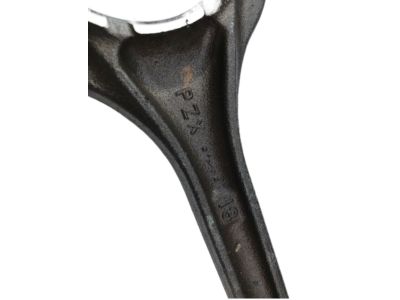
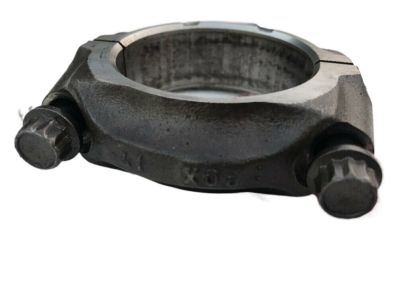
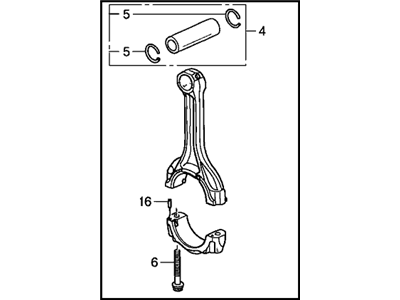
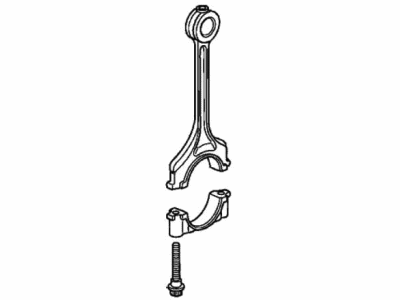
 Product Specifications
- Other Name: Connecting Rod

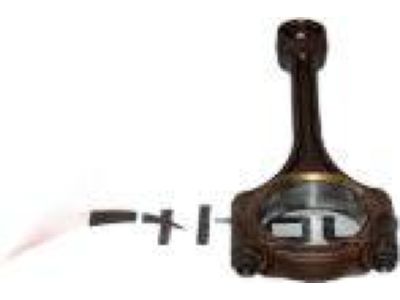
 Product Specifications
- Other Name: Connecting Rod
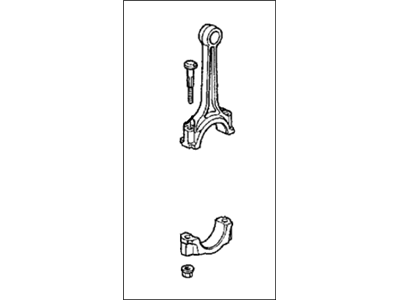
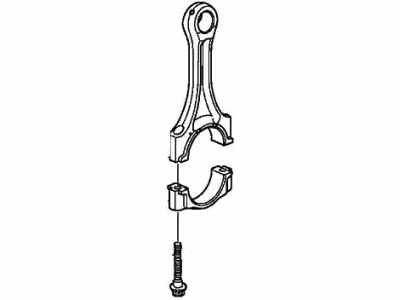
 Product Specifications
- Other Name: Rod, Connecting; Connecting Rod
- Replaces: 13210-RPY-G10
 Product Specifications
- Other Name: Connecting Rod
- Product Specifications
- Other Name: Connecting Rod
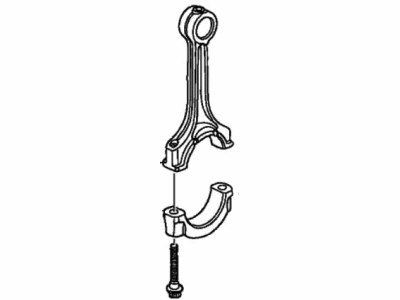
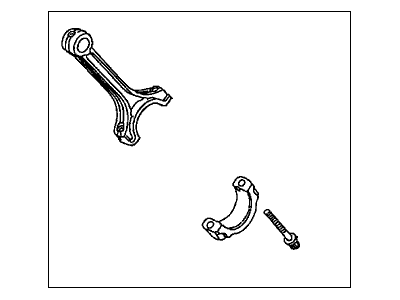
 Product Specifications
- Other Name: Rod, Connecting; Connecting Rod
 Product Specifications
- Other Name: Rod, Connecting
- Replaced by: 13210-RDV-J00
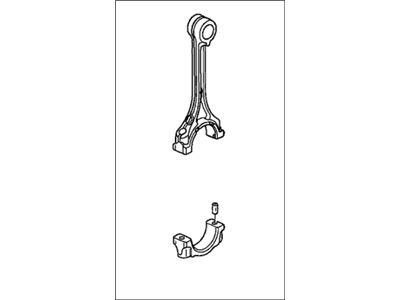
 Product Specifications
- Replaces: 13210-PWA-000
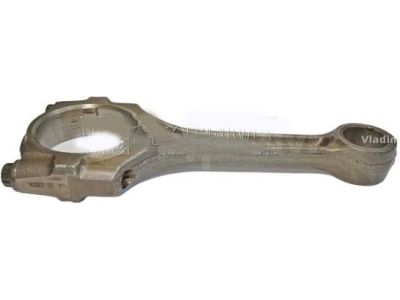
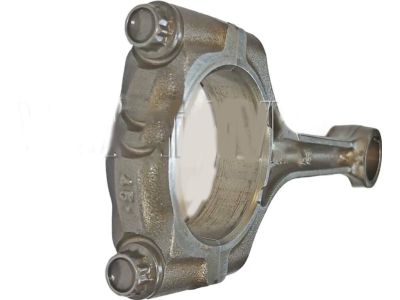
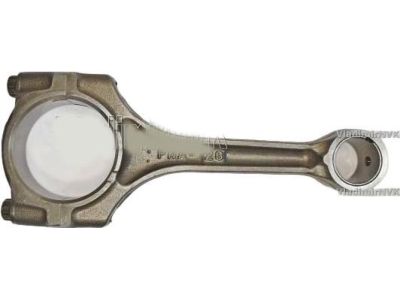
| Page 1 of 4 |Next >
1-20 of 71 Results
Honda Connecting Rod Parts Questions & Experts Answers
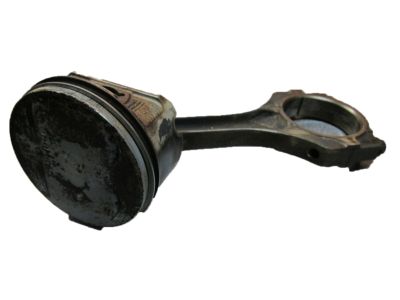
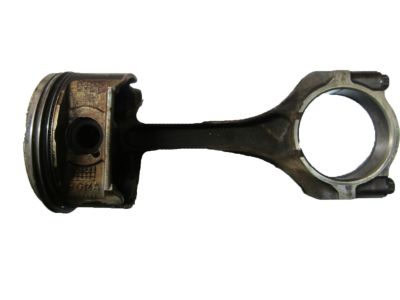
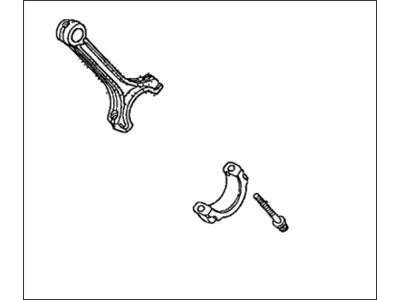
- Q:What steps should be taken before inspecting Connecting Rod and Pistons on Honda Del Sol?A:The piston/connecting rod assemblies must needed to be cleansed, and the initial piston rings have to be taken off from the pistons and additionally new piston rings have to be incorporated at the time of reassembling. A piston ring expander tool is to be used to ease out the rings without scratching the pistons. Carbon deposits have to be removed manually with a wire brush or fine emery paper from the top of the piston down as far as the rings; use of electric wire brush erodes the piston's material. Dirty deposits made of carbon can be wiped out by using a piston ring groove cleaning tool or a fragment of an old piston ring paying attention to possible damaging of the grooves. After that the piston/rod assemblies need to be cleaned with solvent and if possible the piston/rod should be blow dried with compressed air. If the pistons and cylinder walls are not worn out or damaged keen and the engine block is not rebored new pistons may not be necessary as they are usually over sized but new piston rings should always be fit in a rebuild. Every piston should be for signs such as cracks, scoring, scuffing, hoop cracks, holes and burned areas as these suggest that the piston has overheated or there are abnormal combustions and thus a thorough check of the cooling and lubrication systems should be made. Electrolytic (non uniform) corrosion shows up in the form of small pits around the openings which points towards the possibility of coolant leakage and this must be rectified before rebuilding the engine as it may occur again. Side clearance of the piston rings should be done using feeler gauge at several positions on each groove and the right ring should be used for the right groove; in case the clearance is above the prescribed limit, then new pistons will be needed. Piston to bore clearance must be checked by measuring the bore diameter and piston diameter and checking whether they are correctly matched and calculating the clearance by subtracting the piston diameter from the bore diameter; if the results show too much clearance it means that the bore requires rebore and new pistons and rings must be fitted. Piston-to-rod clearance has to be checked by turning the piston and the rod in opposite directions; if there is significant end-play, often felt or seen, some or all of which may be removed at an automotive machine shop. In case pistons require removal from connecting rods they should be taken for assessment for bend and twist to a machine shop. Connecting Rods should be checked for crack and damage by removing the rod cap to clean the bearing surface, looking for nicks or scratches, old bearings should be replaced new ones installed, and caps tightened with finger tightening if rebuilding because of connecting rod knock then new rods should also be fitted.
Related Honda Parts
 Honda Rod Bearing
 Honda Crankshaft Pulley
 Honda Engine
 Honda Timing Chain Guide
 Honda Harmonic Balancer
 Honda Pistons
 Honda Crankshaft
 Honda Crankshaft Thrust Washer Set
 Honda Crankshaft Gear
 Honda Engine Block
 Honda Piston Rings
Browse by Model
Accord Connecting Rod Accord Hybrid Connecting Rod Civic Connecting Rod Civic Hybrid Connecting Rod Clarity Plug-In Hybrid Connecting Rod CR-V Connecting Rod CR-V Hybrid Connecting Rod CR-Z Connecting Rod Crosstour Connecting Rod CRX Connecting Rod Del Sol Connecting Rod Element Connecting Rod Fit Connecting Rod HR-V Connecting Rod Insight Connecting Rod Odyssey Connecting Rod Passport Connecting Rod Pilot Connecting Rod Prelude Connecting Rod Ridgeline Connecting Rod S2000 Connecting Rod